






What's Happening?
Utah Chiropractic & Car Accident, with locations in Draper, Salem, and Murray, is offering massage therapy as a method to support muscle recovery for individuals with active lifestyles. This service aims to address muscle tightness, soreness, and restricted
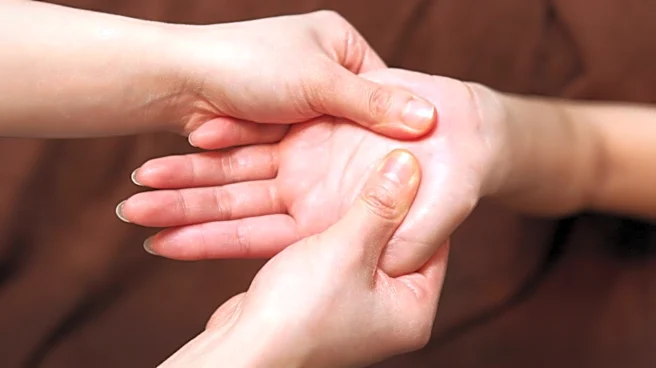
movement that can result from physical activity. The clinic emphasizes that adequate recovery is crucial for the body to adapt to physical stress, and without it, individuals may experience increased soreness, stiffness, fatigue, and reduced flexibility. Massage therapy employs hands-on techniques to reduce muscle tension, promote relaxation, improve flexibility, and support comfortable movement. It is presented as a complementary approach within a broader recovery routine that also includes rest, hydration, nutrition, and appropriate movement. The therapy is beneficial for those experiencing delayed onset muscle soreness (DOMS) after challenging workouts or increased training intensity.
Why It's Important?
The availability of specialized massage therapy for muscle recovery is important for a wide range of active individuals in Utah, from recreational athletes to those with physically demanding jobs. By offering targeted relief for muscle soreness and stiffness, these services can help prevent more serious injuries and improve overall physical well-being. For individuals who regularly engage in activities like weight training, running, cycling, or hiking, consistent muscle recovery is essential for maintaining performance and preventing burnout. The integration of massage therapy with chiropractic care also highlights a holistic approach to musculoskeletal health, addressing both soft tissue and joint mobility. This comprehensive care model can lead to better long-term health outcomes, reduced pain, and enhanced quality of life for those who rely on their physical capabilities.
What's Next?
Individuals experiencing muscle tightness or soreness are encouraged to contact Utah Chiropractic & Car Accident to determine if massage therapy is suitable for their specific needs. The clinic suggests that the ideal timing for massage depends on activity level, goals, and individual body response, recommending sessions after demanding training periods, on recovery days, or when muscles feel unusually tight. The emphasis will continue to be on integrating massage therapy into a broader recovery strategy that includes adequate sleep, hydration, proper nutrition, and gradual increases in training intensity. The clinic also advises seeking professional evaluation for persistent pain or symptoms indicative of an injury, rather than solely relying on massage to push through discomfort.
Beyond the Headlines
The increasing focus on muscle recovery services like massage therapy reflects a broader societal trend towards proactive health management and personalized wellness. As more people engage in active lifestyles, there's a growing recognition of the importance of recovery in preventing injuries and optimizing physical performance. This trend also underscores the evolving role of chiropractic and wellness centers, which are expanding their offerings beyond traditional adjustments to include complementary therapies. The emphasis on listening to one's body and seeking professional evaluation for persistent issues highlights a shift towards more informed and responsible self-care practices, moving away from the 'no pain, no gain' mentality. This holistic approach to physical health can lead to a more resilient and active population, reducing the burden of chronic pain and activity-related injuries.