



What's Happening?
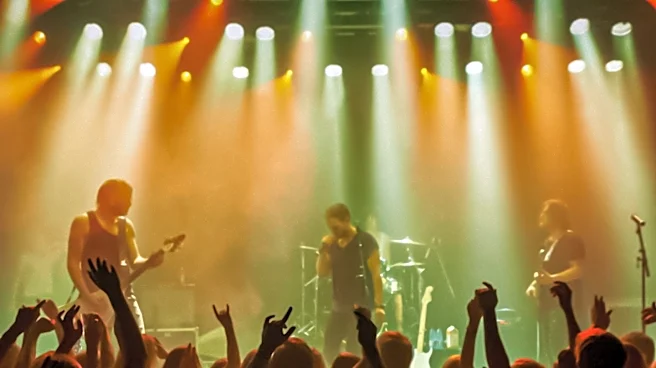
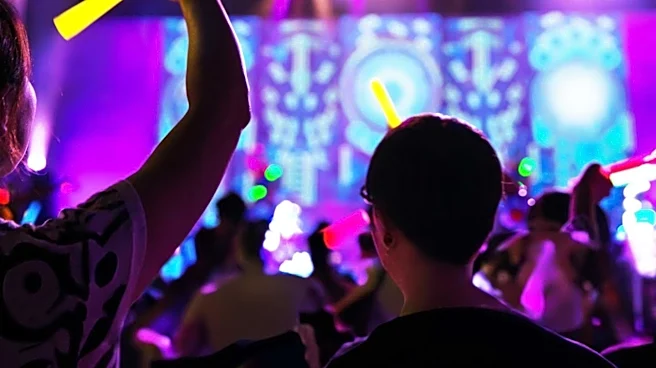
Lighting designer Ed Warren successfully employed Capture software to manage the complex lighting for Four Tet's live performances. The project involved a single spine of light, ranging from 28 to 138 meters in length, and was executed without the benefit
of a production rehearsal. Warren's use of Capture allowed for the seamless transition and adaptation of Four Tet's show across various venues. This approach highlights the efficiency and flexibility offered by advanced lighting design software in demanding live entertainment environments, particularly when faced with logistical constraints such as limited rehearsal time and diverse venue specifications. The software facilitated the intricate programming required for a dynamic and visually impactful stage presence.
Why It's Important?
The application of Capture software by Ed Warren for Four Tet's shows underscores a significant trend in the live entertainment industry: the increasing reliance on sophisticated digital tools for pre-visualization and real-time control of complex stage productions. This shift is crucial for U.S. entertainment companies and production teams, as it enables them to achieve high-quality visual spectacles even under tight schedules and varying venue conditions. The ability to pre-program and adapt lighting designs without extensive on-site rehearsals can lead to substantial cost savings and improved efficiency, benefiting both artists and promoters. Furthermore, it allows for greater creative freedom and consistency in delivering a polished performance across a tour, enhancing the audience experience and solidifying the artist's brand.
What's Next?
The successful implementation of Capture software in high-profile music tours like Four Tet's is likely to encourage broader adoption of similar technologies across the U.S. live entertainment sector. We can anticipate an increased demand for lighting designers proficient in these advanced software platforms and a continued evolution of the software itself, offering even more sophisticated features for real-time adjustments and integration with other production elements. This trend could lead to new training programs for technical crews and designers, further professionalizing the industry. Additionally, the efficiency gained might enable more ambitious and visually stunning productions, pushing the boundaries of live performance aesthetics.
Beyond the Headlines
Beyond the immediate technical benefits, the strategic use of software like Capture by professionals such as Ed Warren reflects a deeper transformation in the creative process of live entertainment. It blurs the lines between technical execution and artistic vision, allowing designers to iterate and refine their concepts in a virtual space before ever stepping onto a physical stage. This digital-first approach can democratize access to high-end production capabilities, potentially enabling smaller acts or independent artists to achieve professional-grade visual presentations. It also raises questions about the future role of on-site improvisation versus pre-planned precision in live shows, and how technology will continue to shape the ephemeral art of performance.