





What's Happening?
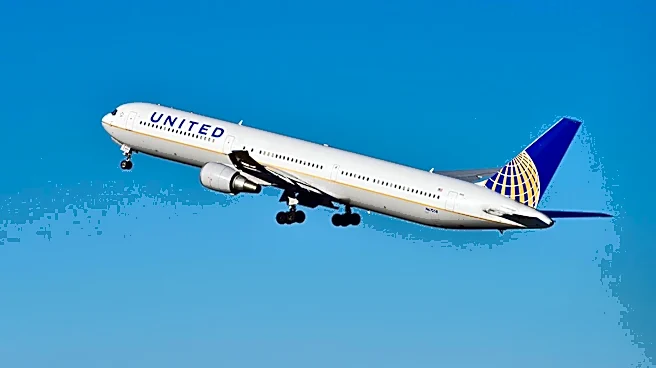
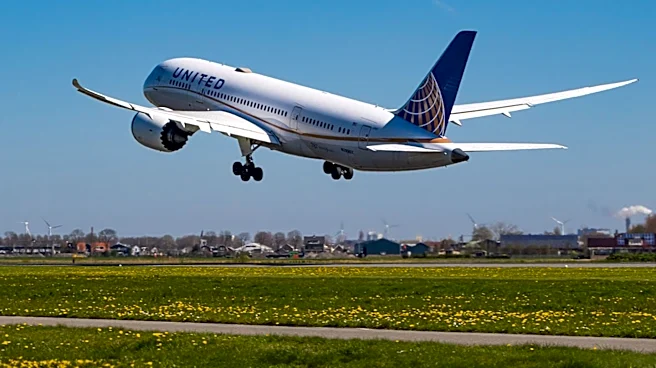
United Airlines is planning a significant return to New York's John F. Kennedy International Airport (JFK) in 2027, nearly five years after ending its previous operations there. The airline aims to establish a strong presence with frequent premium flights
connecting New York to Los Angeles International Airport (LAX) and San Francisco International Airport (SFO). United CEO Scott Kirby has previously described the airline's departure from JFK as a major strategic mistake. The return strategy involves a partnership with JetBlue Airways, which could provide United with access to up to seven daily round-trip flight slots at JFK. United is reportedly targeting a total of 20 daily slot pairs to support its desired level of transcontinental service, indicating a need to acquire additional slots beyond the JetBlue agreement.
Why It's Important?
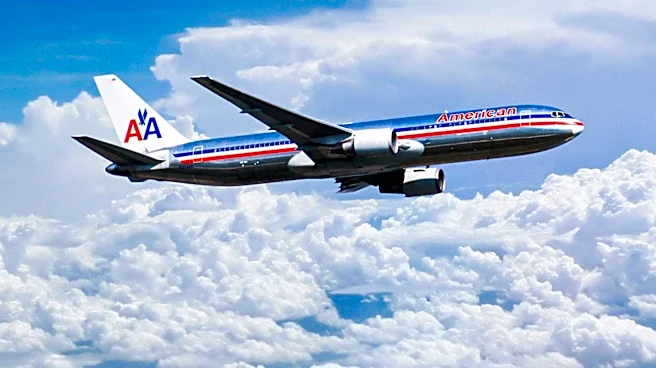
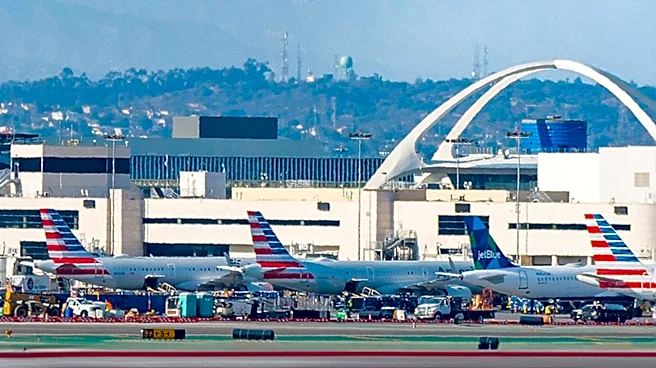
United's re-entry into JFK marks a critical strategic move in the highly competitive U.S. transcontinental market, directly challenging established carriers like American Airlines, Delta Air Lines, and JetBlue. This move could intensify competition for premium passengers and valuable flight slots, potentially leading to fare adjustments and service enhancements across the industry. For United, a successful return to JFK would strengthen its presence in a key East Coast gateway, complementing its existing hub at Newark Liberty International Airport (EWR). However, the airline faces challenges in securing sufficient slots, managing potential demand overlap with Newark, and building customer loyalty in a market where competitors have deep roots. The outcome will significantly impact United's market share and profitability in one of the nation's most lucrative air travel corridors.
What's Next?
United Airlines will focus on finalizing its slot acquisitions at JFK, potentially exploring opportunities to obtain slots from other carriers. The airline will also need to develop a robust operational plan to ensure its JFK services attract new customers rather than cannibalizing traffic from its Newark hub. The success of the JetBlue partnership in providing initial slot access will be crucial. United's Chief Commercial Officer Andrew Nocella has reaffirmed the 2027 return, but the exact number of slots and the final operating schedule are still pending. The airline will also need to invest in competitive ground services and premium facilities at JFK to match or exceed the offerings of rivals like Delta, particularly for business travelers.
Beyond the Headlines
United's decision to return to JFK reflects a broader strategic shift in the airline industry, where access to key metropolitan airports is paramount for capturing high-value business and premium leisure travelers. The move highlights the dynamic nature of airline network planning and the continuous battle for market dominance in critical hubs. The partnership with JetBlue, a former competitor, also underscores evolving alliance strategies in the face of intense competition. This re-entry could reshape the competitive landscape of transcontinental travel, potentially leading to a more concentrated market among the major carriers. The long-term success of United's JFK venture will serve as a case study in strategic market re-entry and the challenges of competing against entrenched incumbents in a slot-constrained environment.