






What's Happening?
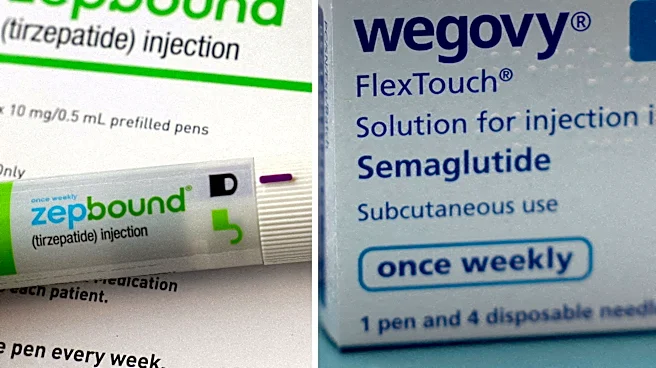
Novo Nordisk A/S has announced encouraging late-stage data from its STEP Young trial for Wegovy (semaglutide) in children aged 6 to under 12. The trial met its primary endpoint, demonstrating that 40.4% of participants were no longer classified as having
obesity after 68 weeks of semaglutide treatment, compared to none in the placebo group. Both groups also followed a reduced-calorie diet and increased physical activity. Notably, over 85% of the participants had severe class II or III obesity at the study's outset. The safety and tolerability profile of Wegovy in this younger population was consistent with previous semaglutide trials conducted in adults and adolescents. This marks the first trial specifically examining Wegovy's effect in young children, potentially opening a new and significant growth opportunity for the drug.
Why It's Important?
These trial results are highly significant for Novo Nordisk and the broader pharmaceutical industry, particularly in the U.S. The success of Wegovy in a younger, severely obese pediatric population could unlock a substantial new market segment, extending the commercial lifespan and revenue potential of one of Novo Nordisk's key drugs. The high response rate in a challenging patient group, coupled with the clear distinction from the placebo group, validates semaglutide's efficacy beyond the adult market. For the U.S. healthcare system, this could provide a much-needed medical intervention for pediatric obesity, a growing public health concern. The existing demand for GLP-1 weight-loss drugs among U.S. children, even without specific approvals for this age group, underscores the clinical need and market readiness for such treatments. This development could also intensify competition in the pediatric obesity market, potentially spurring other pharmaceutical companies to accelerate their research in this area.
What's Next?
While the trial results are promising, regulatory approval will be required before Wegovy can be broadly marketed for children in this age group. Novo Nordisk will likely pursue regulatory submissions based on these findings. The approval process will involve careful scrutiny of long-term safety, growth, and developmental impacts, as well as the duration of therapy required for young patients. If approved, the drug's availability could lead to a significant increase in prescriptions for pediatric obesity, potentially transforming treatment paradigms. However, the ethical considerations surrounding long-term medication use in children for a chronic condition like obesity will also be a subject of ongoing discussion among medical professionals, parents, and policymakers. The commercial success will depend on regulatory decisions, pricing strategies, and market access, including insurance coverage.
Beyond the Headlines
The potential approval of Wegovy for young children raises profound ethical and societal questions about medicalizing childhood obesity. While offering a powerful tool against a serious health issue, it also prompts discussions on the role of pharmaceutical interventions versus lifestyle modifications, the potential for over-reliance on medication, and the long-term implications for children's health and development. There are concerns about the psychological impact of early and prolonged drug use on children, as well as the financial burden on families and healthcare systems. This development could also influence public health strategies, potentially shifting focus towards earlier medical intervention in addition to prevention and lifestyle changes. The debate will likely center on balancing the immediate health benefits of weight loss with the unknown long-term effects and the broader societal approach to childhood health and well-being.