



What's Happening?
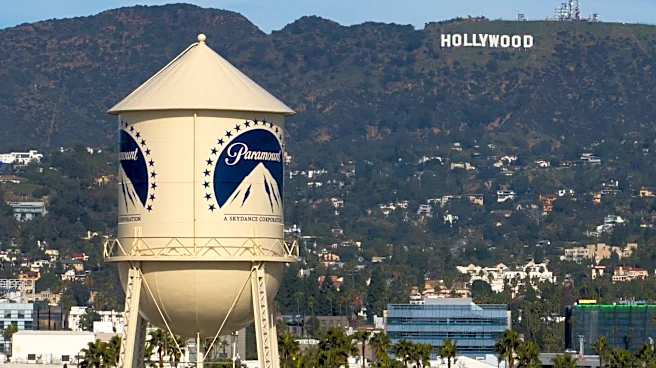
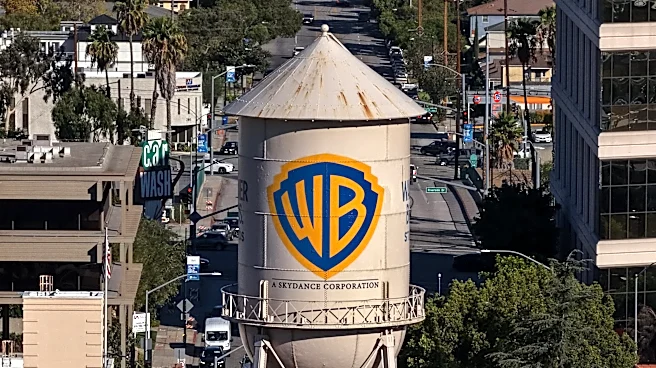
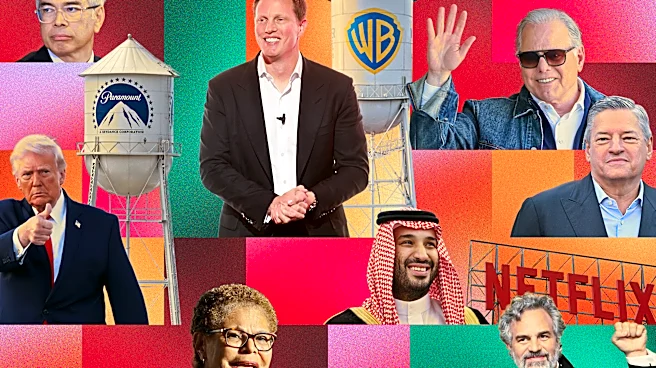
Paramount has finalized its $110 billion acquisition of Warner Bros. Discovery, leading to the creation of a new combined entity named Skydance. This merger, considered one of the largest in history, integrates two major streaming platforms, Paramount+
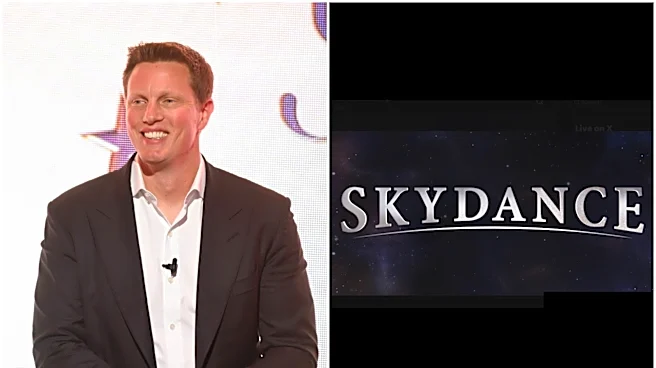
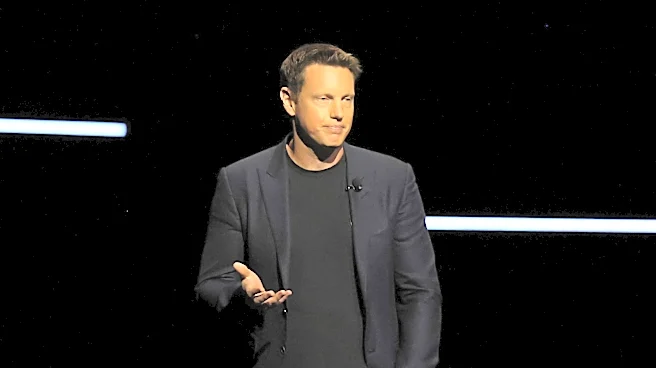
and HBO Max, along with a vast portfolio of networks including CBS, CNN, MTV, TBS, Comedy Central, and Food Network. Skydance will also gain control over significant franchises such as 'The Lord of the Rings,' 'Game of Thrones,' the DC Universe, and 'Yellowstone.' The deal places one of the world's largest entertainment studios under the leadership of David Ellison, who previously merged Skydance Media with Paramount. The completion of this acquisition follows settlements with a coalition of U.S. states and a Hollywood writers' union, which resolved the primary legal obstacles to the merger. Paramount had enhanced its bid by offering shareholders additional cash if the deal did not close by a specific deadline and agreed to cover the breakup fee Warner Bros. would owe Netflix for terminating their prior agreement.
Why It's Important?
This merger is poised to significantly reshape the U.S. entertainment industry, creating a formidable new player with an estimated annual revenue of nearly $70 billion. The consolidation of such extensive content libraries and distribution channels under Skydance will intensify competition within the streaming landscape, potentially impacting subscription models, content production strategies, and consumer choices. For consumers, this could mean a more unified access to a wider range of popular franchises and networks, but also potentially fewer independent streaming options. For the industry, the increased market power of Skydance could lead to further consolidation, affecting smaller production houses and content creators. The deal also highlights the growing influence of figures like David Ellison in Hollywood, backed by the financial resources of the Ellison family, signaling a shift in ownership and strategic direction within major media conglomerates. The trading of Skydance Class B shares on the New York Stock Exchange under the ticker symbol 'SKYD' marks its official entry as a major publicly traded entity.
What's Next?
Following the completion of the merger, Skydance will focus on integrating the vast operations of Paramount and Warner Bros. Discovery. This will involve harmonizing their streaming platforms, Paramount+ and HBO Max, and streamlining content production across their extensive network of channels and franchises. The company's immediate priorities will likely include optimizing content strategies to leverage its combined intellectual property, such as 'The Lord of the Rings' and the DC Universe, to attract and retain subscribers. There will also be a focus on achieving synergies and cost efficiencies from the merger. Stakeholders, including investors, content creators, and competitors, will closely monitor Skydance's strategic decisions regarding content development, distribution, and pricing. The new entity's performance will set a precedent for future large-scale mergers in the entertainment sector, potentially influencing regulatory scrutiny and market dynamics.
Beyond the Headlines
The formation of Skydance through this massive merger carries deeper implications for the cultural landscape and the future of media consumption in the U.S. The consolidation of such a significant portion of popular culture under one umbrella raises questions about content diversity, creative control, and the potential for a more homogenized entertainment offering. As fewer, larger entities control more content, there could be shifts in what types of stories are told and who gets to tell them. The merger also underscores the ongoing battle for dominance in the streaming wars, where scale and a vast content library are increasingly seen as critical for survival. This trend could lead to a future where consumers have fewer, albeit larger, choices for their entertainment, potentially impacting independent creators and niche content. Furthermore, the influence of powerful families like the Ellisons in shaping the media landscape highlights the evolving dynamics of corporate ownership and its impact on artistic and commercial decisions within Hollywood.