







What's Happening?
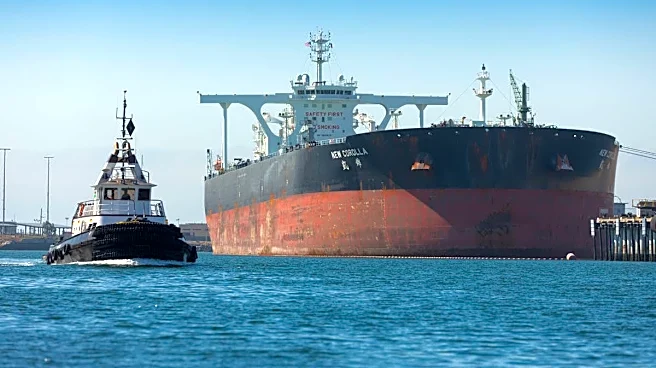
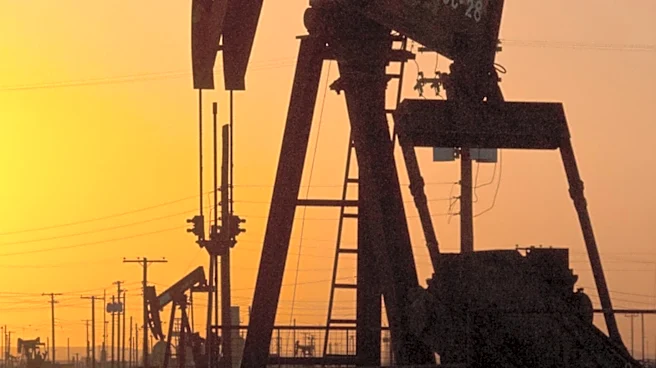
Energy markets are experiencing a shift from crisis pricing towards normalization, although the transition remains uneven. Oil prices have weakened as tanker traffic through the Strait of Hormuz has improved, and Saudi Arabia is preparing to cut oil prices.
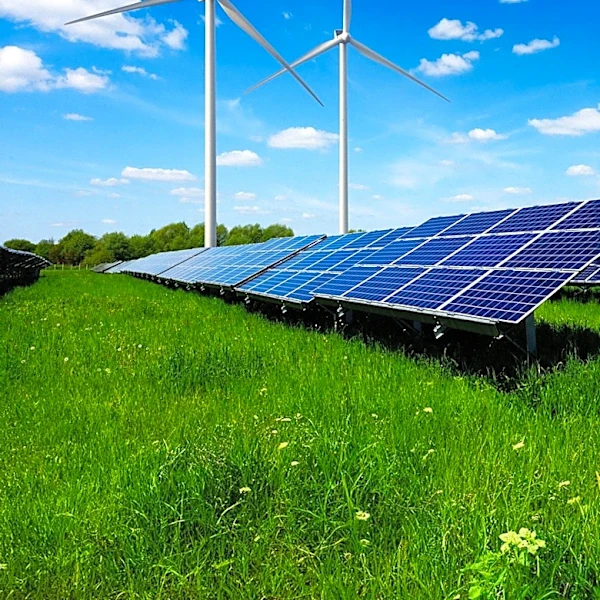
Despite these developments, shipping uncertainties and strategic reserve building continue to pose risks. The market is no longer pricing full disruption but is not fully confident either. Key developments include Chevron's 20-year power agreement with Microsoft, which ties natural gas and power generation to AI infrastructure growth in West Texas. Additionally, ADNOC has brought BP and TotalEnergies into a major Abu Dhabi gas cap project, highlighting a focus on long-life gas assets. Meanwhile, JPMorgan has lowered its Brent crude forecast for the second half of 2026, and the Trump administration is moving to reduce oil and gas drilling costs. Clean energy developers are also rushing projects ahead of tax credit changes that could increase prices.
Why It's Important?
The developments in the energy markets have significant implications for both traditional and clean energy sectors. The shift in oil prices and strategic reserve building reflect a broader trend of energy security concerns, pushing countries to prioritize control over supply. The capital movement towards energy infrastructure supporting AI demand and gas development indicates a growing focus on industrial capacity and technological integration. The policy changes under the Trump administration, aimed at reducing drilling costs, could impact the cost structure of oil and gas operations. Meanwhile, the rush by clean energy developers to secure projects before tax credit changes highlights the ongoing transition towards renewable energy sources. These shifts could affect energy pricing, supply strategies, and the balance between traditional and renewable energy investments.
What's Next?
As energy markets continue to adjust, stakeholders will likely focus on managing supply strategies and navigating policy changes. The potential reopening of Hormuz may ease near-term pressures, but ongoing ship attacks and reserve-building efforts suggest that governments and companies are preparing for possible disruptions. The energy sector will need to balance the integration of AI and technological advancements with traditional energy supply concerns. The outcome of these developments will depend on geopolitical stability, policy decisions, and the pace of technological adoption in energy infrastructure.