




What's Happening?
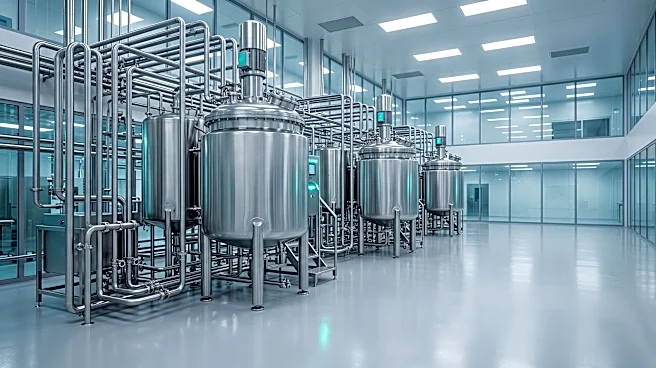
Governor Tony Evers, alongside Wisconsin Economic Development Corporation (WEDC) Secretary and CEO John W. Miller, joined leaders from EMD Electronics to inaugurate a new 38,000-square-foot research and development facility in Sheboygan Falls. This facility is part
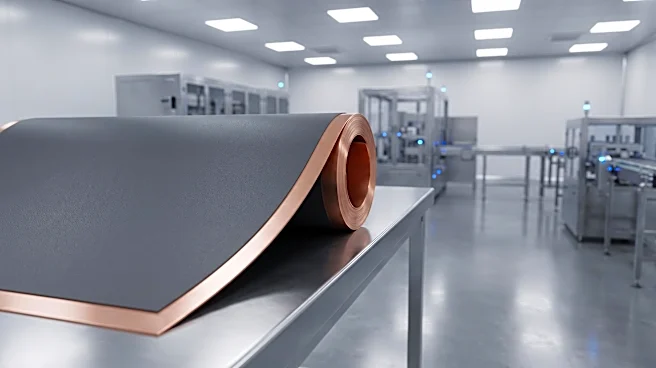
of a substantial multi-year, $200 million investment by EMD Electronics, the North American electronics division of Merck KGaA, Darmstadt, Germany. The investment aims to bolster the company's capacity to develop and scale advanced materials crucial for next-generation semiconductor manufacturing. The project is anticipated to generate 44 new high-paying jobs in the region. Governor Evers emphasized that this initiative contributes to building 21st-century jobs and infrastructure, expanding Wisconsin's manufacturing capabilities, and fostering economic opportunities in Sheboygan Falls and the surrounding areas. The new facility is designed to enhance materials innovation, which is increasingly vital for chip performance and scalability in the semiconductor industry, especially with the growing demands driven by artificial intelligence.
Why It's Important?
This investment by EMD Electronics signifies a critical step in strengthening Wisconsin's role in the advanced manufacturing sector, particularly within the semiconductor industry. The creation of 44 high-paying jobs will provide significant economic benefits to the Sheboygan Falls community and the broader region, offering skilled employment opportunities. The focus on advanced semiconductor materials innovation is crucial for the U.S. economy, as it addresses the increasing complexity and performance requirements of modern electronic devices, including those powered by AI. By expanding research and development capabilities domestically, the project helps reduce reliance on foreign supply chains for essential components, enhancing national economic security and technological independence. Furthermore, WEDC's support through up to $4.5 million in performance-based tax credits underscores the state's commitment to attracting and retaining high-tech industries, positioning Wisconsin as a hub for future technological advancements and skilled labor.
What's Next?
The new facility is expected to accelerate the development of advanced materials for semiconductor manufacturing, allowing EMD Electronics to collaborate more closely with customers and respond rapidly to evolving technological roadmaps. The company plans further investments in Sheboygan Falls, with completion anticipated in 2027, as part of its broader $200 million commitment to its U.S. semiconductor capabilities. This is also part of a larger $1 billion, five-year investment program by EMD Electronics to enhance its innovation and manufacturing footprint across the U.S., including recent expansions in Carlsbad, California, and Catoosa, Oklahoma. The facility's design, aiming for LEED Gold certification and powered by renewable energy sources like geothermal, sets a precedent for sustainable industrial development. Future developments will likely include increased collaboration with academic institutions and other industry players to further solidify Wisconsin's position in the semiconductor ecosystem.
Beyond the Headlines
This development extends beyond immediate job creation and economic stimulus, touching upon broader themes of technological sovereignty and sustainable industrial practices. The emphasis on advanced materials innovation for semiconductors is a strategic move in an era where global competition for technological leadership is intense. By fostering domestic capabilities in this critical sector, the U.S. can mitigate risks associated with geopolitical tensions and supply chain disruptions. The facility's commitment to environmental sustainability, utilizing renewable energy and aiming for LEED Gold certification, highlights a growing trend in industrial development where economic growth is integrated with ecological responsibility. This approach could serve as a model for other manufacturing sectors, demonstrating that advanced industrial expansion can be achieved while reducing environmental impact. The long-term implications include a more resilient and environmentally conscious manufacturing base in the U.S., contributing to both economic prosperity and climate goals.