
What's Happening?
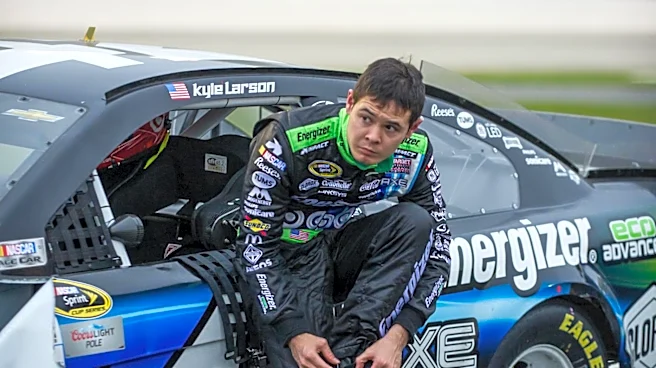
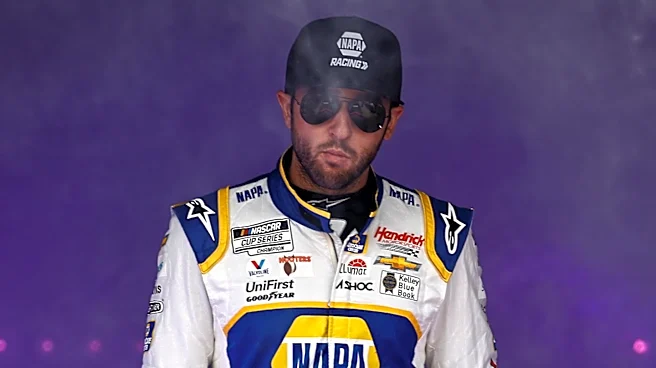
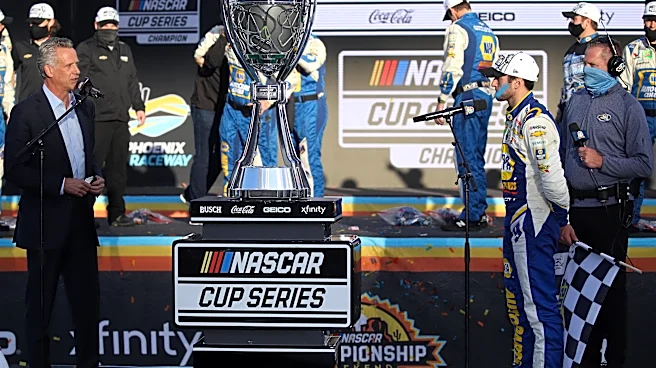
NASCAR driver Chase Elliott, a former Cup Series champion at age 24, is experiencing a significant downturn in his performance, raising concerns within the sport. In the past four years, Elliott has not finished better than seventh in the point standings
and recorded his worst career points finish, fewest top 10 finishes, and worst average running position in a season. Despite a brief resurgence with two wins early in the current season, his performance has again declined. Critics point to a lack of urgency from his team, Hendrick Motorsports, and specifically question the continued tenure of his crew chief, Alan Gustafson. The situation is being described as an 'inexcusable organizational neglect' of a championship-level driver, with comparisons drawn to other sports where underperforming coaches or personnel were replaced. Elliott's struggles are noted to have started during the 2022 playoffs, coinciding with other teams optimizing their setups for the Next Gen car, a development Gustafson reportedly failed to match.
Why It's Important?
This situation is important for several reasons within the U.S. sports landscape, particularly NASCAR. Chase Elliott is recognized as one of the sport's most popular drivers, commanding a vocal fanbase. His sustained underperformance, despite his past success and perceived talent, could impact fan engagement and viewership for Hendrick Motorsports and NASCAR as a whole. The lack of apparent action from Hendrick Motorsports, a prominent and highly valued team at $350 million, challenges conventional wisdom in professional sports where underperforming personnel are typically replaced. This raises questions about team management strategies, accountability, and the potential long-term impact on a driver's career and mental state. If a driver of Elliott's caliber is allowed to languish without significant intervention, it could set a precedent for how driver slumps are handled, potentially affecting the competitive integrity and perceived fairness of the sport.
What's Next?
The immediate future for Chase Elliott and Hendrick Motorsports remains uncertain, with no public indication of changes to the No. 9 team's structure. The ongoing underperformance is likely to intensify scrutiny from media and fans, potentially increasing pressure on team owner Rick Hendrick and Vice Chairman Jeff Gordon to address the situation. If the team continues its current trajectory, it could lead to further decline in Elliott's standings and potentially impact sponsorship deals and team morale. A crew chief change, as suggested by critics, could be a potential next step, though there have been no rumors to that effect. The situation also highlights the need for a clear strategy to help Elliott regain his competitive edge, whether through personnel changes, car adjustments, or other support mechanisms. Without intervention, the 'slow drain of confidence' could continue, affecting Elliott's enjoyment of racing and his long-term career prospects.
Beyond the Headlines
Beyond the immediate performance issues, this situation touches upon deeper ethical and cultural dimensions within professional sports. The perceived 'organizational neglect' of a talented athlete like Chase Elliott raises questions about the responsibility of sports organizations to nurture and protect their assets, both human and financial. It also highlights the psychological toll that sustained underperformance can take on athletes, especially when there's a perceived lack of support or intervention from their team. The comparison to Andrew Luck's early retirement in the NFL due to organizational failures underscores the potential for long-term damage to a player's career and passion for the sport. This scenario could spark broader discussions within NASCAR and other professional leagues about how teams manage slumps, the role of crew chiefs and coaching staff, and the balance between loyalty and the pursuit of competitive excellence. It also brings to light the influence of established figures within a sport and their ability to maintain positions despite underperformance.