






What's Happening?
Recent analyses highlight the impact of climate change on consumer prices in the United States, with rising temperatures and extreme weather events contributing to increased costs for food, insurance, and energy. According to a study published in the journal
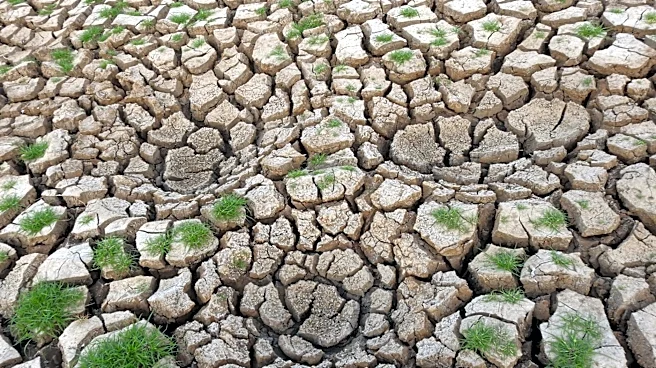
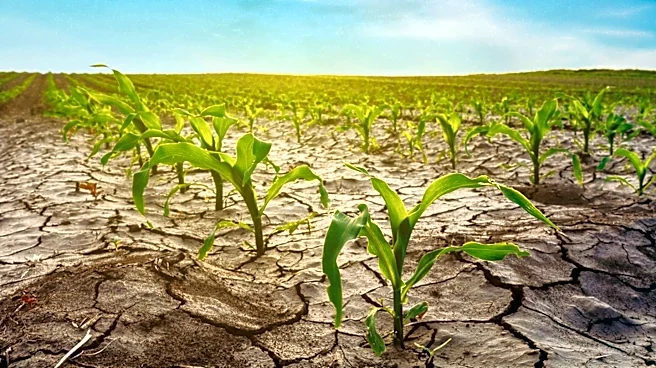
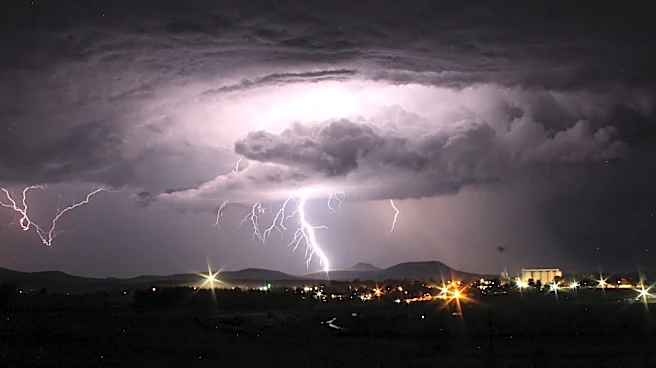
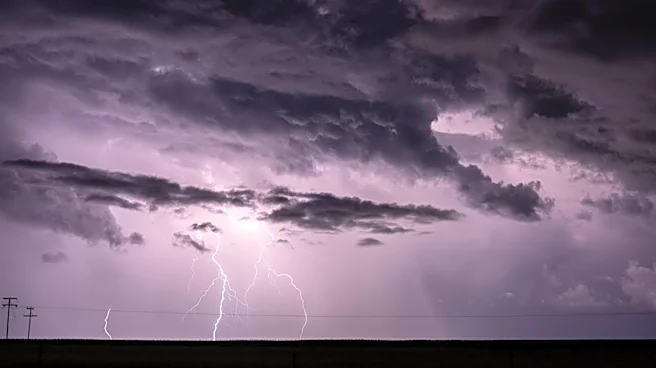
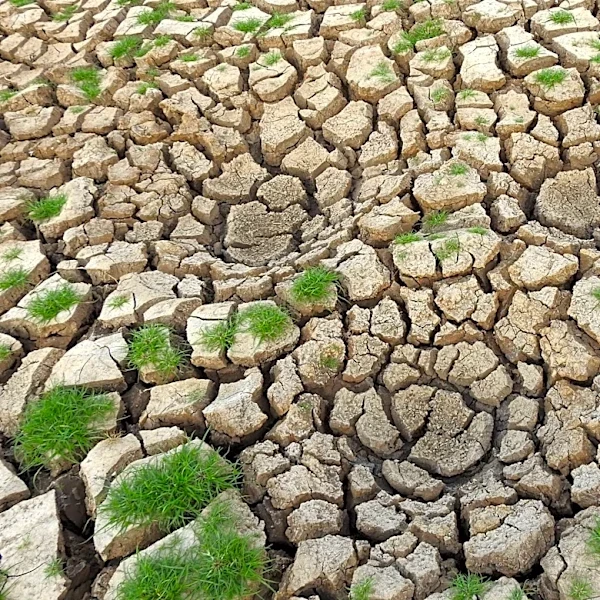
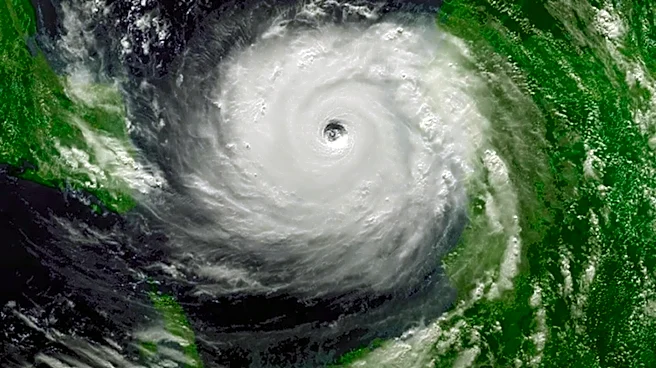
Nature, climate change is not only an environmental issue but also a significant driver of consumer prices. The National Oceanic and Atmospheric Administration (NOAA) reports that climate change affects water supplies, energy systems, transportation, wildlife, agriculture, ecosystems, and human health. These impacts are reflected in higher costs for consumers, as extreme weather events like heat waves, droughts, floods, and storms reduce crop yields and disrupt food supply chains, leading to increased food prices. Additionally, climate-related disasters result in higher insurance premiums and reduced availability in some regions, while rising temperatures increase electricity demand, further driving up energy costs.
Why It's Important?
The economic implications of climate change are profound, affecting various sectors and stakeholders. For consumers, the rising costs of essentials like food, energy, and insurance can strain household budgets, particularly for those in vulnerable economic positions. For businesses, especially in agriculture and insurance, climate change poses operational challenges and financial risks. Insurers face larger payouts due to climate-related disasters, which can lead to higher premiums and reduced coverage availability. The energy sector must invest in additional generation capacity and grid improvements to meet increased demand, potentially leading to higher utility costs for consumers. These developments underscore the need for comprehensive climate policies and adaptation strategies to mitigate economic impacts and ensure resilience against future climate-related challenges.
What's Next?
As climate change continues to influence economic conditions, stakeholders across industries must adapt to the evolving landscape. Policymakers may need to implement measures to support affected industries and consumers, such as subsidies for renewable energy or incentives for climate-resilient infrastructure. Businesses might invest in sustainable practices and technologies to reduce their carbon footprint and enhance resilience. Additionally, increased public awareness and advocacy could drive demand for stronger climate action at local, national, and international levels. The ongoing dialogue around climate change and its economic impacts will likely shape future policy decisions and business strategies.