


What's Happening?
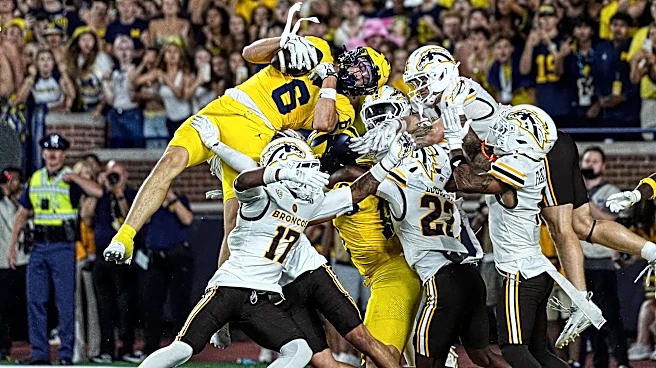
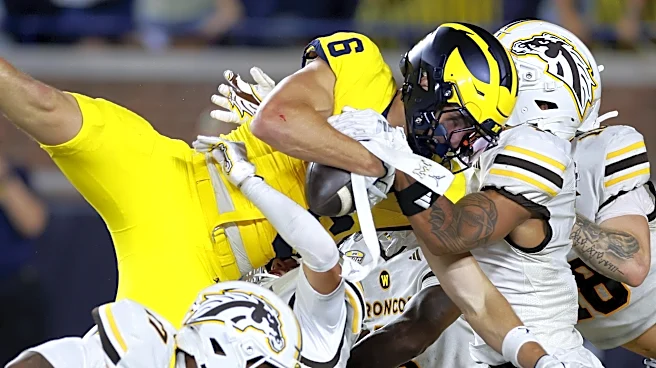
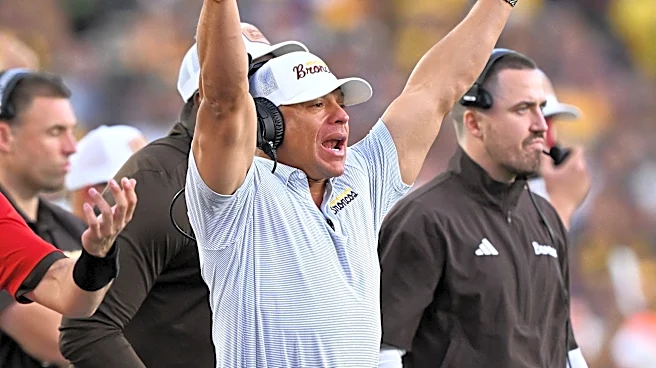
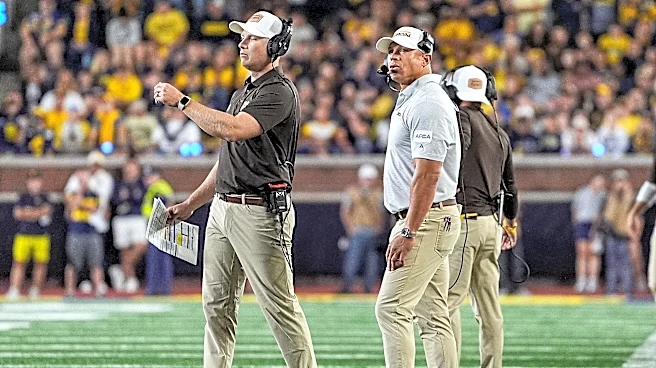
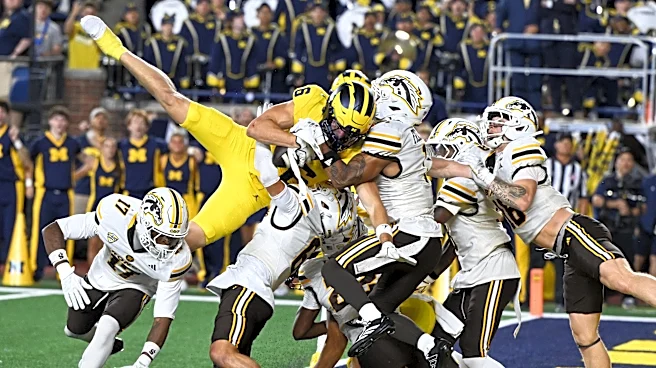
Western Michigan head coach Lance Taylor has addressed the controversial Hail Mary play that led to his team's 13-12 loss against the No. 16 Michigan Wolverines. The game concluded with a Michigan victory after officials reviewed a Hail Mary attempt by
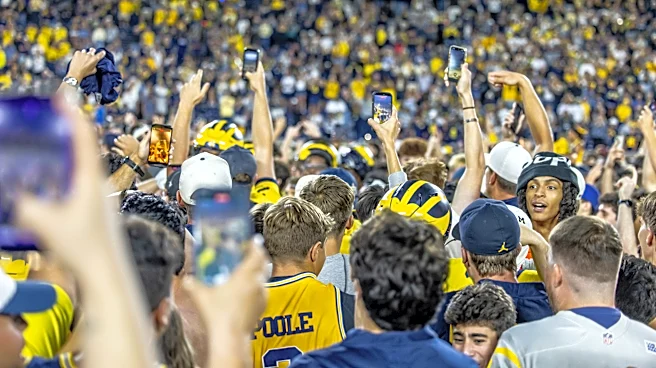
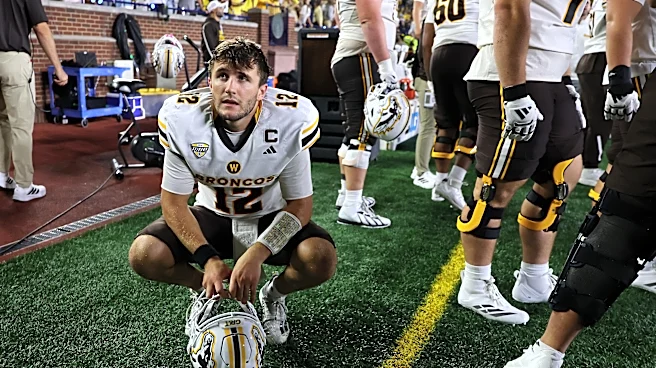
Wolverines quarterback Bryce Underwood. Initially, time appeared to run out, but officials put one second back on the clock, allowing for a second attempt. This subsequent pass was caught by JJ Buchanan in the end zone, securing the win for Michigan. Coach Taylor stated he had not seen the clip but noted that several people mentioned the game was over before the final play. He also indicated that the commissioner had already been contacted regarding the situation. Despite the loss, Taylor acknowledged the crew's handling of multiple close calls and review situations throughout the game. Western Michigan's president, Russ Kavalhuna, and interim athletic director, Elaine Russell, also commented on the incident. The Big Ten conference provided an explanation for the ruling after the game.
Why It's Important?
This incident highlights the significant impact of officiating decisions in high-stakes college football games, particularly when they involve game-deciding plays. The controversy surrounding the timing of the Hail Mary and the decision to restore one second to the clock could lead to increased scrutiny of replay review protocols and their application. For Western Michigan, the loss, despite a strong defensive performance that limited Michigan's offense, is a blow to team morale and their season's start. Conversely, Michigan's narrow victory, albeit controversial, allows them to maintain their ranking and momentum. The involvement of the conference commissioner suggests that the incident may prompt a review of officiating procedures to ensure consistency and accuracy, potentially influencing future game management and the training of officials. This event also underscores the emotional and financial investment in college sports, where a single play can have far-reaching consequences for teams, coaches, and fan bases.
What's Next?
Following Coach Taylor's comments and the involvement of the commissioner, it is likely that the Big Ten conference will conduct a thorough review of the controversial Hail Mary play. This review could lead to clarifications or adjustments in officiating guidelines, particularly concerning end-of-game scenarios and replay procedures. Western Michigan will need to regroup quickly from this disheartening loss as they continue their season, with Coach Taylor focusing on maintaining team morale and performance. The team's strong defensive showing against a ranked opponent, despite the outcome, could be a positive takeaway. For Michigan, the focus will shift to their upcoming games, though the controversy may linger in discussions among fans and media. The incident could also spark broader conversations within college football about the role of technology and human judgment in critical game decisions, potentially influencing future rule changes or technological implementations to aid officiating.
Beyond the Headlines
The controversy surrounding the Michigan-Western Michigan game extends beyond the immediate outcome, touching upon the integrity of sports officiating and the psychological impact on athletes. The perception of fairness in sports is crucial for fan engagement and the credibility of the game. When a game-deciding play is subject to such intense debate, it can erode public trust in the officiating process. For the players, particularly those on Western Michigan, the experience of losing a game under such circumstances can be profoundly demoralizing, potentially affecting their mental resilience and future performance. This incident also highlights the subjective nature of timekeeping in sports, even with advanced technology, and the fine line between a legal play and one that occurs after the clock has expired. The broader implications could include a push for more transparent and immediate explanations of complex officiating decisions to the public, similar to how some professional leagues operate, to maintain confidence in the sport's governance.