





What's Happening?
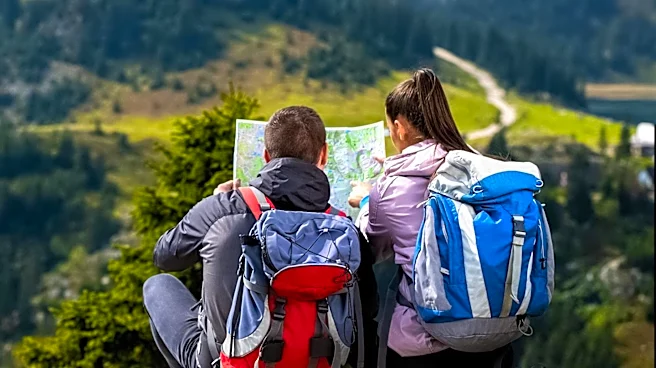
Europe's most popular hiking routes, while iconic, are increasingly suffering from overcrowding, congested viewpoints, and the necessity of booking accommodations far in advance. This has led to a growing interest in alternative, lesser-known destinations
that offer similar scenic beauty and infrastructure without the mass tourism. Examples include Val Maira in the Italian Alps as an alternative to the Dolomites, the Basque Coast instead of the Amalfi Coast, and Andros in Greece as a quieter option compared to Naxos or Santorini. For pilgrims, the Camino Primitivo offers a more tranquil journey than the popular Camino Francés, while El Matarraña in Aragón provides a Spanish alternative to Tuscany's rolling hills. For more challenging treks, La Gomera in the Canary Islands offers dramatic landscapes similar to Madeira, and the Pyrenean GR11 serves as a longer, more demanding alternative to the Tour du Mont Blanc.
Why It's Important?
This shift towards alternative hiking destinations has significant implications for the U.S. travel market and the broader tourism industry. For U.S. travelers, it means access to more authentic and less commercialized European experiences, potentially at a lower cost due to reduced demand in these areas. This trend also supports sustainable tourism by distributing tourist traffic away from overstressed hubs, thereby helping to preserve fragile ecosystems and local cultures. By choosing these quieter spots, travelers contribute to local economies in regions that might otherwise be overlooked, fostering a more equitable distribution of tourism benefits. The emphasis on sustainability and authentic experiences aligns with a growing preference among U.S. consumers for responsible travel, influencing how travel agencies and tour operators curate their offerings.
What's Next?
As awareness of these alternative destinations grows, tour operators and travel agencies are likely to expand their offerings to include more of these less-traveled routes. This could lead to increased marketing efforts highlighting the unique cultural and natural attractions of places like Val Maira, the Basque Coast, and the Camino Primitivo. Travelers should anticipate that while these destinations are currently less crowded, their popularity may increase over time, necessitating earlier bookings for accommodations and guided tours. The focus on sustainability will likely continue, with an emphasis on supporting local businesses and minimizing environmental impact. Additionally, the development of better infrastructure, such as well-maintained trails and local guesthouses, will be crucial for these destinations to accommodate a growing number of visitors while maintaining their authentic charm.
Beyond the Headlines
The movement towards alternative hiking destinations reflects a deeper cultural shift in how people approach travel. It signifies a desire for more meaningful and immersive experiences, moving away from mere sightseeing towards active engagement with landscapes and local communities. This trend also highlights the ethical considerations of tourism, prompting travelers to consider their impact on the places they visit. By choosing less-trodden paths, individuals can contribute to the preservation of cultural heritage and natural environments, fostering a sense of global citizenship. The personal rewards of such journeys often include a greater sense of accomplishment, a deeper connection with nature, and unique cultural insights that are harder to find in heavily touristed areas, ultimately enriching the traveler's perspective and promoting a more conscious approach to leisure.