







What's Happening?
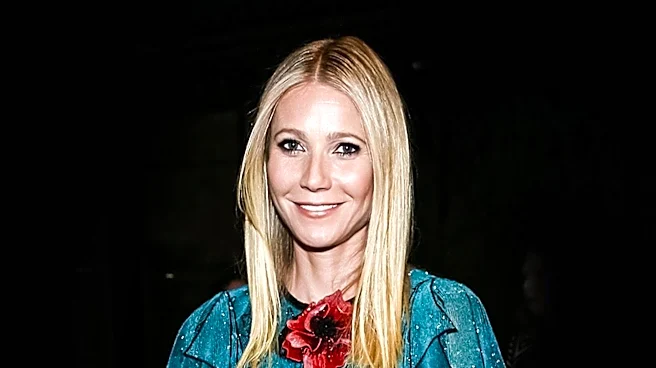
Award-winning actress and wellness entrepreneur Gwyneth Paltrow launched her lifestyle brand Goop in 2008, initially as a weekly newsletter from her home. Goop has since grown, showcasing Paltrow's ability to navigate both the film industry and business
while setting trends. Similarly, supermodel and television mogul Heidi Klum has expanded her influence into fashion ventures. After years of hosting 'Project Runway,' Klum and Tim Gunn launched 'Making The Cut' for Amazon's streaming platform, a fashion competition series offering designers a $1 million prize. These examples illustrate how celebrity women over 50 are leveraging their public personas and business acumen to create and expand successful lifestyle and fashion brands, maintaining relevance and influence in competitive markets.
Why It's Important?
The ventures of Gwyneth Paltrow and Heidi Klum are significant as they demonstrate a powerful trend in celebrity branding: the evolution from entertainment figures to influential lifestyle and business moguls. This shift impacts the U.S. market by creating new consumer categories and driving trends in wellness, fashion, and media. These celebrities leverage their established platforms and fan bases to build lucrative empires, influencing consumer choices and setting new standards for entrepreneurial success in the entertainment industry. Their ability to monetize their personal brands through diverse product lines and media projects highlights the increasing convergence of celebrity, commerce, and lifestyle, offering a model for how public figures can sustain and grow their careers beyond traditional roles.
What's Next?
The continued success of celebrity-led lifestyle brands like Goop and Heidi Klum's fashion ventures suggests a future where personal branding will remain a critical component of celebrity longevity and financial growth. We can anticipate more celebrities, particularly those with established public images, to launch or expand their own lifestyle brands, encompassing various sectors from wellness and beauty to home goods and media. This trend will likely lead to increased competition in these markets, pushing for more innovative and personalized offerings. Furthermore, the integration of these brands with streaming platforms and e-commerce will continue to evolve, creating new avenues for audience engagement and revenue generation. The focus will remain on curating authentic and aspirational experiences that resonate with their target demographics.
Beyond the Headlines
The phenomenon of celebrity lifestyle branding, as exemplified by Paltrow and Klum, delves into deeper cultural and economic implications. It reflects a societal fascination with aspirational living and the perceived authenticity of celebrity endorsements. Ethically, it raises questions about the influence of celebrity on consumer behavior and the blurred lines between personal life and commercial enterprise. Legally, it involves complex intellectual property rights and brand management strategies to protect and expand these empires. Culturally, these brands often shape trends and define what is considered desirable or 'in vogue,' impacting everything from fashion choices to wellness routines. This trend signifies a long-term shift where celebrities are not just entertainers but also powerful cultural arbiters and economic forces, continuously redefining the landscape of consumer culture.