


What's Happening?
The plus-size fashion market is experiencing a concerning trend of store closures, brand discontinuations of extended sizes, and designers exiting the market, despite decades of demands for greater visibility and representation. While consumer advocacy
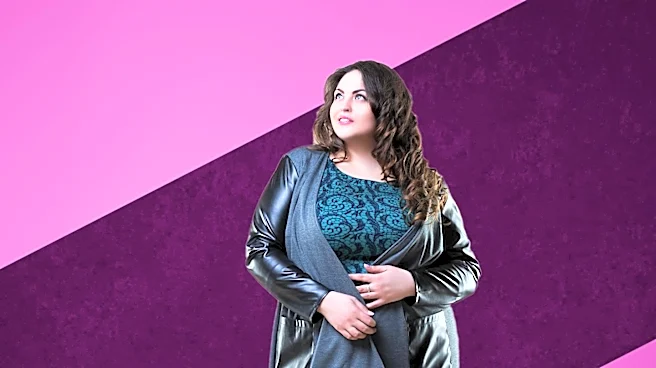
has led to some industry changes, there's a growing concern that the plus-size community is not adequately supporting existing brands. Many small, independent designers, who invest heavily in developing patterns, grading sizes, sourcing fabrics, and manufacturing, are struggling to survive on enthusiasm and compliments alone; they require actual sales. Unlike large corporations, these smaller businesses lack the financial buffer to absorb unsold inventory or unsuccessful investments in new sizes. The article emphasizes that while the plus-size market still has shortcomings, there are numerous brands offering diverse styles, from luxury eveningwear to contemporary sportswear, and that consumers have more choices than often acknowledged.
Why It's Important?
The survival of plus-size fashion brands is crucial for maintaining and expanding choices for plus-size consumers, who have historically been underserved by the fashion industry. The closure of these businesses not only reduces available options but also discourages further investment in this market segment. This situation highlights a critical disconnect between consumer demand for more inclusive fashion and the actual purchasing power directed towards brands that cater to this demand. If independent designers and smaller companies cannot sustain their operations, the market risks reverting to a state of limited, homogenous offerings. This issue also underscores the economic realities of fashion production, particularly for niche markets, where higher costs for specialized patterns, grading, and smaller production runs often translate to higher prices, which consumers may be reluctant to pay, creating a challenging cycle for brands.
What's Next?
To counter the trend of closures, there's a call for increased and more deliberate consumer support for existing plus-size fashion brands. This includes not only making purchases but also recommending designers, sharing admired brands, writing thoughtful reviews, and providing constructive feedback directly to owners. Independent designers are often receptive to customer input, which can help shape future collections and address specific needs like sizing or style preferences. The industry may also see a continued dialogue around pricing, as consumers are encouraged to understand the costs associated with ethical manufacturing, quality fabrics, and thoughtful design in smaller production quantities. The long-term viability of a diverse and robust plus-size fashion market hinges on consumers actively demonstrating a sustainable demand through their purchasing decisions, thereby encouraging brands to continue investing in this segment.
Beyond the Headlines
The challenges faced by plus-size fashion brands reflect broader issues within the fashion industry concerning market segmentation, consumer behavior, and the economics of niche markets. It highlights the tension between the desire for ethical production, quality, and inclusivity, and the consumer's expectation for affordability. This situation also touches upon the power of collective consumer action; while individual purchases may seem small, their cumulative effect can determine the success or failure of brands. Furthermore, it raises questions about the responsibility of consumers to actively foster the market they wish to see, rather than solely relying on brands to meet demands without reciprocal support. The ongoing struggle for plus-size brands also underscores the need for greater industry-wide recognition and investment in diverse body types, moving beyond tokenism to genuinely integrate inclusivity as a core business strategy.