




What's Happening?
Great Falls' downtown revitalization fund is experiencing a substantial decrease in property tax revenue, primarily due to changes in property values. The city of Great Falls has paused some funding programs benefiting the downtown area after observing
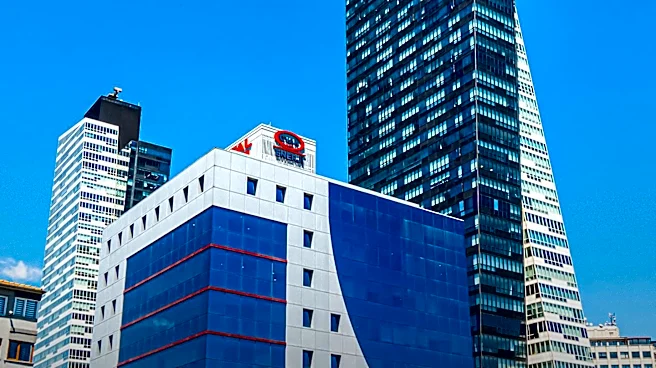
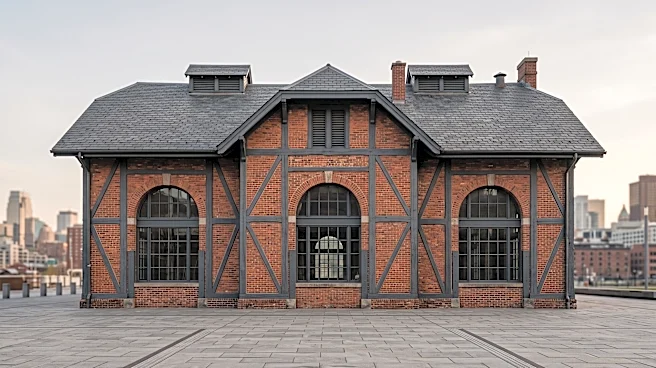
a sharp reduction in taxable values within the district. The value of property contributing to projects supported by the downtown fund dropped from $2.1 million in 2025 to $832,000 in 2026. This decline is largely attributed to NorthWestern Energy's acquisition of Energy West last year, which included a historic train depot building that previously contributed millions to the downtown tax rolls. Following the acquisition, the state's valuation method for this centrally assessed property changed, causing its value to decrease from $1.5 million to $213,000. This shift has prompted city officials to re-evaluate the financial outlook for downtown revitalization efforts.
Why It's Important?
The significant reduction in the downtown revitalization fund's revenue poses a challenge to ongoing and future development projects in Great Falls. The fund, which captures growth in tax revenue and reinvests it into the district, is crucial for upgrades addressing safety, environmental issues, and building facade improvements. While the fund currently has a nearly $6 million balance and can meet existing obligations, the decreased annual intake means less money will be available for new projects. This could slow the pace of downtown development, impacting local businesses, property owners, and the overall economic vitality of the area. The situation also highlights the complex nature of property valuation for centrally assessed properties, where changes in ownership or valuation methods can have substantial ripple effects on local tax revenues and public funding initiatives.
What's Next?
The city of Great Falls will need to assess the long-term implications of this reduced revenue stream for its downtown revitalization efforts. Strategic Development Officer Brock Cherry indicated that the city is entering a 'new era' where the downtown Tax Increment Finance (TIF) district will likely generate less than the accustomed $2 million in taxable increment revenue annually. This will necessitate a re-evaluation of funding priorities and potentially the scope of future projects. The Business Improvement District, which relies on special assessments on downtown properties and TIF funds for its operational budget and events like ArtsFest, will also be affected, with an estimated reduction of $26,000 in assessment revenue. City officials and stakeholders will need to explore alternative funding mechanisms or adjust expectations for downtown development in light of these financial changes.
Beyond the Headlines
This situation in Great Falls underscores a broader vulnerability in municipal funding that relies on specific property valuations, particularly those involving large, centrally assessed entities. The complex valuation process for properties like utility infrastructure, which span multiple jurisdictions, can lead to unpredictable swings in local tax revenues. This case reveals how corporate acquisitions and subsequent changes in valuation methodologies, even if technically correct, can inadvertently destabilize local economic development initiatives. It raises questions about the need for more robust and diversified funding models for urban revitalization, as well as greater transparency and predictability in state-level property valuation processes that impact local governments. The reliance on a single large property's valuation for a significant portion of a revitalization fund highlights a potential systemic risk for other communities with similar economic structures.