








What's Happening?
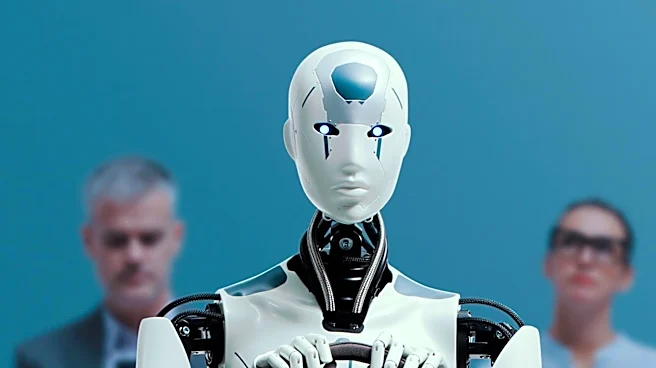
A group of 26 Meta employees has filed a lawsuit against the company, alleging that its use of artificial intelligence (AI) systems to determine layoffs disproportionately affected workers on medical, parental, or family leave. The lawsuit claims that Meta's
AI-driven performance evaluations did not account for protected leave, leading to a 'disparate impact' on those who took such leave. The employees argue that the layoffs violated several state and federal laws, including the Family and Medical Leave Act and the Americans with Disabilities Act. Meta has denied the allegations, stating that workforce decisions were made by people, not AI.
Why It's Important?
The lawsuit highlights the growing concerns about the use of AI in employment decisions and its potential to perpetuate discrimination. As companies increasingly rely on AI for workforce management, there is a risk that these systems may inadvertently disadvantage certain groups, such as those taking legally protected leave. The case against Meta underscores the need for transparency and accountability in AI-driven decision-making processes. It also raises questions about the adequacy of existing legal frameworks to address the challenges posed by AI in the workplace.
What's Next?
The lawsuit is likely to proceed through the courts, with potential implications for how AI is used in employment decisions. If successful, the case could lead to stricter regulations and guidelines for AI-driven workforce management, ensuring that such systems do not violate anti-discrimination laws. Companies may need to reassess their use of AI in human resources to avoid similar legal challenges. The outcome of the case could also influence public policy discussions on the ethical use of AI in the workplace.
Beyond the Headlines
The case against Meta reflects broader societal concerns about the impact of AI on employment and workers' rights. It highlights the need for a careful balance between technological innovation and the protection of employee rights. As AI continues to transform the workplace, there is a growing need for ethical guidelines and regulatory oversight to ensure that these technologies are used responsibly and do not exacerbate existing inequalities.