


What's Happening?
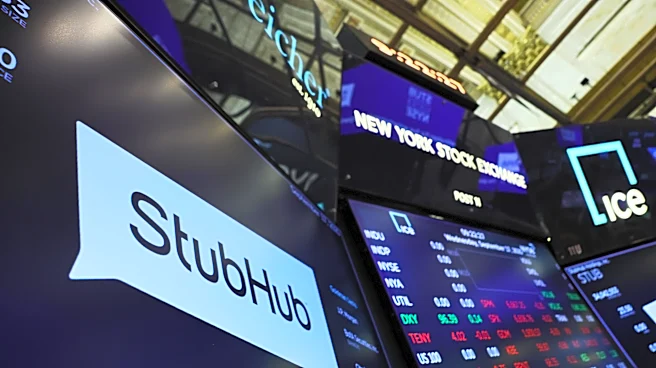
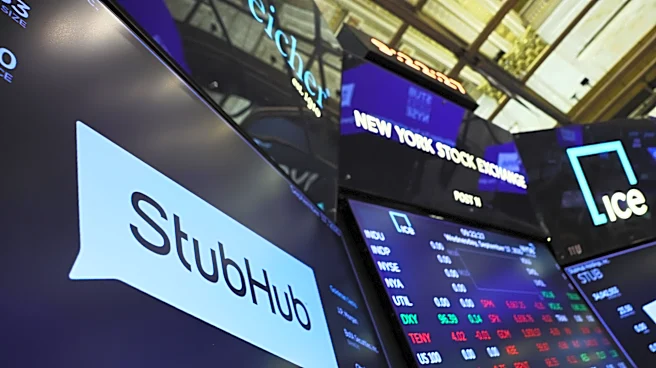
OKX and Intercontinental Exchange (ICE), owner of the New York Stock Exchange, have launched a new venue for 24/7 trading of tokenized U.S. stocks. Starting Monday, November 23, eligible U.S. customers can trade shares of six companies—Coinbase, Robinhood,
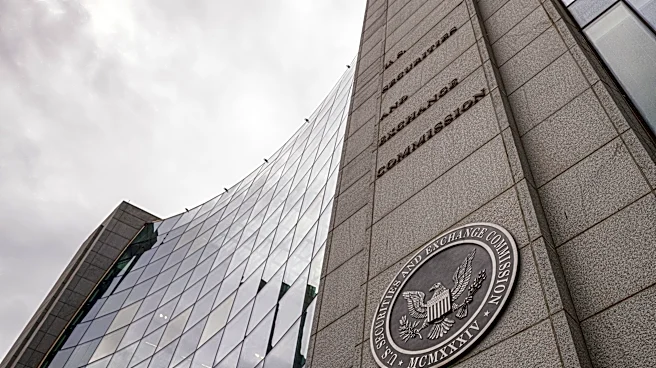
Strategy (Class A common shares), BitGo, Circle, and Securitize—against the USDC stablecoin through the OKX app. The OKXICE Tokenized Securities Venue (TSV) utilizes Uniswap v4 liquidity pools on X Layer, OKX’s Ethereum layer-2 network. Approved liquidity providers deposit both tokenized stock and USDC into a pool, earning a share of trading fees. The venue operates under the U.S. Securities and Exchange Commission’s (SEC) temporary Innovation Exemption, which allows issuers to object to the tokenization of their stock by an unaffiliated third party. Apple, Microsoft, and Nvidia were among the companies that lodged objections with OKXICE. OKXICE has confirmed a phased rollout of 113 assets, including exchange-traded funds, following an initial proposal of 62 companies, 56 of which objected.
Why It's Important?
This initiative marks a significant step towards 24/7 capital markets for U.S. securities, potentially altering traditional trading hours and market dynamics. The ability to trade U.S. stocks around the clock could offer investors greater flexibility and immediate access to market movements, especially in response to global events that occur outside standard U.S. trading hours. However, it also introduces new considerations, such as how companies will release market-sensitive news when their shares are continuously traded. The use of tokenized securities and blockchain technology (Ethereum layer-2 network) represents an integration of traditional finance with decentralized finance (DeFi) principles, potentially setting a precedent for future market structures. The SEC's Innovation Exemption framework is crucial, as it allows for such novel trading mechanisms while providing a regulatory oversight mechanism, including the right for issuers to object, highlighting the ongoing tension and collaboration between innovation and regulation in financial markets.
What's Next?
The OKXICE TSV plans a phased rollout of 113 assets, including exchange-traded funds, indicating a gradual expansion beyond the initial six stocks. The success and adoption of this 24/7 trading model will likely influence future regulatory decisions and the willingness of other financial institutions to explore similar tokenized offerings. The SEC's temporary Innovation Exemption will be critical in shaping the regulatory landscape for tokenized securities. The market will observe how liquidity providers manage their capital and how price discovery occurs in a continuous trading environment, especially concerning potential price divergences from underlying share prices outside regular exchange hours. The reactions of companies whose stocks are tokenized, particularly those that initially objected, will also be a key factor in the broader acceptance and growth of this new trading paradigm.
Beyond the Headlines
The launch of 24/7 tokenized stock trading raises fundamental questions about market efficiency, investor protection, and the future of traditional stock exchanges. The continuous trading model could lead to increased market volatility or, conversely, more efficient price discovery by incorporating real-time global information. The reliance on Uniswap v4 liquidity pools and the X Layer network signifies a growing convergence of blockchain technology with mainstream financial markets, potentially democratizing access to U.S. equities for a wider range of investors. Ethical considerations arise regarding the implications for corporate governance and information dissemination in a 24/7 trading environment. The SEC's Innovation Exemption, while facilitating innovation, also underscores the regulatory challenges in adapting existing frameworks to new technological paradigms, particularly concerning investor safeguards and market integrity in a decentralized and always-on trading ecosystem.