






What's Happening?
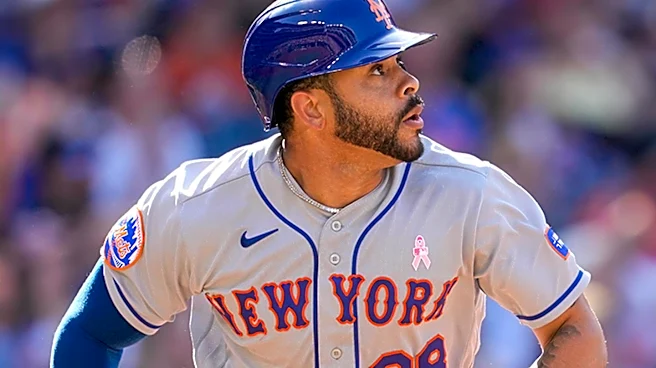
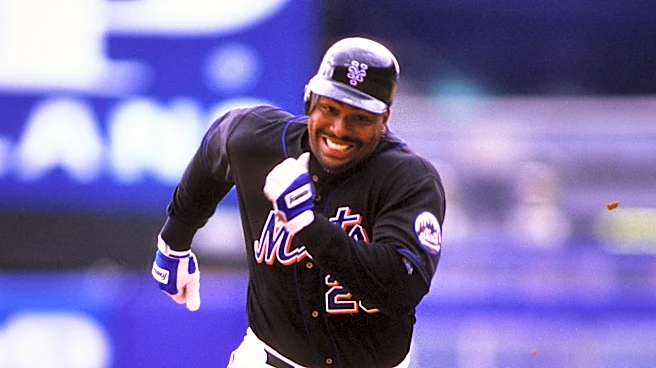
The New York Mets have made their annual payment of $1.19 million to former player Bobby Bonilla, marking the 16th year of this financial arrangement. The payment is part of a deferred compensation agreement made in 2000, which spreads the remaining $5.9
million of Bonilla's contract over 25 years with interest. This deal, made during a period when the Mets were involved in a financial scheme with Bernie Madoff, has become a notable example of unusual sports contracts.
Why It's Important?
The annual payment to Bobby Bonilla highlights the long-term financial implications of deferred compensation agreements in sports. For the Mets, this deal is a reminder of past financial missteps and the impact of the Madoff scandal. It serves as a cautionary tale for sports teams considering similar financial arrangements. The situation has also become a cultural phenomenon, with 'Bobby Bonilla Day' being recognized by fans and media, reflecting on the intersection of sports, finance, and popular culture.
Beyond the Headlines
The Bonilla contract underscores the complexities of financial management in professional sports. It raises questions about the sustainability of deferred payments and the risks associated with financial speculation. The deal also illustrates how sports contracts can become part of broader cultural narratives, influencing public perception and team identity. As the Mets continue to honor this agreement, it serves as a reminder of the importance of prudent financial planning and the potential long-term consequences of financial decisions.