





What's Happening?
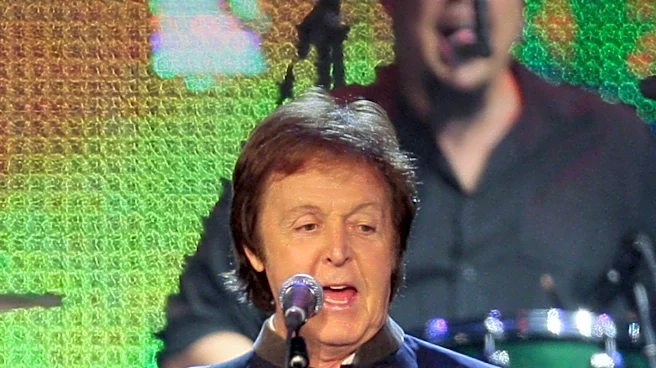
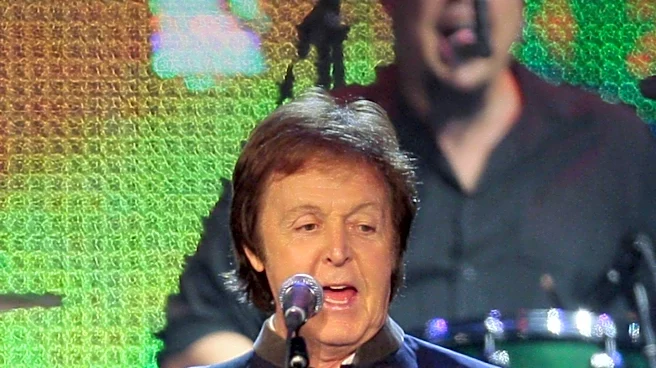
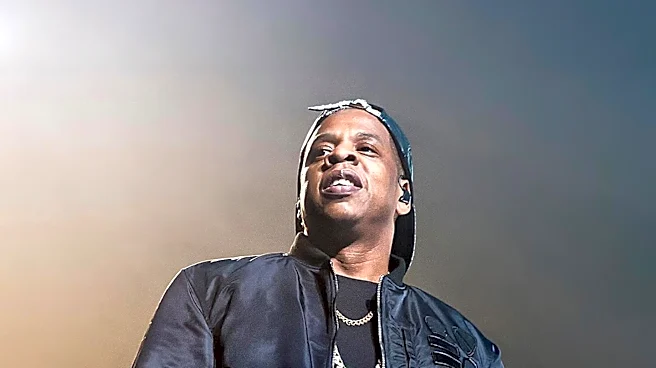
Sir Paul McCartney, the legendary musician, has officially been named a billionaire by Forbes, with an estimated net worth of approximately $1.4 billion (£1 billion). This achievement places him as the world's third-richest musician, behind Jay-Z ($2.8
billion) and Taylor Swift ($2 billion). Forbes attributes the majority of McCartney's fortune to his publishing company, MPL Communications, which he launched in 1969. MPL Communications manages his extensive catalogue and copyrights of other artists, including Buddy Holly, Broadway musical scores, and Christmas standards. This segment alone accounts for nearly a quarter of a billion dollars of his wealth. Additionally, as one of the four Beatles, McCartney receives 25% of earnings from Apple Corps, the band's holding company, which generates $50 million (£37 million) annually from streaming, vinyl sales, and merchandise. This income stream is valued at over $150 million (£111 million) for each member or their estate. His share of songwriting copyrights from The Beatles also contributes significantly, estimated at $200 million (£148 million).
Why It's Important?
Sir Paul McCartney's entry into the billionaire club highlights the enduring financial power of intellectual property and legacy in the music industry. His success with MPL Communications demonstrates the long-term value of owning and managing music catalogues, a strategy increasingly pursued by artists and investors. This trend underscores a shift in how wealth is accumulated and sustained in entertainment, moving beyond just performance and record sales to strategic asset management. The valuation of his catalogue and publishing rights also reflects the robust market for music intellectual property, which has seen significant investment and acquisition activity in recent years. For the music industry, McCartney's financial milestone serves as a benchmark for career longevity and diversified income streams, showcasing how artists can build substantial wealth through shrewd business decisions and ownership of their creative output. It also emphasizes the continued global appeal and commercial viability of classic music, even decades after its initial release.
What's Next?
The continued growth of Sir Paul McCartney's wealth, largely driven by his extensive music catalogue and publishing rights, suggests a sustained financial impact within the music industry. As streaming services continue to expand globally and new consumption models emerge, the value of established music catalogues like McCartney's is likely to appreciate further. This could encourage other legacy artists to more actively manage and monetize their intellectual property, potentially leading to more catalogue sales or strategic partnerships. Furthermore, the success of MPL Communications might inspire younger artists to prioritize ownership of their masters and publishing rights from the outset of their careers, shifting industry norms towards greater artist control and long-term financial independence. The ongoing revenue generation from The Beatles' Apple Corps also indicates a robust market for classic band merchandise and re-releases, ensuring continued financial returns for the estates involved.
Beyond the Headlines
Sir Paul McCartney's billionaire status transcends mere financial achievement, offering a profound commentary on the cultural and economic longevity of artistic creation. His wealth, largely derived from intellectual property, underscores the enduring value of music as a tangible asset that appreciates over time, challenging the ephemeral nature often associated with pop culture. This phenomenon highlights a broader societal shift where creative works are increasingly recognized as valuable commodities, capable of generating wealth across generations. Ethically, it raises questions about equitable compensation for artists, particularly those who may not have had the foresight or opportunity to retain ownership of their creations. Legally, it reinforces the critical importance of copyright law in protecting artists' legacies and ensuring their financial security. Culturally, McCartney's continued financial success solidifies his status not just as a musical icon, but as a shrewd business magnate who successfully navigated the complexities of the entertainment industry to build an empire based on his art.