
What's Happening?
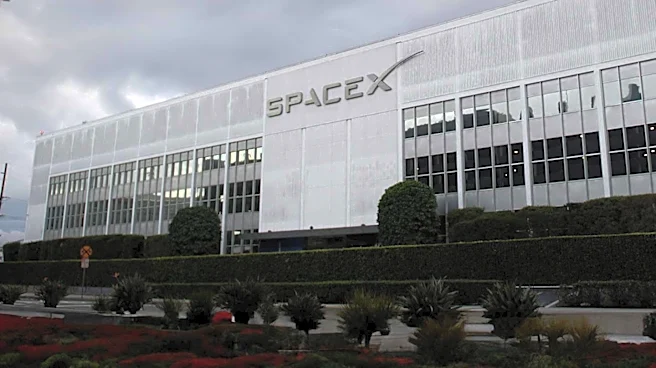
SpaceX is actively recruiting New Graduate Engineers for its Raptor Propulsion team in Hawthorne, California. The company is seeking individuals with a Bachelor's degree in engineering or physics, along
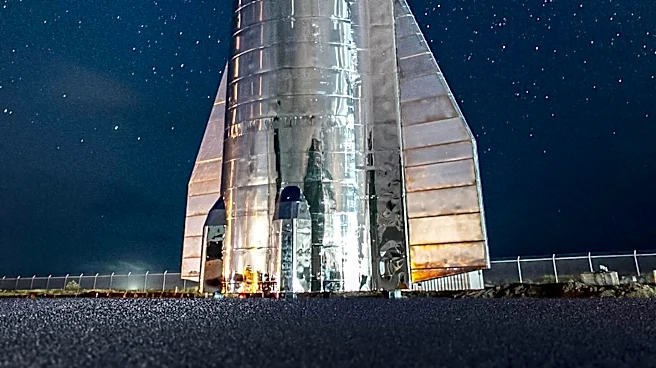
with at least one year of mechanical and/or fluids engineering experience gained through projects, research, internships, or professional roles. Ideal candidates are those graduating in the spring, summer, or fall of 2026. The role involves contributing to the design and development of next-generation rocket engines, test stands, and production lines for the Raptor engine, which powers the Starship. Engineers will be responsible for performing calculations, optimizing designs, iterating on manufacturing processes, and collaborating with interdisciplinary teams to ensure hardware integration and mission operations support. SpaceX emphasizes a dynamic environment focused on building high-performance flight hardware and a high-volume rocket engine production line.
Why It's Important?
This recruitment drive is significant for the U.S. aerospace industry and the future of space exploration. The Raptor engine is central to SpaceX's Starship program, which aims to make humanity multiplanetary. By investing in new graduate talent, SpaceX is fostering the next generation of engineers crucial for advancing rocket technology, reusability, and efficiency. The development of powerful and reusable rocket engines has profound implications for reducing the cost of space travel, enabling more frequent launches, and facilitating ambitious missions like lunar and Martian colonization. This initiative also highlights the continued demand for highly skilled engineering talent in the U.S. technology sector, particularly in cutting-edge fields like propulsion systems. Success in this area could solidify U.S. leadership in commercial spaceflight and scientific discovery.
What's Next?
Successful applicants will join the Raptor team, contributing directly to the development and production of the world's most advanced rocket engine. Their work will involve hands-on design, analysis, manufacturing, and testing, with a focus on efficiency and reusability. The next few years for SpaceX are anticipated to be highly dynamic, transitioning from hardware construction to the actual flight of reusable rockets to orbit. New engineers will play a critical role in this transition, helping to overcome technical challenges and achieve the company's ambitious goals. The ongoing development of the Raptor engine and Starship will continue to push the boundaries of what is possible in space exploration, with potential future milestones including crewed missions and the establishment of off-world bases.
Beyond the Headlines
The recruitment of new graduate engineers for the Raptor program underscores a broader trend in the U.S. space industry: the continuous pursuit of innovation and the cultivation of a highly specialized workforce. This effort is not just about building rockets; it's about investing in the intellectual capital that drives technological advancement. The emphasis on resilience, rapid growth, and the ability to overcome extreme odds in the job description reflects the demanding and pioneering nature of space exploration. Furthermore, the requirement for applicants to be U.S. citizens, lawful permanent residents, refugees, or asylees highlights the strategic importance of this technology and the U.S. government's export regulations, particularly ITAR. This ensures that critical aerospace knowledge and capabilities remain within national control, safeguarding national security interests in a competitive global space landscape.