

What's Happening?
Wonder, a food delivery and takeout company, has rapidly expanded its operations in the Northeast, opening approximately 170 storefronts within three years. The company offers a diverse range of over two dozen cuisines, including options from celebrity
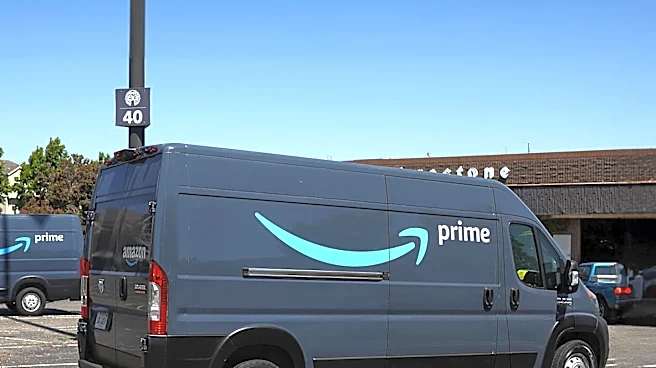
chefs and recognizable restaurant brands. Wonder's business model focuses on providing lightning-fast delivery, takeout, and dine-in services, allowing customers to order from multiple restaurants simultaneously and receive a single delivery. Meals are prepared fresh and delivered, on average, within 35 minutes. In addition to its organic growth, Wonder has strategically acquired Grubhub and Blue Apron, further solidifying its presence in the food delivery market. The company lists its individual brands, such as Limesalt, on various delivery applications, aiming to be a comprehensive destination for diverse culinary cravings.
Why It's Important?
Wonder's aggressive expansion and acquisitions signify a significant shift in the U.S. food delivery landscape. By offering a wide array of cuisines from a single platform and emphasizing speed and convenience, Wonder is catering to evolving consumer preferences for personalized and diverse meal options. The acquisition of established players like Grubhub and Blue Apron indicates a consolidation trend in the food delivery sector, potentially leading to increased competition and innovation. This model challenges traditional dining experiences and the concept of shared meals, as it enables individuals to order different cuisines for a single gathering. The company's approach, described as a 'fast-fashion model for restaurants,' prioritizes efficiency and branding, which could influence how other food service businesses adapt to consumer demands for variety and rapid service.
What's Next?
Wonder's continued expansion and integration of its acquired platforms will likely lead to a more dominant position in the U.S. food delivery market, particularly in the Northeast. The company's focus on offering a wide selection of cuisines and quick delivery could pressure traditional restaurants and smaller delivery services to innovate their offerings and logistics. Consumers can expect an even greater variety of food options and faster delivery times, potentially at competitive prices, as Wonder leverages its scale. The success of Wonder's 'food hall' model, which prepares meals offsite and finishes them in storefronts, could also inspire similar operational strategies within the food industry, further blurring the lines between traditional restaurants and delivery-focused services.
Beyond the Headlines
Wonder's business model reflects a broader societal trend towards individualization and convenience, even in communal activities like dining. The company's emphasis on catering to individual cravings, rather than shared meal experiences, highlights a cultural shift in how Americans approach food consumption. This approach, while efficient, raises questions about the future of shared dining experiences and the role of food in fostering community. The 'fast-fashion' analogy suggests a potential for rapid menu changes and a focus on trends over culinary tradition, which could impact the authenticity and craft of food preparation. Furthermore, the consolidation of food delivery services under large entities like Wonder could have implications for local restaurants and the diversity of the culinary ecosystem, potentially favoring mass-produced, branded options over independent establishments.