




What's Happening?
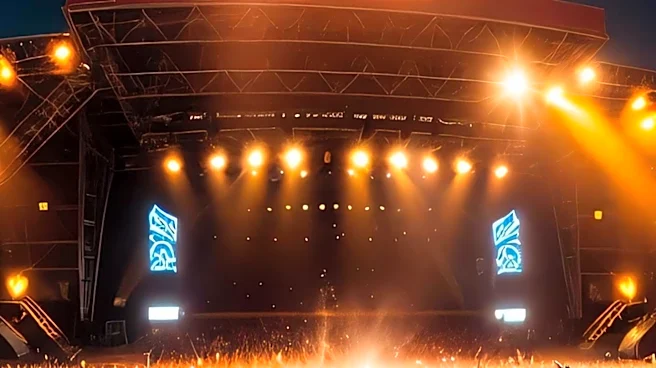
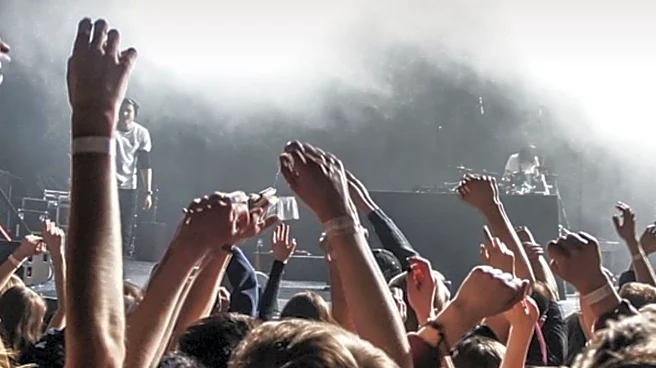
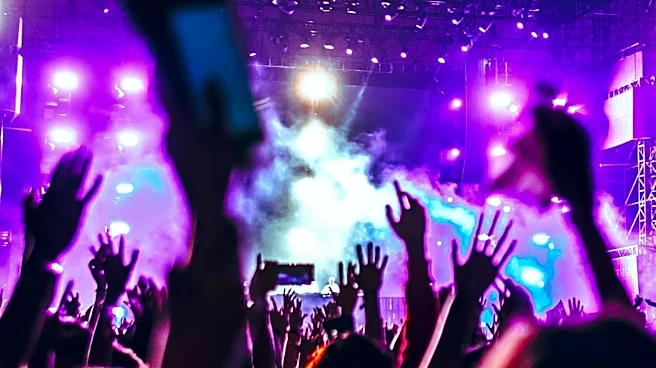
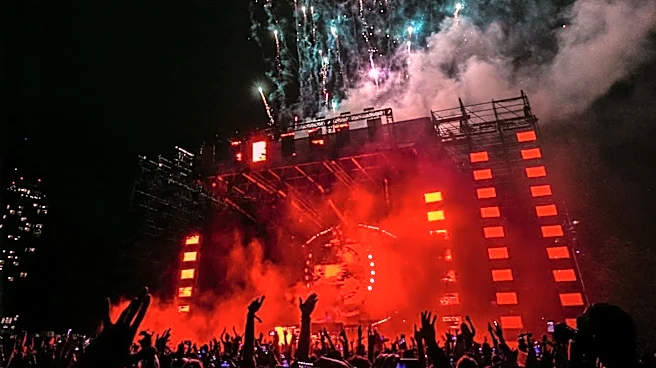
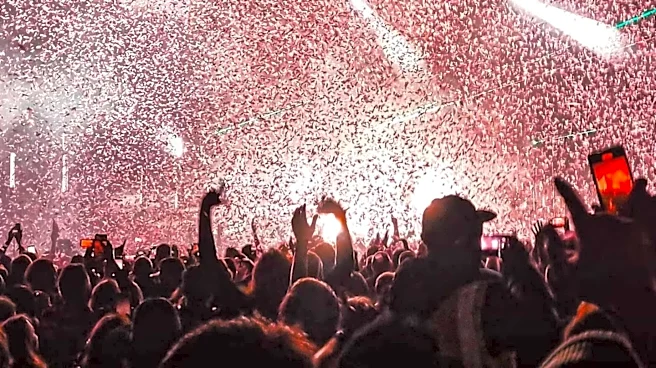
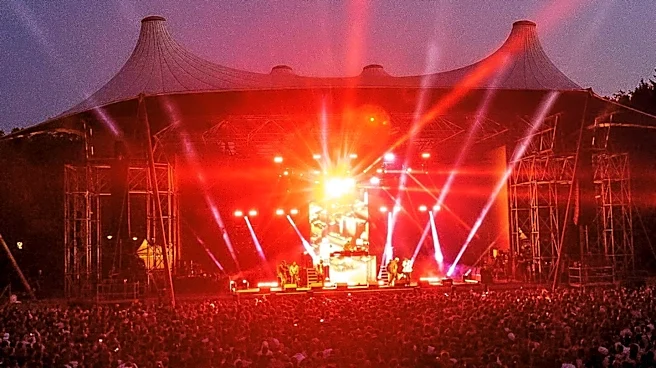
The Osheaga Festival, set to take place at Montreal's Parc Jean-Drapeau from July 31 to August 2, 2026, is expected to achieve its highest ticket sales in history. Co-founder and Evenko SVP Nick Farkas announced that the festival will host 50,000 attendees
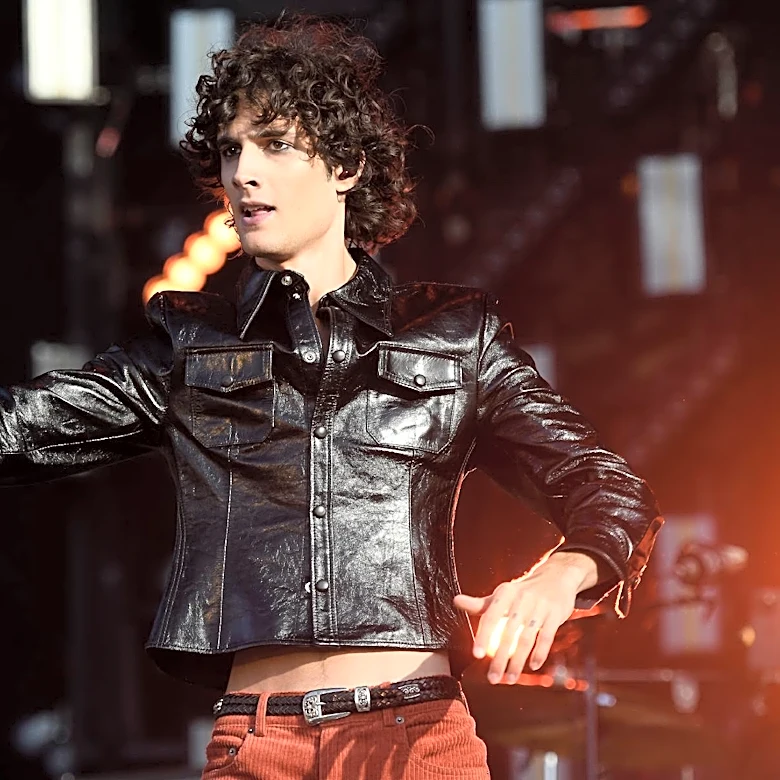
per day. The lineup includes major artists such as Lorde, Tate McRae, and Twenty One Pilots. The festival, now in its 19th year, is renowned for its diverse music offerings and picturesque location. Farkas highlighted the festival's unique urban setting, which combines the cultural elements of Montreal with a vibrant music scene.
Why It's Important?
The anticipated success of the Osheaga Festival underscores the growing popularity and economic impact of music festivals in North America. With a capacity of 50,000 attendees per day, the festival not only boosts local tourism but also supports the music industry by providing a platform for both established and emerging artists. The event's success is a testament to the strategic partnership with Live Nation, which has helped enhance its reach and operational capabilities. The festival's ability to attract large crowds also highlights the resilience of the live music industry post-pandemic.
What's Next?
As the festival approaches, organizers are likely to focus on finalizing logistics to accommodate the large number of attendees. This includes ensuring adequate infrastructure, security, and amenities to enhance the festival experience. The success of this year's event could influence future programming and partnerships, potentially expanding the festival's scope and offerings. Additionally, the festival's performance may set a benchmark for other music events in the region, influencing their planning and execution strategies.
Beyond the Headlines
The Osheaga Festival's success reflects broader cultural trends, including the increasing demand for live music experiences and the role of festivals in promoting cultural exchange. The event's emphasis on showcasing Montreal's unique cultural elements, such as food and art, highlights the importance of integrating local culture into large-scale events. This approach not only enriches the festival experience but also supports local businesses and artists, contributing to the city's cultural and economic vitality.