






What's Happening?
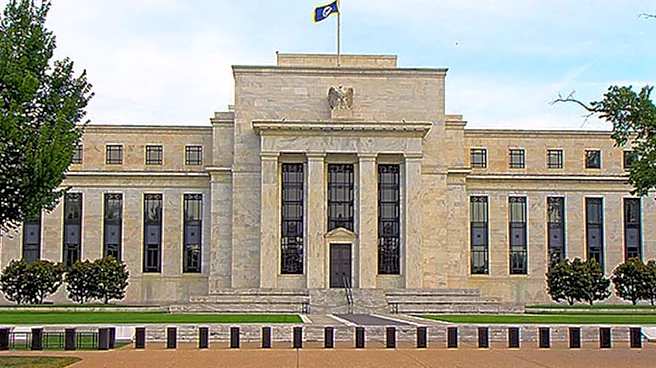
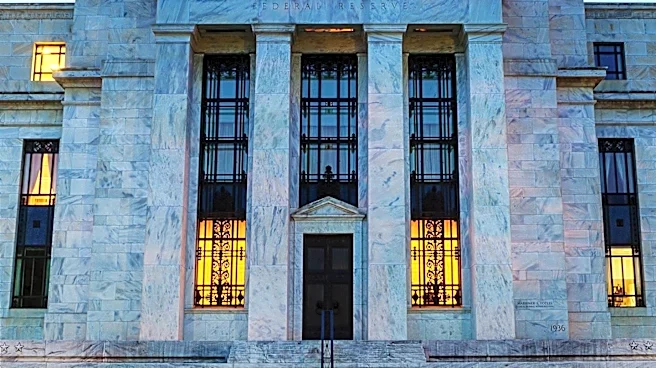
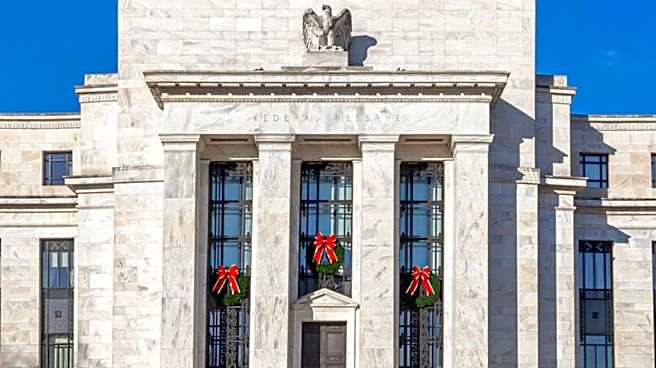
The Federal Reserve's rate-setting committee, under the new chairmanship of Kevin Warsh, is divided over the future path of U.S. inflation and interest rates. The minutes from the June meeting reveal that while some officials believe inflation will cool
as geopolitical tensions ease, others anticipate it will remain elevated due to ongoing demand for AI infrastructure and other factors. The committee unanimously decided to keep the federal funds rate unchanged at 3.5% to 3.75%, but forecasts show a split among policymakers, with half supporting a rate hike by the end of the year and the other half favoring maintaining or reducing rates. Warsh, appointed by President Trump, has not submitted a forecast, emphasizing flexibility in policy decisions.
Why It's Important?
The division within the Federal Reserve highlights the challenges of managing monetary policy amid economic uncertainties. Inflation, driven by factors such as energy prices and technological demand, poses a risk to economic stability. The Fed's decisions on interest rates have far-reaching implications for the U.S. economy, affecting borrowing costs, consumer spending, and investment. The split among officials reflects differing views on the durability of inflation and the appropriate policy response. This uncertainty can influence market expectations and economic behavior, as businesses and consumers adjust to potential changes in monetary policy.
What's Next?
The Federal Reserve will continue to assess economic data and geopolitical developments to guide its monetary policy decisions. The committee's future actions will depend on inflation trends, energy prices, and technological advancements. Stakeholders, including investors and businesses, will closely watch the Fed's communications for indications of policy shifts. The central bank's ability to navigate these challenges will be crucial in maintaining economic stability and achieving its inflation targets.