


What's Happening?
The Tulalip Tribes have confirmed their involvement in discussions regarding a bid to bring a National Basketball Association (NBA) franchise, specifically the Supersonics, back to Western Washington. This development follows reports that private equity
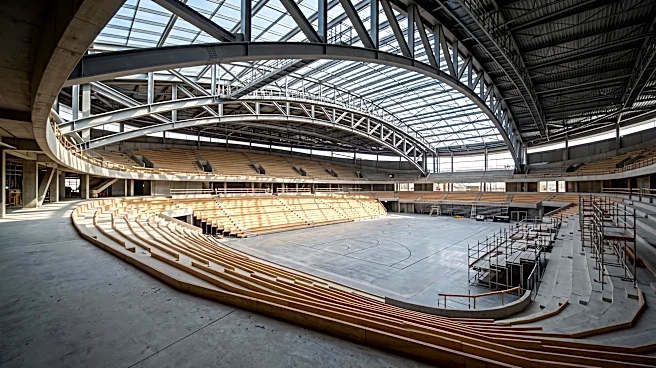
firm BlackSun submitted a bid proposing a new stadium on or near tribal land in Marysville. Tulalip Chairman Hazen Shopbell stated that the Tribes are excited to be part of the effort, emphasizing basketball's significance to their community and the potential for expanding tribal entertainment offerings and diversifying the local economy. The Supersonics previously played in Seattle before relocating. The proposal suggests a potential return of the team to the region, with the Tulalip Tribes viewing it as an opportunity for community connection and economic growth for Snohomish County. However, concerns have been raised by fans and experts regarding transportation infrastructure for a Marysville location and NBA regulations that typically require team headquarters to be within city limits, as highlighted by Danny Ball, host of the Iconic Sonics podcast.
Why It's Important?
The potential return of the Supersonics to Washington, backed by the Tulalip Tribes, carries significant economic and cultural implications for the region. For the Tulalip Tribes, this initiative represents a strategic move to diversify their economy beyond existing entertainment ventures, creating jobs and generating energy that would benefit Snohomish County. The re-establishment of an NBA team could revitalize local sports culture, offering a major professional sports presence that has been absent since the Supersonics' departure. However, the proposed Marysville location presents logistical challenges, particularly concerning transportation infrastructure for fans traveling from Seattle, which could impact attendance and overall fan experience. The debate over stadium location also touches upon NBA operational norms, as most franchises maintain their primary facilities within city limits, raising questions about the feasibility and precedent of a suburban or tribal land-based main arena.
What's Next?
The immediate next steps involve further discussions between the Tulalip Tribes, BlackSun, and potentially the NBA to flesh out the details of the bid, including financial commitments, stadium development plans, and logistical considerations. Addressing concerns about transportation infrastructure, such as potential light rail extensions or traffic management solutions for a Marysville stadium, will be crucial. The NBA's stance on a team headquarters outside Seattle city limits will also be a key factor, as current regulations and precedents, like the Philadelphia 76ers' two-state footprint, suggest a preference for urban core locations for main facilities. Stakeholders, including local government officials, transportation authorities, and community groups, will likely engage in discussions regarding the project's impact and necessary infrastructure improvements. The possibility of a G-League team accompanying the main franchise, potentially in Tacoma, Everett, or Marysville, also remains a consideration.
Beyond the Headlines
This initiative extends beyond a simple sports franchise return, touching upon broader themes of tribal economic sovereignty, regional development, and the evolving landscape of professional sports. The Tulalip Tribes' active role in this bid highlights a growing trend of Native American tribes leveraging their economic power and land assets for large-scale development projects that benefit both their communities and surrounding regions. The discussion around stadium location also brings to light the tension between urban-centric sports development and the potential for suburban or exurban growth, challenging traditional models of sports team placement. Furthermore, the emotional connection of fans to the Supersonics' legacy underscores the cultural significance of sports teams as community anchors, making their potential return a matter of civic pride and identity. The project could set a precedent for how tribal nations engage with major professional sports leagues in the future.