

What's Happening?
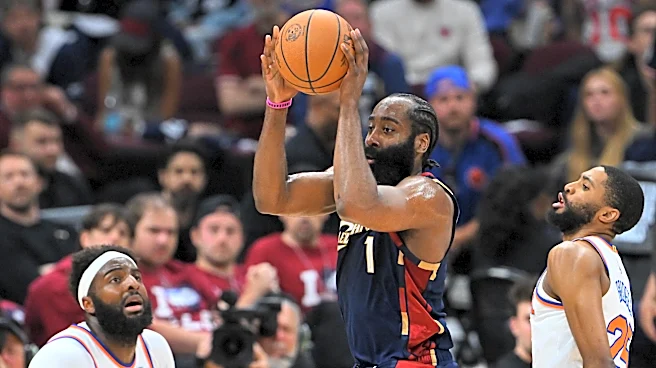
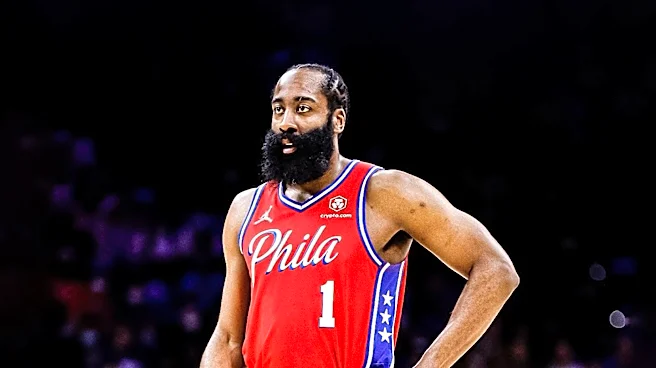
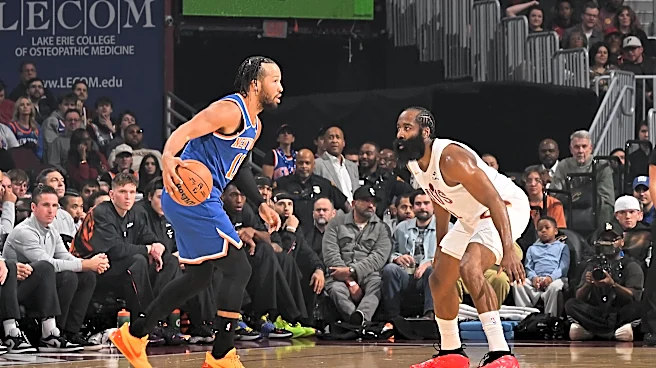
The Cleveland Cavaliers are confronting a significant challenge with James Harden, whose on-court performance has sharply declined in his first full season with the team. Harden, 37, is averaging 15.7 points on 36.6 percent shooting through 10 games,
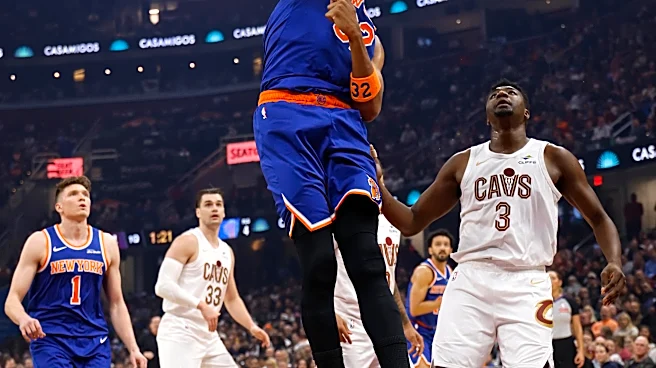
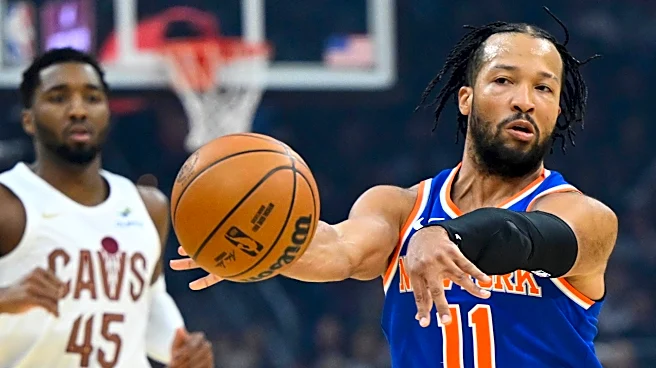
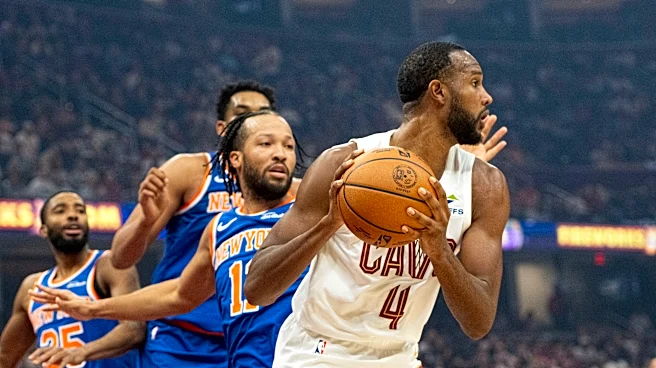
marking a substantial drop from his career averages and previous superstar production. This underperformance is particularly problematic given the three-year, $97 million contract he signed with the Cavaliers this summer. In a recent 109-97 loss to the New York Knicks, Harden scored only seven points on 2-of-9 shooting in 34 minutes, finishing with five assists and a minus-15 rating. This contrasts sharply with teammate Donovan Mitchell's 37-point effort in the same game. The Cavaliers are reportedly paying for Harden's past reputation as an elite offensive weapon, but his current output no longer aligns with that status, raising concerns about the team's ability to contend for a championship.
Why It's Important?
This situation is critical for the Cleveland Cavaliers as it directly impacts their championship aspirations and financial flexibility. The substantial investment in Harden's contract, coupled with his declining production, creates a significant cap strain and limits the team's ability to acquire other talent. For a team aiming to contend with Donovan Mitchell in his prime, every possession and salary dollar must contribute effectively. Harden's current performance not only fails to justify his salary but also potentially hinders the team's overall offensive flow and defensive effort. The dilemma for the Cavaliers is whether to continue playing Harden as a starter, hoping for a resurgence, or to reduce his minutes and role, which could lead to internal conflict given his past superstar status. This decision will have long-term implications for the team's roster construction and competitive window.
What's Next?
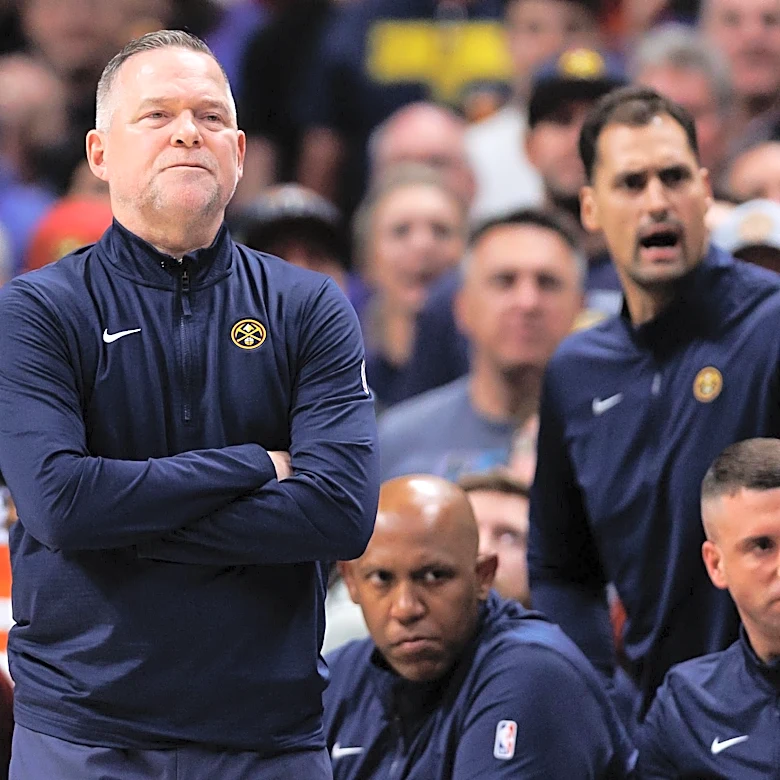
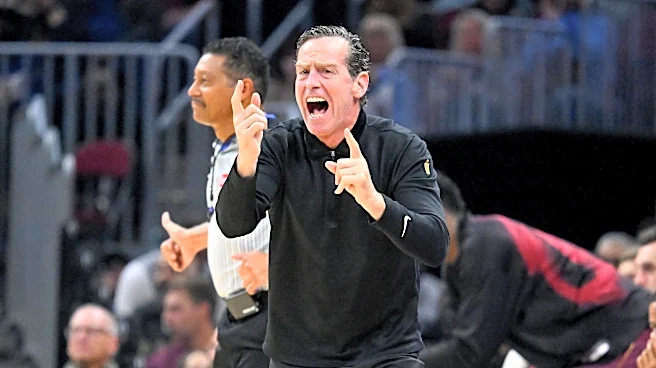
The Cleveland Cavaliers face immediate decisions regarding James Harden's role and playing time. The coaching staff, led by Kenny Atkinson, will need to evaluate whether Harden can adapt to a reduced role or if his current performance is sustainable. Potential next steps include experimenting with Harden coming off the bench, as suggested by some analysts, or exploring trade options if his value remains sufficient. However, trading a player with a large contract and declining performance can be challenging. The team must also consider the financial implications of Harden's contract, which includes a player option for the 2028-29 season, potentially extending their commitment. The Cavaliers' management will need to prioritize the team's future and championship pursuit over preserving Harden's superstar status, a decision that could involve difficult conversations and significant roster adjustments in the coming weeks and months.
Beyond the Headlines
The situation with James Harden in Cleveland highlights a recurring theme in professional sports: the challenging decline of aging superstars and the organizational decisions required to manage it. The emotional and financial investments in such players often make it difficult for teams to pivot when production wanes. This scenario brings to light the tension between honoring a player's legacy and making pragmatic choices for the team's future success. The Cavaliers' handling of Harden will be a case study in how NBA franchises navigate these sensitive transitions. It also underscores the broader economic realities of sports contracts, where guaranteed money can become a burden when performance doesn't match expectations. The ethical dimension involves balancing respect for a player's past contributions with the competitive imperative to win, often leading to uncomfortable but necessary changes.