


What's Happening?
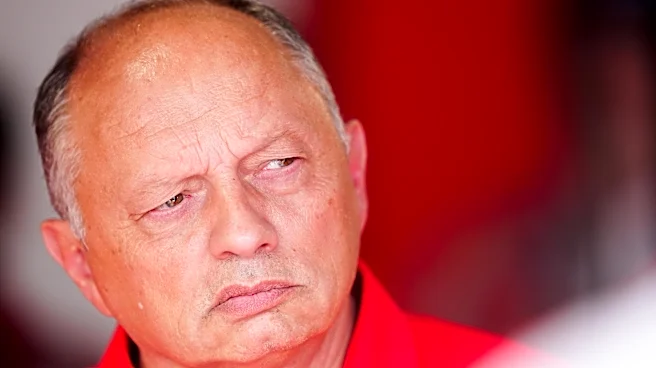
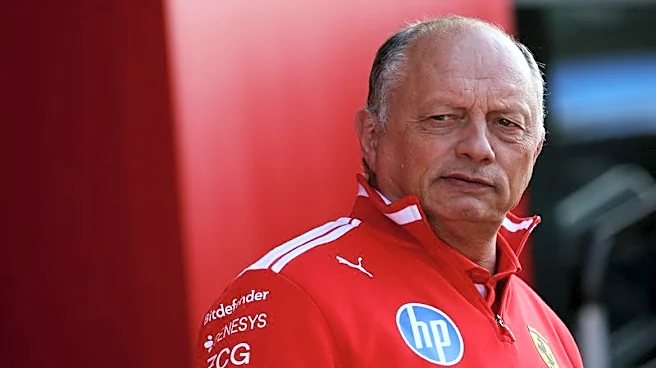
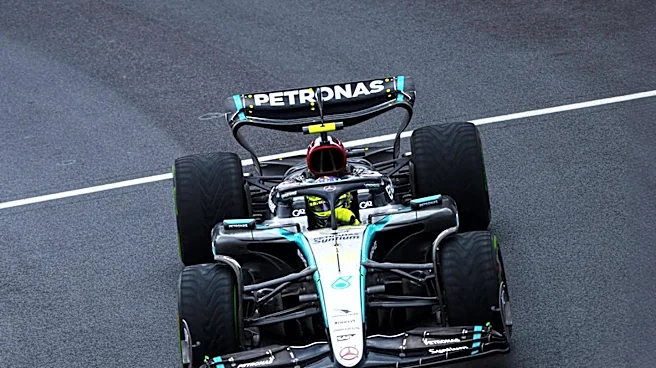
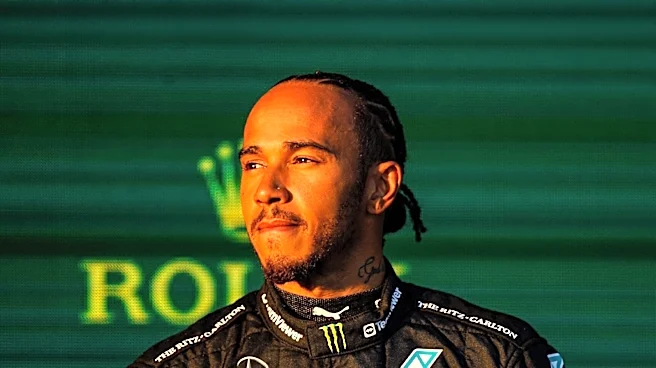
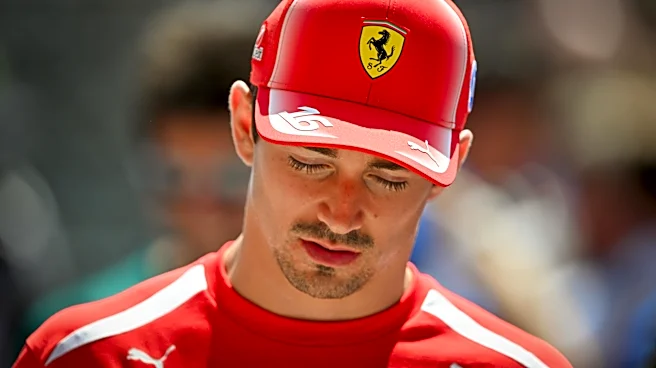
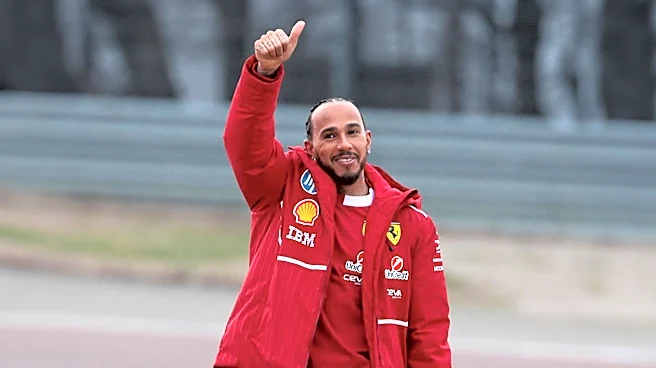
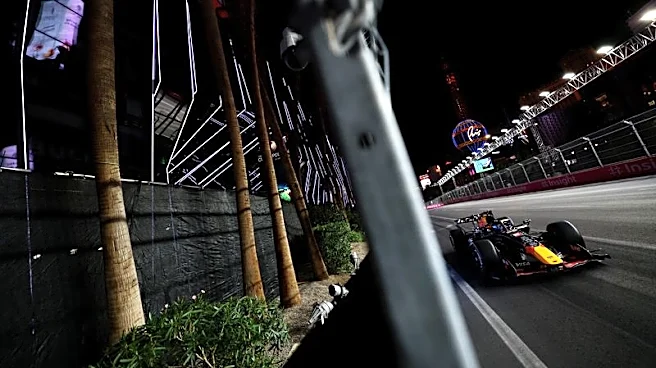
Ferrari team principal Fred Vasseur has stated that the on-track rivalry between drivers Lewis Hamilton and Charles Leclerc has become 'unmanageable' following their collision at the Las Vegas Grand Prix on November 22. This incident marks the second
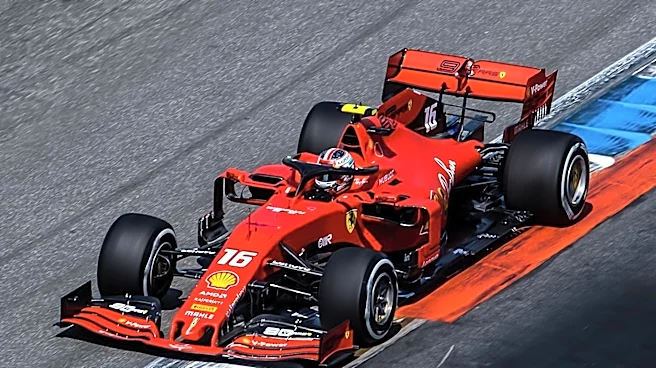
such clash in recent weeks, with a similar event occurring at the Mexico City Grand Prix. Vasseur expressed significant frustration, noting that he had underestimated the complexities of managing the relationship between the two drivers since Hamilton joined the team. The latest collision took place on Lap 38 when Leclerc attempted an overtake on the inside of Hamilton, resulting in contact that sent Hamilton spinning and cost both drivers positions. Stewards deemed Leclerc 'wholly to blame' for the incident, penalizing him with a 10-second time penalty, which dropped him to 10th place. Hamilton recovered to finish seventh. Vasseur highlighted the negative impact on the entire Ferrari team, including employees at the Maranello headquarters, emphasizing that such incidents are 'completely unacceptable' given the team's potential for podium finishes.
Why It's Important?
This escalating tension between Ferrari's star drivers carries significant implications for the team's performance and championship aspirations. Internal rivalries, when left unchecked, can lead to lost points, damaged cars, and a demoralized team environment, directly affecting Ferrari's standing in the Constructors' Championship. For a high-profile team like Ferrari, known for its rich history and passionate fanbase, consistent on-track incidents between teammates can also damage its brand image and investor confidence. The situation puts immense pressure on Vasseur to assert control and implement strategies that prioritize team success over individual driver ambitions. The repeated clashes suggest a breakdown in communication or respect between Hamilton and Leclerc, which could undermine strategic race decisions and overall team cohesion, potentially impacting future driver lineups and contractual negotiations.
What's Next?
Ferrari is expected to conduct internal discussions to address the latest clash between Lewis Hamilton and Charles Leclerc before the next round of the championship, the Qatar Grand Prix, scheduled from November 27 to 29. Team principal Fred Vasseur will likely need to implement stricter team orders or clearer guidelines for on-track conduct to prevent further incidents. Potential next steps could include individual meetings with each driver, a joint meeting to establish mutual understanding and respect, or even the imposition of team penalties if the behavior persists. The team's ability to manage this rivalry effectively will be crucial for their performance in the remaining races of the 2026 season and for maintaining a harmonious environment moving forward. The outcome of these internal discussions will be closely watched by fans, media, and competitors, as it could signal Ferrari's approach to managing high-caliber drivers in intense competitive scenarios.
Beyond the Headlines
The ongoing friction between Lewis Hamilton and Charles Leclerc at Ferrari highlights a perennial challenge in Formula 1: balancing individual driver ambition with team objectives. This situation could trigger broader discussions within the sport about the role of team principals in managing superstar drivers and the effectiveness of current regulations in preventing intra-team collisions. Ethically, it raises questions about driver accountability and sportsmanship, especially when personal rivalries compromise team performance. Legally, while stewards have assigned blame for specific incidents, the broader issue of managing driver conduct within a team often falls outside formal regulations, relying instead on internal team policies and contractual agreements. Culturally, the narrative of a 'dream team' turning into an 'unmanageable' rivalry could shift public perception of both drivers and the Ferrari brand, potentially influencing fan loyalty and sponsorship deals in the long term. This dynamic could also set a precedent for how other teams approach driver pairings in the future, emphasizing the importance of personality compatibility alongside raw talent.