



What's Happening?
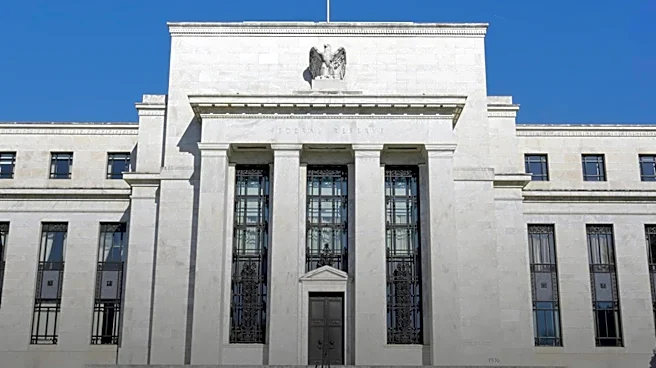
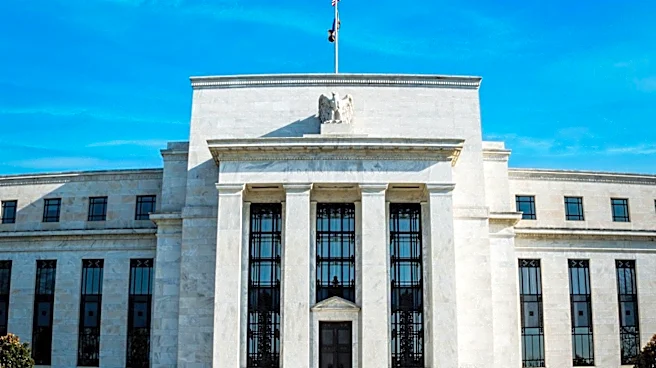
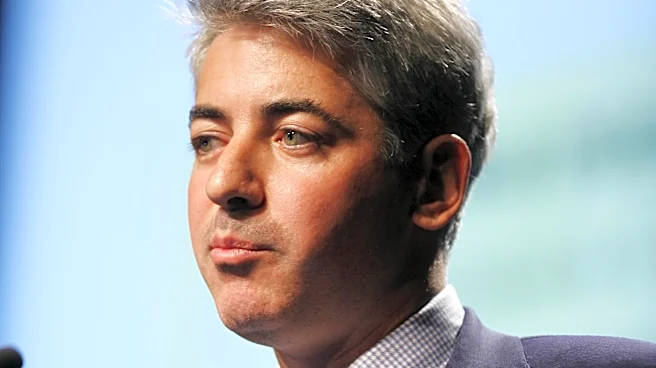
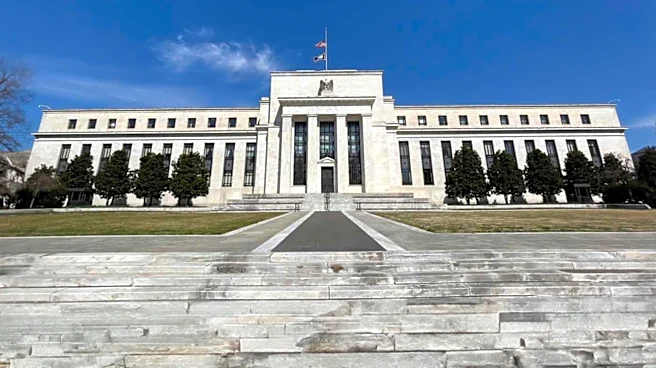
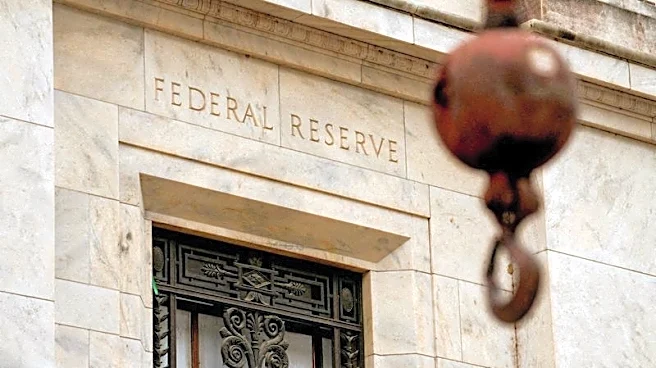
Billionaire investor Bill Ackman has issued a warning that the Federal Reserve's continued pursuit of a 2% inflation target could lead to a global recession. In a Nov. 22 post on X, Ackman argued that financial conditions have already tightened significantly,
making borrowing and capital raising more expensive for companies. He cited examples such as SpaceX securing financing at an 8.259% interest rate and the increased cost of equity capital following a stock market selloff. Ackman contends that the current economic landscape, characterized by geopolitical risks, increased global military spending, deglobalization, tariffs, and massive AI infrastructure investments, differs significantly from when the 2% target was initially established. He suggests that the Fed's focus on this target is misguided and advocates for a shift to a 3% inflation target. This is not Ackman's first critique of the Fed, as he previously stated in September that the central bank erred by raising interest rates for the first time in over three years.
Why It's Important?
Ackman's critique is significant because it challenges a long-standing pillar of U.S. monetary policy and could influence discussions within financial circles and among policymakers. The Federal Reserve's 2% inflation target has been a cornerstone of its strategy, aimed at providing price stability to support economic growth and employment. A departure from this target, as suggested by Ackman, would represent a substantial shift in monetary policy. If the Fed were to consider a higher inflation target, it could impact interest rates, investment decisions, and consumer spending across the U.S. economy. Businesses might face different borrowing costs, and consumers could see changes in purchasing power. The debate highlights the complexities of managing inflation in a rapidly evolving global economic environment, where new factors like AI infrastructure and geopolitical tensions play a more prominent role.
What's Next?
Despite Ackman's warnings, market expectations, as indicated by CME Group's FedWatch tool, are pricing in a 25-basis-point rate hike at the Fed's upcoming December 9 meeting. Some Federal Reserve officials, including Governor Christopher Waller, have even suggested the possibility of a larger 50-basis-point hike. This indicates a potential divergence between Ackman's perspective and the immediate actions anticipated from the central bank. The Fed will likely continue to monitor economic data, including inflation rates, employment figures, and global economic indicators, to inform its decisions. The ongoing debate about the appropriate inflation target could intensify, with various economists and financial experts weighing in on the long-term implications of current monetary policy. The outcome of the December meeting will be closely watched for signals regarding the Fed's commitment to its current inflation target and its strategy for managing economic stability.
Beyond the Headlines
The discussion around the Federal Reserve's inflation target extends beyond immediate economic indicators, touching upon fundamental questions of economic philosophy and the adaptability of monetary policy. Ackman's argument implicitly suggests that the traditional economic models used to set such targets may not fully account for contemporary global shifts. The rise of AI infrastructure, for instance, represents a massive investment that could have both inflationary and deflationary pressures, depending on its impact on productivity and demand. Similarly, deglobalization and increased military spending could alter supply chains and resource allocation, leading to different inflationary dynamics than those observed in previous decades. This debate prompts a deeper examination of whether central banks should maintain rigid targets or adopt more flexible approaches that can better respond to unprecedented global economic transformations and technological advancements. The long-term implications could involve a re-evaluation of how economic stability is defined and achieved in the 21st century.