






What's Happening?
Residents of Charlotte, North Carolina, are exploring various options for coastal getaways, balancing the desire for ocean beaches with the convenience of closer inland alternatives. The closest major ocean beaches, such as Myrtle Beach, South Carolina, are approximately
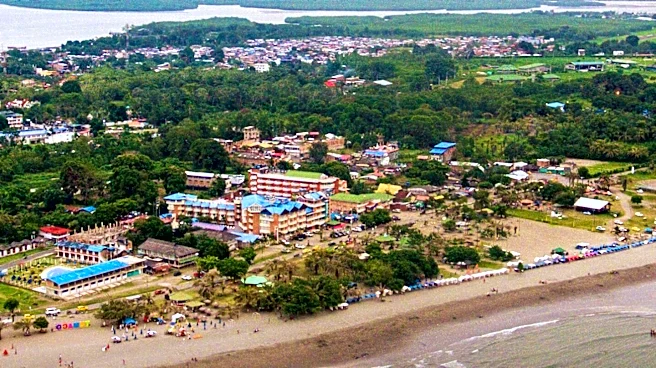
three hours south of Charlotte. Myrtle Beach offers a bustling resort experience with wide beaches and numerous amenities, though it can be crowded during peak season. Other Atlantic options like North Myrtle Beach, Sunset Beach, and Ocean Isle Beach offer slightly different atmospheres, with the latter two providing a more subdued, family-friendly environment but requiring a slightly longer drive. For those seeking a quicker escape, Lake Norman, located 30 to 45 minutes north of Charlotte, presents a freshwater 'beach day' alternative with public parks like Lake Norman State Park and Blewette’s Beach. While Lake Norman lacks ocean characteristics, it offers immediate water access and sandy shorelines for recreation.
Why It's Important?
The choice between ocean and lake destinations for Charlotte residents highlights a common dilemma for inland populations: balancing travel time with the desired recreational experience. This decision impacts local economies, tourism patterns, and individual leisure choices. The popularity of Myrtle Beach underscores its role as a significant tourist destination for North Carolinians, contributing to its economic vitality but also leading to issues like overcrowding. Conversely, Lake Norman's appeal as a closer alternative supports local businesses and recreational services within the Piedmont region, offering a more spontaneous and accessible option for residents. Understanding these preferences is crucial for regional planners and tourism boards in developing infrastructure and marketing strategies that cater to the diverse needs of Charlotte's population, influencing investment in both coastal and inland recreational facilities.
What's Next?
As Charlotte continues to grow, the demand for accessible recreational areas, both coastal and inland, is likely to increase. This trend could lead to further development and investment in infrastructure around popular beach destinations and Lake Norman. Local and state authorities may need to address challenges such as traffic congestion, environmental impact, and resource management at these sites. For instance, efforts might be made to improve transportation routes to coastal areas or to enhance facilities and public access points at Lake Norman. Additionally, the tourism industry may adapt by offering more diverse packages that cater to both short-trip lake excursions and longer ocean vacations, potentially influencing regional economic development and land use policies in areas surrounding Charlotte and its accessible water bodies.
Beyond the Headlines
The preference for specific beach types reflects deeper cultural and lifestyle values among Charlotte residents. The choice between the vibrant, commercial atmosphere of Myrtle Beach and the quieter, family-oriented North Carolina beaches, or the convenience of Lake Norman, speaks to varying desires for relaxation, entertainment, and connection with nature. This segmentation of preferences can influence urban planning and regional development, as communities strive to offer diverse recreational opportunities. The environmental implications of increased tourism, such as coastal erosion, water quality, and waste management, also become more pronounced. Furthermore, the concept of a 'beach' itself is re-evaluated, with freshwater lakes gaining prominence as viable alternatives, challenging traditional notions of what constitutes a desirable water-based getaway and potentially shifting recreational habits and expectations for future generations.