



What's Happening?
The long-running TV series 'CSI: Crime Scene Investigation' has sparked discussions about its potential influence on juror expectations in real-life court cases. Since its debut in 2000, the show has popularized forensic science, often depicting cases solved
with extensive scientific evidence. This portrayal has led to concerns among legal professionals about the 'CSI effect,' where jurors may expect similar levels of forensic evidence in actual trials, potentially affecting their willingness to convict based on eyewitness testimony alone. The phenomenon has been cited in high-profile cases, such as the 2005 trial of Robert Blake, where a lack of forensic evidence was believed to influence the jury's decision.
Why It's Important?
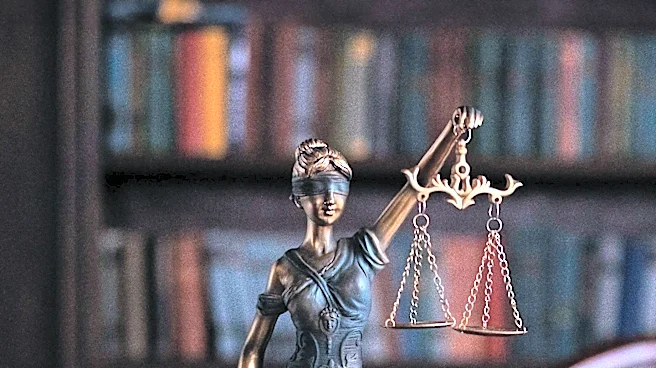
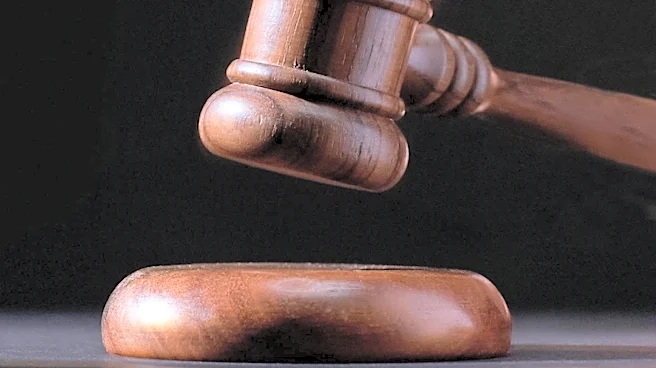
The 'CSI effect' raises important questions about the intersection of media and the legal system. If jurors are indeed influenced by fictional portrayals of forensic science, it could have significant implications for the justice system, potentially leading to higher acquittal rates in cases lacking extensive scientific evidence. This could challenge prosecutors and defense attorneys to adjust their strategies, emphasizing the need for public education on the realities of forensic science. The debate also highlights the broader impact of media on public perceptions and expectations, underscoring the responsibility of content creators to balance entertainment with accuracy.
What's Next?
Legal professionals and researchers may continue to study the 'CSI effect' to better understand its impact on juror behavior. This could lead to initiatives aimed at educating jurors about the differences between fictional and real-world forensic science. Additionally, the legal community might explore ways to mitigate the effect, such as through jury instructions or expert testimony. As the conversation evolves, it may also influence how crime dramas are produced, potentially prompting creators to depict forensic science more realistically.