






What's Happening?
The Pakistani government is contemplating a new power tariff package as electricity demand has decreased by over three percent. This move comes as the National Electric Power Regulatory Authority (Nepra) scrutinizes the performance of power sector entities
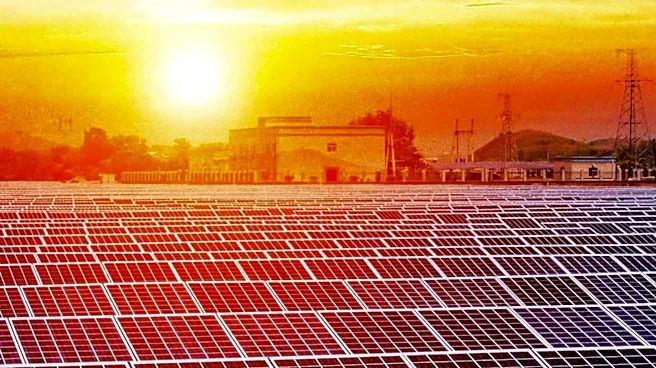
and criticizes excessive loadshedding. The government aims to collect an additional Rs1.20 per unit in fuel costs from consumers in August, amounting to Rs15.7 billion for electricity consumed in June. The decline in demand is attributed to factors such as solar net metering and weather conditions. The government is also addressing issues related to outages at nuclear power plants and the high cost of fuel due to reliance on expensive furnace oil and RLNG.
Why It's Important?
The proposed power tariff adjustments are significant as they reflect the challenges faced by Pakistan's energy sector, including inefficiencies and high operational costs. The additional fuel cost burden on consumers could impact household and industrial budgets, potentially leading to public discontent. The government's efforts to address these issues are crucial for ensuring energy security and economic stability. The focus on renewable energy solutions like solar power indicates a shift towards more sustainable energy practices, which could have long-term benefits for the country's energy independence and environmental goals.
What's Next?
The government is expected to finalize the new power tariff package and present it to Nepra for approval. Industrial representatives have called for a review of the incremental tariff package, highlighting its impact on various consumer categories. The government is also working on integrating battery energy storage systems to stabilize the grid and manage tariff adjustments. These developments will require careful consideration of consumer interests and the financial health of the power sector.