






What's Happening?
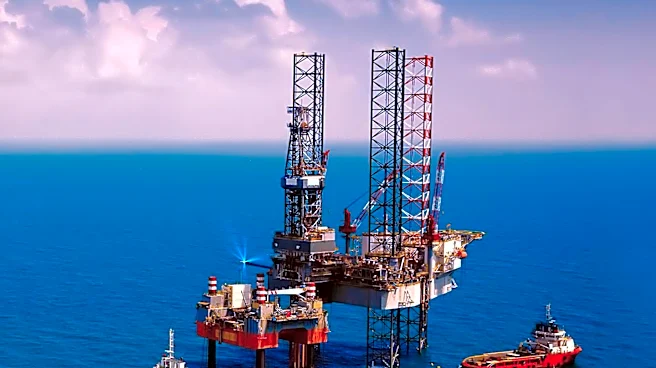
Singapore-based Seatrium has entered into an agreement with RigCo, a subsidiary of Keppel, to complete the construction of four offshore drilling rigs. The contract, valued at over $390 million (S$500 million), falls under an existing master services
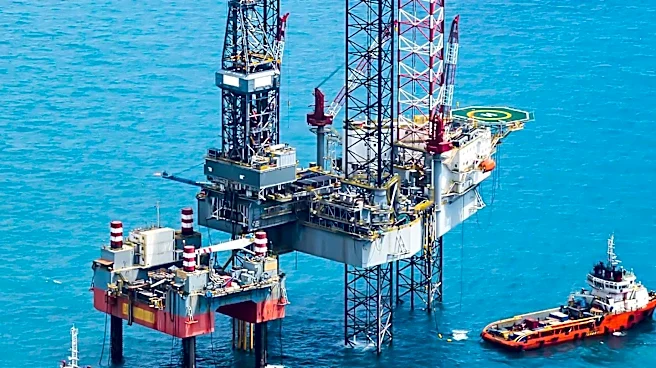
arrangement. The rigs include a premium seventh-generation drillship, a harsh environment jack-up, and two mid-water semisubmersibles designed for Northwest European conditions. The construction will be funded by existing cash within RigCo. The drillship is slated for delivery in 2027, followed by the harsh environment jack-up in 2028, with both intended for charter opportunities and monetization through the Keppel Offshore Fund. Plans for the remaining two semisubmersibles are still under assessment.
Why It's Important?
This agreement signals a significant resurgence in the offshore drilling rig market, impacting U.S. and global energy sectors. After a decade of limited newbuild activity and the retirement of older units, improving market conditions, higher utilization rates, and structural supply constraints are driving demand for advanced offshore rigs. For the U.S. energy industry, this trend could mean increased investment in offshore exploration and production, potentially boosting domestic energy supplies and creating jobs. The focus on premium, harsh-environment rigs also indicates a move towards more technologically advanced and efficient drilling operations, which can enhance safety and reduce environmental impact. The deal reflects a strategic move by Keppel to monetize its legacy assets and by Seatrium to capitalize on the renewed demand for specialized offshore construction.
What's Next?
Seatrium will commence or continue construction on the four rigs, with the drillship and harsh environment jack-up expected to be delivered in 2027 and 2028, respectively. RigCo will actively seek charter opportunities for these premium rigs to maximize their utilization and generate returns for the Keppel Offshore Fund. The assessment of construction plans for the two semisubmersibles will likely depend on market conditions and specific client demands. This deal could encourage other companies with uncompleted or idle rig assets to pursue similar completion and monetization strategies. The broader offshore drilling market is anticipated to see continued growth, driven by sustained demand for energy and the need to replace aging fleets with modern, efficient units.
Beyond the Headlines
The revival of offshore rig construction, as evidenced by this deal, has broader implications for global energy policy and the transition to renewable energy. While there's a strong push for renewables, the continued investment in advanced drilling rigs suggests that fossil fuels will remain a critical component of the global energy mix for the foreseeable future. This creates a complex dynamic where traditional energy sectors adapt and modernize alongside the growth of green energy. The technological advancements in these new rigs, particularly those designed for harsh environments, could also lead to innovations applicable to other offshore industries, including renewable energy installations. Furthermore, the deal highlights the strategic importance of shipbuilding and offshore construction capabilities, often tied to national economic and security interests.