


What's Happening?
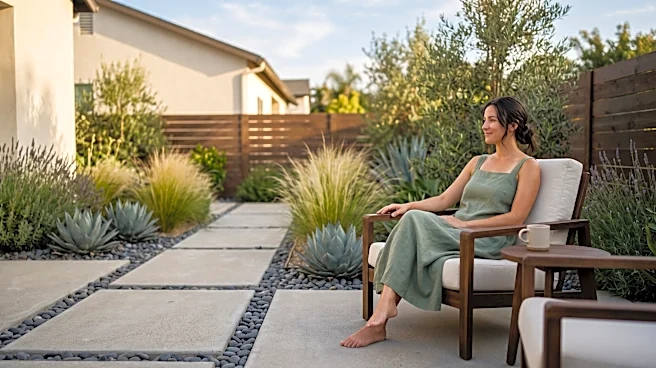
Current backyard landscaping trends are focusing on practical and aesthetically pleasing solutions for homeowners. Popular ideas include the integration of concrete pathways, strategic lighting, and various turf options, including artificial turf. Drainage
solutions are also a key consideration in modern landscape design. For regions like Tucson, Arizona, the recommendations specifically highlight combining drought-tolerant plants with durable hardscaping elements. Shaded seating areas are also a common request, alongside smart features such as outdoor lighting. In urban environments like Denver, Colorado, even small backyards are being optimized with creative planting, such as rows of skinny trees along fence lines, underplanted with contemporary groupings of perennials or ornamental grasses. These trends reflect a desire for both functionality and sustainability in outdoor living spaces.
Why It's Important?
The shift towards drought-tolerant plants and efficient water management in landscaping is crucial for environmental sustainability, particularly in arid and semi-arid regions of the U.S. This approach helps conserve water resources, reduces the strain on municipal water supplies, and lowers homeowners' utility bills. The emphasis on durable hardscaping and artificial turf also addresses maintenance concerns, offering long-lasting solutions that require less upkeep compared to traditional lawns. For the U.S. landscaping industry, these trends drive innovation in product development, from advanced irrigation systems to new varieties of resilient plants. Homeowners benefit from more functional and enjoyable outdoor spaces that are also environmentally responsible, potentially increasing property values. The integration of smart features like outdoor lighting enhances safety and extends the usability of outdoor areas, contributing to a higher quality of life.
What's Next?
The landscaping industry is expected to continue evolving with a focus on sustainable practices and technological integration. We may see further advancements in smart irrigation systems that adapt to real-time weather conditions and plant needs, as well as the development of new drought-resistant plant species. The demand for low-maintenance and eco-friendly materials will likely increase, leading to more innovative hardscaping options and artificial turf products. Landscape designers will continue to explore creative ways to maximize small urban spaces, incorporating vertical gardens and multi-functional elements. Educational initiatives promoting water conservation and sustainable landscaping will also become more prevalent, encouraging homeowners to adopt these practices. The trend towards creating outdoor living rooms, complete with comfortable seating, lighting, and entertainment features, is also anticipated to grow, blurring the lines between indoor and outdoor spaces.
Beyond the Headlines
Beyond the immediate benefits of water conservation and reduced maintenance, these landscaping trends reflect a broader cultural shift towards environmental consciousness and a desire for more integrated living spaces. The move away from traditional, water-intensive lawns signifies a re-evaluation of aesthetic norms and a greater appreciation for native and adapted plant species. This can lead to increased biodiversity in urban and suburban areas, creating habitats for local wildlife. The focus on outdoor living also highlights a growing need for connection with nature, even in urban settings, contributing to mental well-being and stress reduction. Furthermore, the adoption of smart outdoor technologies could pave the way for more interconnected 'smart homes' where indoor and outdoor environments are seamlessly managed. This evolution in landscaping is not just about plants and patios; it's about redefining our relationship with the environment and how we inhabit our personal spaces.