




What's Happening?
Moscow is strategically integrating digital technology and artificial intelligence (AI) into its tourism development. This initiative, highlighted by the Moscow Department of Information Technologies on World Tourism Day, aims to streamline and enrich
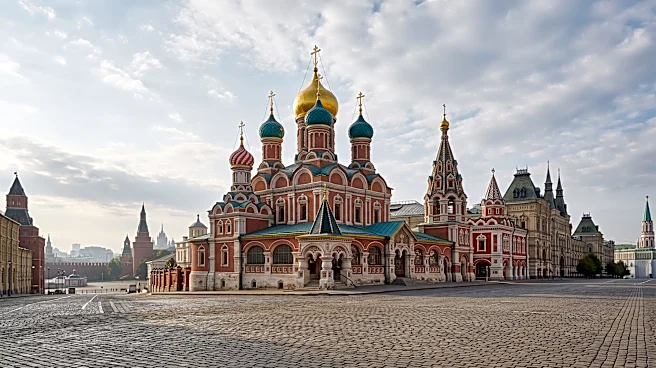
the visitor experience. The city has rolled out various online platforms and mobile applications that facilitate booking accommodations, purchasing museum tickets, and exploring historical landmarks. Key offerings include AI-powered itinerary planning, interactive walking routes, augmented reality experiences, and smart city guides. These digital services provide easier access to historical attractions, personalized itineraries, digital ticketing, and integrated transport options, positioning Moscow as a technology-centric travel destination. The 'Get to Know Moscow' platform offers over 340 walking routes with audio guides, interactive maps, quizzes, and information cards. Additionally, the 'Russpass' digital tourism platform, covering 85 Russian regions, uses AI to assist with destination inspiration, personalized recommendations, and customized trip planning, bringing together tens of thousands of tourism offers.
Why It's Important?
The integration of advanced digital and AI technologies into Moscow's tourism sector signifies a broader trend in global urban development towards smart city initiatives. This move is important as it enhances the efficiency and appeal of Moscow as a tourist destination, potentially increasing visitor numbers and boosting the local economy. By offering seamless digital solutions for travel planning, cultural exploration, and transportation, Moscow aims to attract a wider range of tourists, including those who prioritize convenience and personalized experiences. The use of AI for itinerary planning and recommendations could set a new standard for urban tourism, influencing how other major cities approach visitor engagement. This digital transformation also supports independent sightseeing, allowing tourists to delve deeper into the city's cultural and architectural heritage beyond conventional tours, thereby enriching their overall experience and potentially extending their stay.
What's Next?
Moscow is expected to continue expanding its digital tourism ecosystem, with further enhancements to AI-powered services and augmented reality experiences. The ongoing development of platforms like 'Get to Know Moscow' and 'Russpass' will likely introduce more interactive features and broader coverage of attractions and services. Future initiatives may include deeper integration with public transport systems, real-time event updates, and personalized recommendations based on visitor behavior and preferences. The success of these digital tools could encourage other Russian cities and international destinations to adopt similar strategies, fostering a more connected and technologically advanced global tourism landscape. The focus will remain on improving convenience and flexibility for tourists, potentially leading to increased international and domestic tourism flows and further solidifying Moscow's reputation as a leading smart city destination.
Beyond the Headlines
The deployment of AI and digital tools in Moscow's tourism sector extends beyond mere convenience, touching upon deeper implications for cultural engagement and urban development. By making historical and cultural information more accessible through augmented reality and interactive guides, the city is democratizing access to its heritage, allowing visitors to engage with history in a more immersive and personal way. This approach could foster a greater appreciation for local culture and history among tourists. Furthermore, the data collected from these digital platforms could provide valuable insights into tourist preferences and movement patterns, enabling more effective urban planning and resource allocation. This digital transformation also highlights the growing importance of technological literacy for both tourists and tourism service providers, potentially driving innovation in related sectors and creating new economic opportunities within the tech and tourism industries.