




What's Happening?
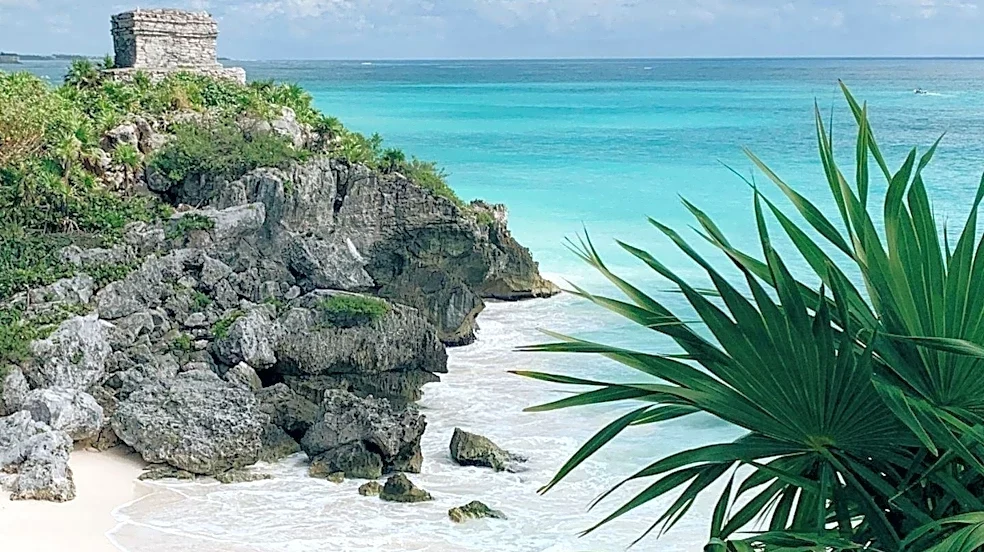
Tulum, a town on Mexico's Yucatán Peninsula located approximately 130 km south of Cancún, is gaining recognition for its natural beauty and cultural heritage. The town is known for its ancient walled Maya city ruins situated on a cliff overlooking the
sea, which are frequently photographed. Tulum is part of Quintana Roo, Mexico, and operates within the Central Standard Time Zone (CST), UTC/GMT -6 hours. Visitors to the region often include Tulum in their travel itineraries, combining visits to sites like Cenote Azul and Chichen Itza. The area offers a distinct experience compared to larger tourist destinations like Cancún, emphasizing a slower pace, boutique accommodations, and a focus on historical and natural attractions.
Why It's Important?
The growing prominence of Tulum as a tourist destination highlights a shift in traveler preferences towards cultural immersion and natural exploration. For the U.S. tourism industry, this trend could influence travel package offerings and marketing strategies, as more Americans seek destinations that combine historical significance with ecological experiences. The development of Tulum's tourism infrastructure, including its own airport, signifies increasing accessibility, potentially drawing a larger segment of the U.S. travel market. This focus on heritage and nature also underscores the economic value of preserving historical sites and natural environments, impacting local economies through job creation in hospitality, guided tours, and related services. The distinction between Tulum and Cancún suggests a diversification of the Mexican tourism market, catering to different types of travelers and potentially influencing investment in various regions.
What's Next?
As Tulum continues to attract international attention, further development in its tourism sector is anticipated. This may include an expansion of boutique hotels, eco-friendly accommodations, and specialized tour operators catering to cultural and adventure tourism. The increased accessibility through its new airport is likely to boost visitor numbers, leading to potential growth in direct flights from U.S. cities. Local authorities and tourism boards may focus on sustainable tourism practices to manage the influx of visitors and preserve the delicate ecosystems and historical sites. Additionally, the success of Tulum could inspire similar development models in other regions of Mexico that possess rich cultural and natural assets, aiming to attract tourists seeking authentic and less commercialized experiences.
Beyond the Headlines
The rise of Tulum as a prominent destination reflects broader societal values emphasizing authenticity, sustainability, and experiential travel. This trend challenges traditional mass tourism models and encourages a more conscious approach to travel, where visitors seek deeper connections with local culture and nature. The preservation of the Maya ruins and cenotes in Tulum also raises important ethical considerations regarding cultural heritage management and environmental protection in the face of increasing tourism. The economic benefits for local communities must be balanced with the potential for over-tourism and its negative impacts on the environment and local way of life. This shift could influence how U.S. travelers perceive and engage with international destinations, prioritizing destinations that offer unique cultural narratives and opportunities for responsible tourism.