





What's Happening?
Aman Group, a luxury hotel brand, is successfully attracting repeat ultra-affluent guests to its resorts, with nightly rates exceeding $3,700. The brand's appeal lies in its commitment to 'quiet luxury,' offering exclusivity, privacy, and highly personalized
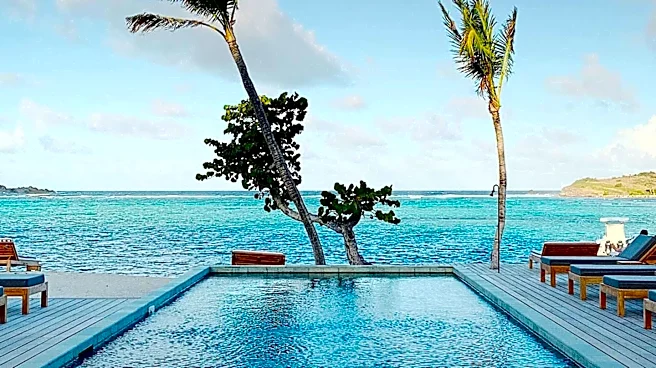
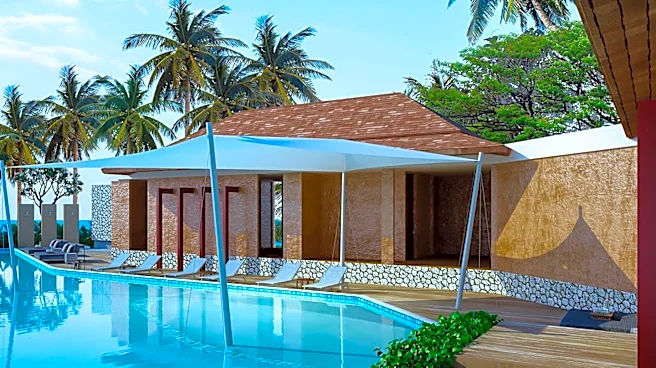
service. Aman properties, such as Amanera in the Dominican Republic, are designed to provide a serene and secluded experience, often featuring private pools and minimal distractions. The company focuses on building long-term relationships with its guests, remembering individual preferences and offering unique experiences like access to members-only golf courses or sports clinics with renowned athletes. This strategy contrasts with high-volume luxury, prioritizing an intimate and tailored stay over widespread accessibility or overt branding.
Why It's Important?
Aman Group's success with its 'quiet luxury' model highlights a significant trend in the U.S. luxury travel market: a growing demand for exclusive, private, and highly personalized experiences. This shift impacts the hospitality industry by pushing competitors to re-evaluate their offerings and focus on bespoke services rather than just amenities. For the ultra-affluent, the value proposition of privacy and tailored attention outweighs the high cost, indicating a market segment willing to pay a premium for discretion and unique access. This trend also influences regional economies, particularly in destinations like the Dominican Republic, where Aman's presence can attract high-net-worth individuals and stimulate investment in luxury tourism infrastructure, such as private airports and real estate developments. The emphasis on building relationships over loyalty programs also challenges traditional hospitality models.
What's Next?
Aman Group plans further global expansion, with new resorts in locations like the Bahamas and Baja, Mexico, indicating a continued belief in the 'quiet luxury' model. The company will need to carefully balance its growth with maintaining the exclusivity and personalized service that define its brand. Other luxury hotel chains may attempt to emulate Aman's approach, leading to increased competition in the ultra-luxury segment. We can expect to see more emphasis on unique, curated experiences and discreet service across the high-end travel sector. The investment in surrounding infrastructure, such as private airports near Aman properties, suggests a future where luxury travel is increasingly seamless and tailored to the specific needs of affluent travelers. The concept of 'experience travel' as the 'new Birkin' will likely drive further innovation in luxury service offerings.
Beyond the Headlines
The 'quiet luxury' phenomenon in travel, as exemplified by Aman Resorts, reflects a deeper psychological and sociological shift among the wealthy. In an increasingly interconnected and public world, privacy and anonymity have become the ultimate luxuries. The desire to escape constant digital scrutiny and the 'noise' of everyday life drives the appeal of secluded, high-end retreats. This trend also speaks to a redefinition of status, where understated elegance and exclusive experiences are valued more than overt displays of wealth. The 'Aman Junkie' phenomenon, where guests become deeply loyal without formal programs, illustrates the power of exceptional service and emotional connection in building brand allegiance. This suggests a move towards a more discerning and introspective form of luxury consumption, where personal well-being and unique moments take precedence over material possessions.