

What's Happening?
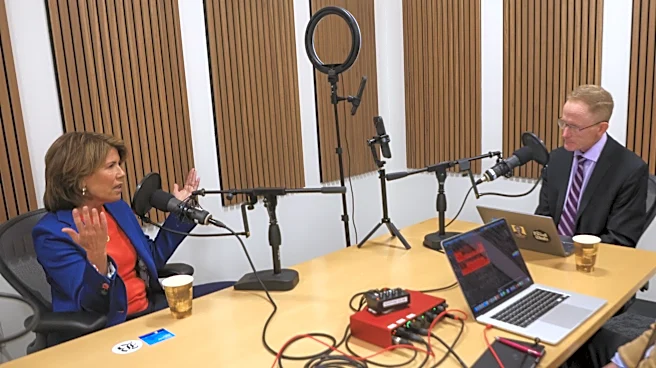
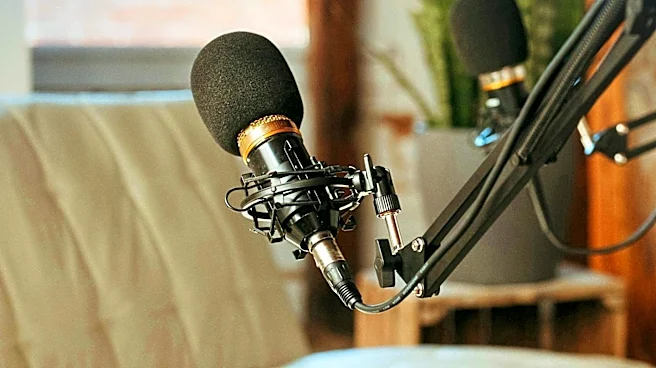
Abigail De Kosnik, a UC Berkeley professor and chair in the Department of Theater, Dance and Performance Studies, and a professor in the Berkeley Center for New Media, is exploring the fragmented media landscape and the importance of diversity and representation
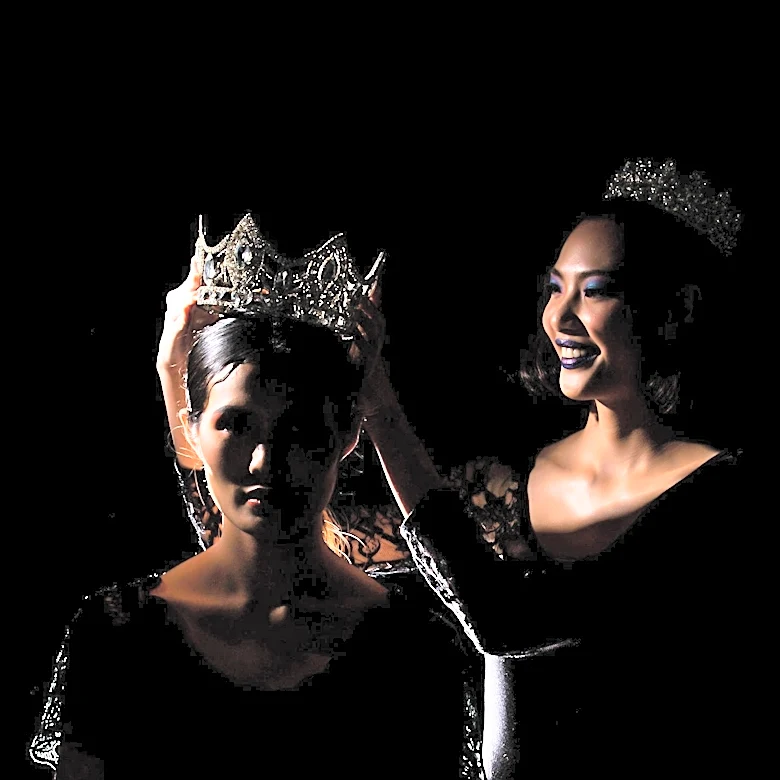
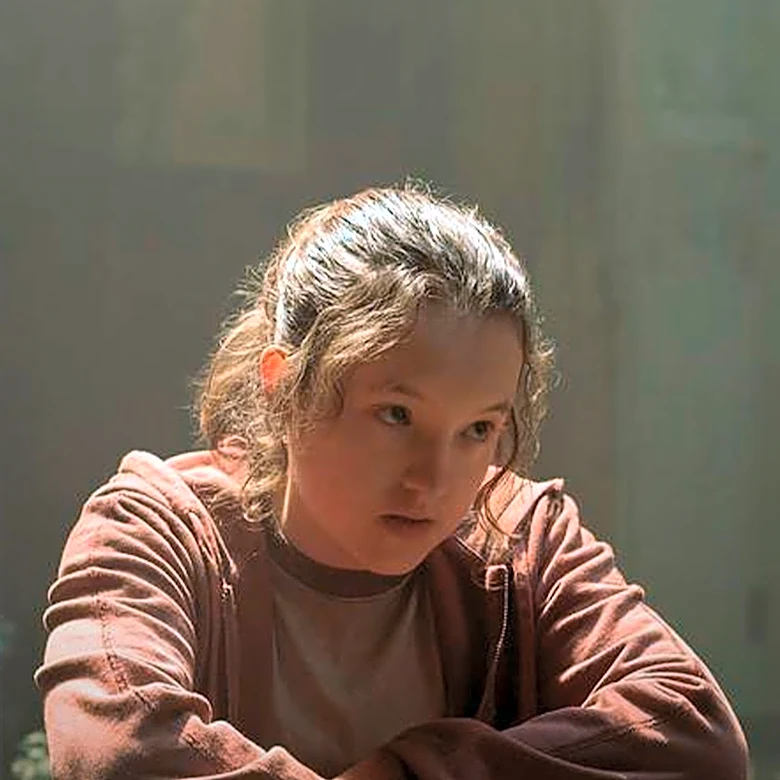
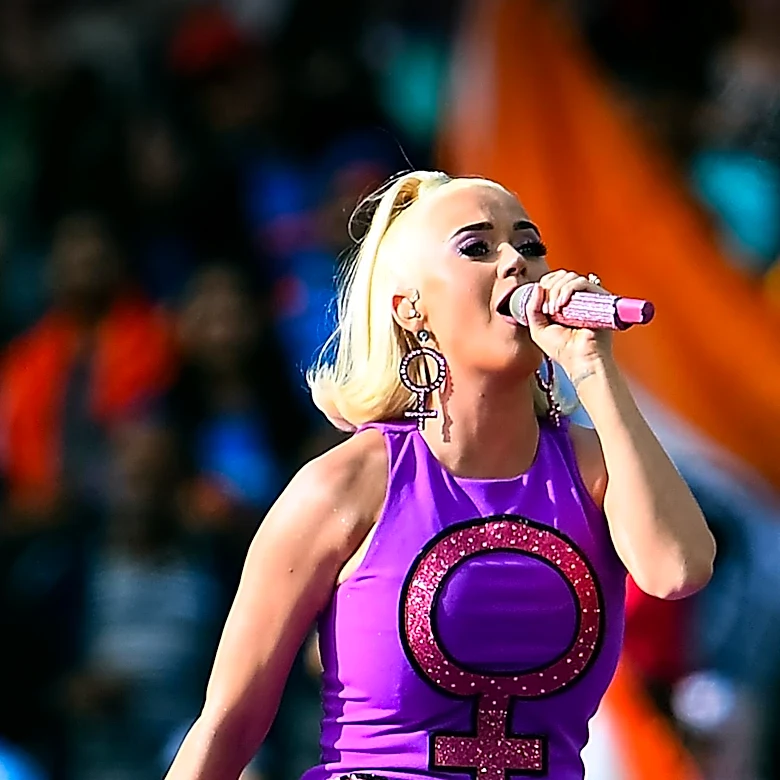
in content. In a podcast, she discusses how the media environment has evolved from a few dominant networks in the 'network era' (1950s-1990s) to thousands of options today, leading to individualized 'media bubbles.' De Kosnik, who runs the Media Education Research Lab (MERL), emphasizes that 'good representation' means portraying the fullness of people, including imperfections, and believes that media should aim to represent the country's richness to attract more viewers and educate the public. Her lab tags and scores movies and TV shows for diversity, assessing factors like ethnicity, gender, sexuality, age, and nationality of top characters, and identifying biases like tokenism or ageism.
Why It's Important?
Professor De Kosnik's work is crucial for understanding the impact of the modern media landscape on society and culture. The shift from a few networks to a multitude of platforms has fractured public discourse, potentially leading to echo chambers where individuals are primarily exposed to content that reinforces their existing views. Her focus on 'good representation' highlights the need for media to reflect the diverse realities of the U.S. population, which can foster empathy, understanding, and a sense of belonging for underrepresented groups. By identifying biases and scoring content, MERL provides a valuable tool for both creators and consumers to critically evaluate media, promoting more inclusive storytelling. This research has implications for media production, audience engagement, and the broader societal impact of what people watch and consume.
What's Next?
Professor De Kosnik's Media Education Research Lab continues its work, with students currently tagging and scoring YouTube shorts to assess misogyny, supported by a Google Academic Research Award. She hopes to secure more funding to expand their research on movies and TV shows. De Kosnik also advocates for a 'participatory culture' where audiences become creators, envisioning a future with a democratization of media production and a wider variety of stories and protagonists. For consumers, she recommends looking beyond mainstream award lists to those focused on specific communities (e.g., NAACP, GLAAD awards) and exploring independent films and trade papers to discover diverse content. The ongoing evolution of media, including the rise of short-form content like TikTok, suggests a continuous need for such research and critical evaluation.
Beyond the Headlines
The fragmentation of the media landscape, as discussed by Professor De Kosnik, has profound implications for social cohesion and cultural understanding. While increased options offer more diverse content, they also risk isolating individuals within their own 'media bubbles,' potentially exacerbating societal divisions. The concept of 'good representation' extends beyond mere visibility; it challenges media creators to move beyond stereotypes and portray complex, multi-dimensional characters from all backgrounds. This effort is not just about fairness but also about the commercial viability and cultural relevance of media in an increasingly diverse nation. The work of MERL provides a framework for media literacy, empowering audiences to demand and recognize authentic representation. Ultimately, the future of media, as envisioned by De Kosnik, involves a more inclusive and democratized production process, where diverse voices can tell their own stories, fostering a richer and more representative cultural narrative for the U.S.