

What's Happening?
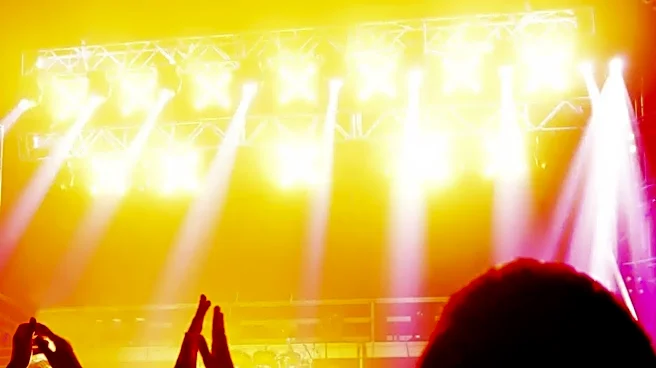
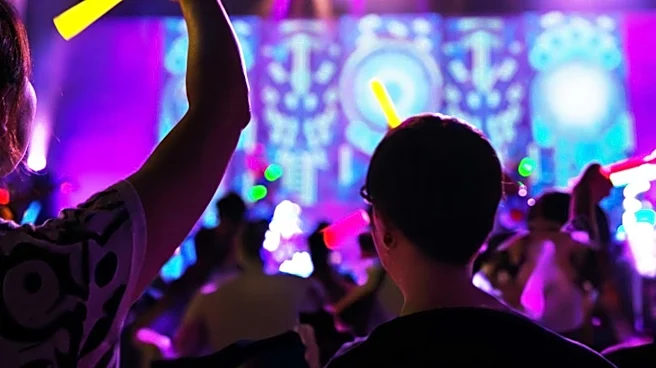
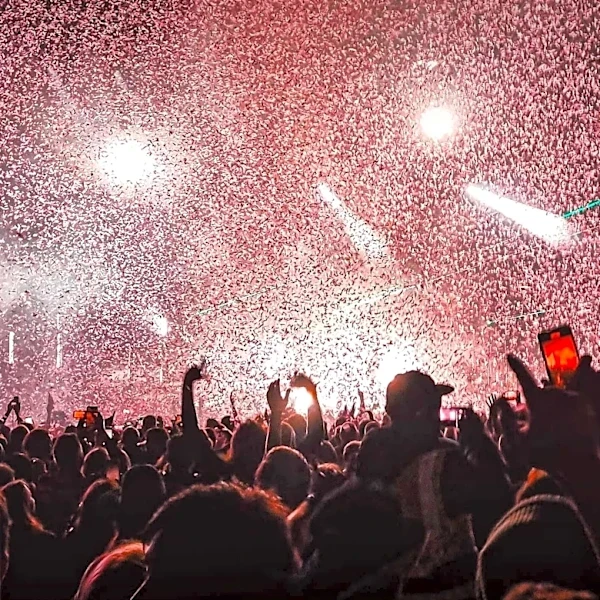
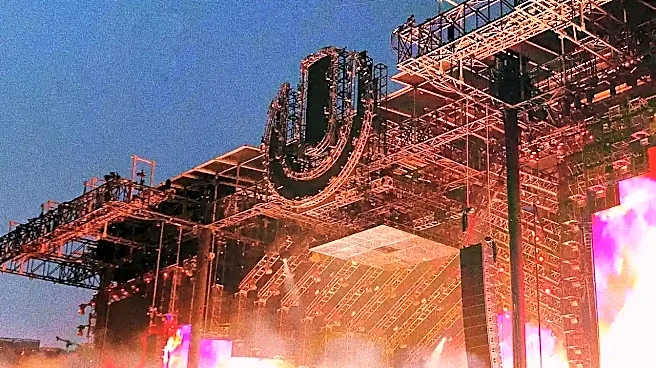
Rave culture, centered around electronic dance music (EDM), has evolved significantly over the decades. Initially characterized by underground, informal gatherings in warehouses and fields, raves have transformed into large-scale, professionally organized
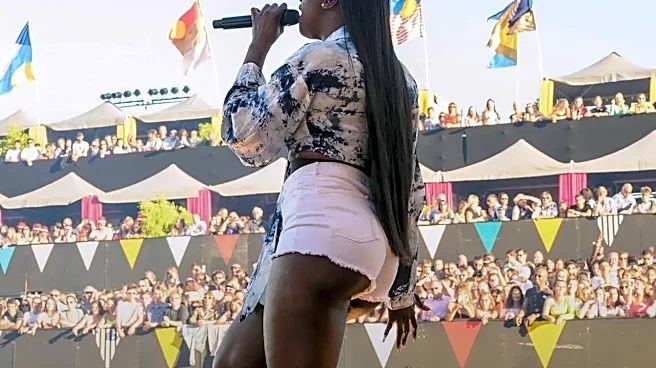
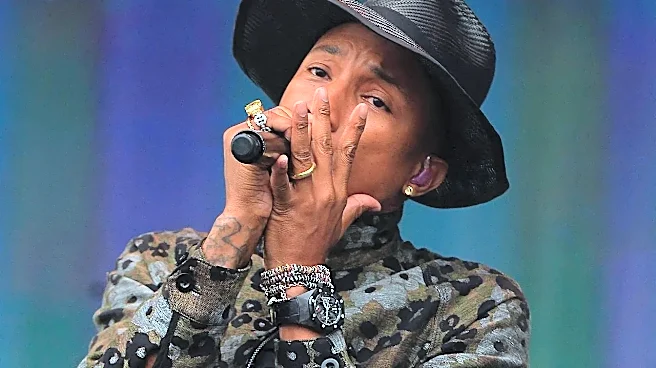
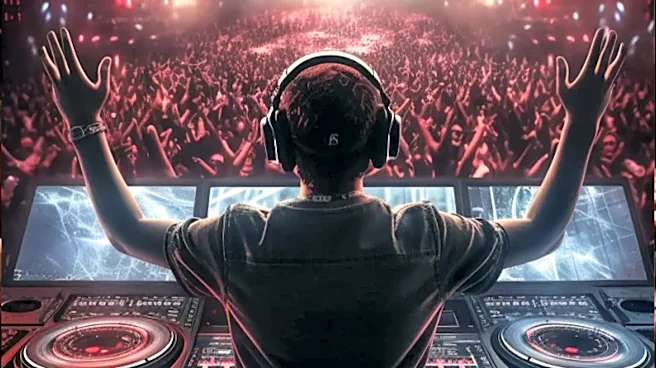
events. The culture is defined by its core elements: continuous electronic music, immersive lighting and sound production, and a strong sense of community, often encapsulated by the ethos of Peace, Love, Unity, and Respect (PLUR). The 2000s and 2010s saw EDM's rise to mainstream popularity, with DJs becoming global headliners and festivals becoming major cultural events. This shift has made electronic music more accessible but has also led to debates about the commercialization of rave culture.
Why It's Important?
The evolution of rave culture reflects broader societal changes, including the commercialization of subcultures and the integration of underground movements into mainstream entertainment. This transition has implications for the music industry, as it highlights the tension between maintaining cultural authenticity and achieving commercial success. The rise of EDM festivals has also impacted local economies, tourism, and the music festival industry, creating new opportunities for artists and businesses. However, it raises questions about the sustainability of large-scale events and the preservation of the original values of rave culture.