





What's Happening?
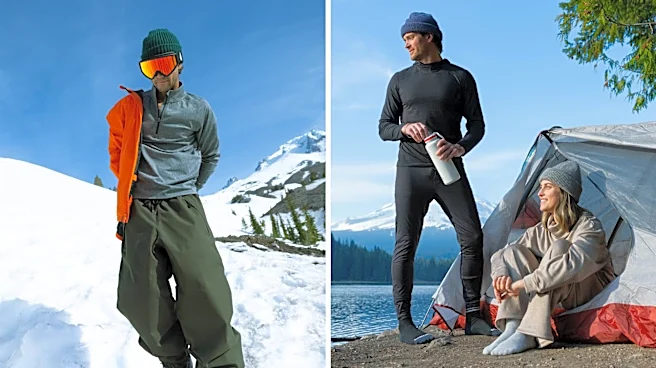
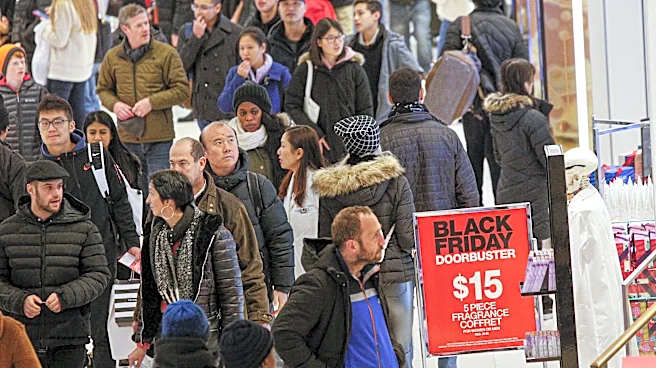
Patagonia is actively promoting the reuse of outdoor gear through its Worn Wear initiative, particularly in the context of Black Friday sales. This approach encourages consumers to consider second-hand items as an alternative to purchasing new products.
The company's long-standing commitment to the circular economy aims to reduce the environmental impact associated with manufacturing new gear, which requires significant energy and raw materials. The Worn Wear program is part of a broader trend among outdoor brands that are establishing dedicated resale and refurbishment programs. These initiatives often involve professional inspection, cleaning, testing, and repairs, with some manufacturers offering warranties similar to those on new products. This not only provides a more sustainable consumption model but also offers consumers cost savings.
Why It's Important?
This initiative is important because it highlights a growing shift towards sustainable consumption within the retail sector, particularly in the outdoor gear industry. By championing second-hand sales, Patagonia and other brands are addressing the environmental concerns associated with product manufacturing and waste. This movement encourages consumers to rethink their purchasing habits, moving away from a purely linear consumption model towards one that prioritizes reuse and longevity. The availability of professionally inspected and refurbished gear, often with warranties, builds consumer confidence in second-hand markets. This can lead to significant economic benefits for consumers through cost savings, while also fostering a more environmentally conscious marketplace. The trend could influence other industries to adopt similar circular economy practices, promoting broader sustainability efforts.
What's Next?
The continued promotion of second-hand gear by Patagonia and other brands suggests a potential expansion of circular economy models within the retail industry. As consumer awareness of environmental impact grows, more companies may invest in refurbishment and resale programs. This could lead to increased availability of high-quality, pre-owned products across various sectors, making sustainable choices more accessible and affordable for consumers. The success of initiatives like Worn Wear might also encourage policy discussions around product longevity, repairability, and waste reduction. Furthermore, the competitive landscape could shift, with brands that embrace sustainability gaining a stronger market position among environmentally conscious consumers. The focus on Black Friday for these initiatives indicates a strategic effort to integrate sustainable practices into peak shopping periods.
Beyond the Headlines
The emphasis on second-hand gear by Patagonia delves deeper than just environmental sustainability; it challenges the prevailing consumer culture of constant new purchases. This movement encourages a re-evaluation of value, where the lifespan and utility of a product are prioritized over its newness. Ethically, it promotes responsible consumption and production, aligning with principles of resource conservation and waste reduction. Legally, as these programs expand, there might be a need for clearer regulations regarding warranties, quality standards, and consumer protection for refurbished goods. Culturally, it could foster a greater appreciation for craftsmanship and durability, shifting societal norms towards valuing repair and reuse. This long-term shift could lead to a more resilient and less wasteful economy, impacting design, manufacturing, and consumer behavior across various industries.