



What's Happening?
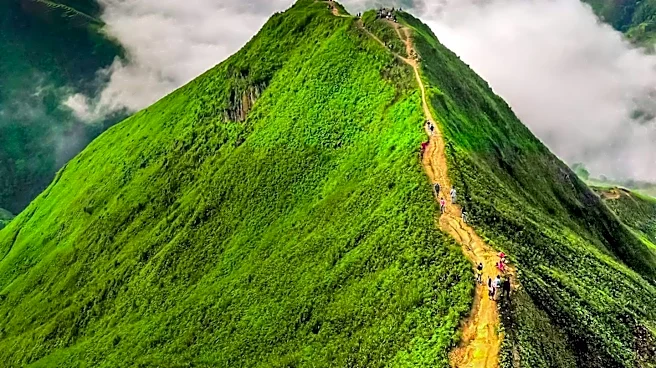
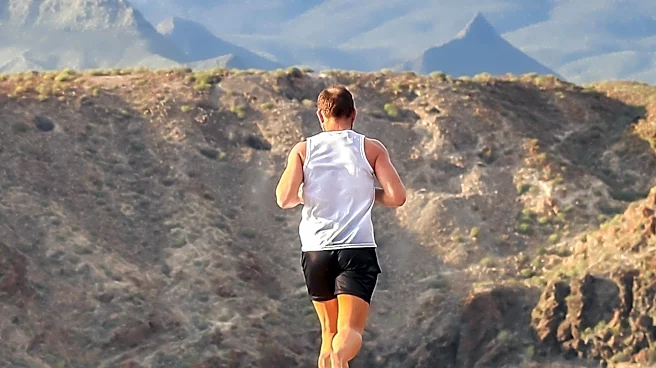
The Triple Tree loop in Bozeman, Montana, presents a challenging yet rewarding outdoor experience for trail runners and cyclists. The trail, which can be accessed from downtown Bozeman via the Painted Hills trail, involves a significant climb that tests
endurance. After an initial sun-exposed meadow climb from town, the Triple Tree loop itself features a more intense ascent. Despite gaining less than 1,000 feet of elevation on the Triple Tree loop, when combined with the 635 feet from the Painted Hills' gradual incline, the total elevation gain is sufficient to provide expansive views of the Gallatin Valley. The descent from Triple Tree offers an exhilarating experience, with pleasant foliage and the aroma of fall in the air during this time of year. The entire 'Painted Hills-Triple Tree lollipop loop' is described as an exhausting but fulfilling adventure, emphasizing the importance of carrying water and snacks for the journey.
Why It's Important?
This trail review highlights the growing appeal of accessible outdoor recreation within U.S. communities, particularly in areas like Bozeman that blend urban living with natural landscapes. The 'Main Street to the Mountains' system, envisioned by the Gallatin Valley Land Trust (GVLT), underscores a broader trend of integrating natural spaces with urban infrastructure to promote public health and well-being. The availability of such challenging yet rewarding trails close to residential areas can significantly enhance the quality of life for residents and attract outdoor enthusiasts, boosting local economies through tourism and recreational spending. The emphasis on land easements secured by GVLT also points to the critical role of conservation efforts and public-private partnerships in preserving natural access points for future generations. This model of urban-adjacent wilderness access can serve as a blueprint for other U.S. cities looking to develop their outdoor recreational offerings.
What's Next?
The popularity of trails like the Triple Tree loop will likely lead to increased demand for similar recreational infrastructure in and around U.S. cities. Local land trusts and conservation organizations may seek to expand their efforts in securing easements and developing new trail systems that connect urban centers with natural environments. There could be a greater focus on public education regarding trail etiquette and safety, particularly concerning hydration and preparedness, given the challenges highlighted in the review. As more people engage in outdoor activities, local businesses catering to hikers, bikers, and runners (e.g., gear shops, cafes) may see increased patronage. Furthermore, the success of such initiatives could influence urban planning to prioritize green spaces and pedestrian/cyclist-friendly routes, fostering healthier and more active communities. Continued collaboration between land trusts, local governments, and private landowners will be crucial for the sustained growth and accessibility of these recreational assets.
Beyond the Headlines
The experience of the Triple Tree loop, particularly the personal anecdote about the importance of hydration, subtly underscores a broader theme of personal responsibility and preparedness in engaging with nature. It highlights the need for individuals to respect the demands of the environment, even when trails are easily accessible from urban areas. The mention of the Gallatin Valley Land Trust's vision of 'Main Street to the Mountains' reflects a philosophical shift towards viewing natural landscapes not as separate entities but as integral extensions of community life. This integration can foster a deeper connection between residents and their local environment, potentially leading to increased environmental stewardship and advocacy. The 'euphoric descent' described in the review also touches upon the psychological benefits of outdoor physical activity, such as stress reduction and a sense of accomplishment, which are increasingly valued in modern society. This trend suggests a growing recognition of the holistic benefits of nature access for mental and physical well-being.