





What's Happening?
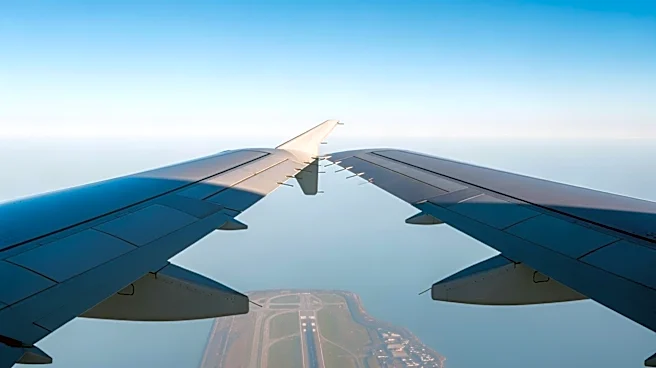
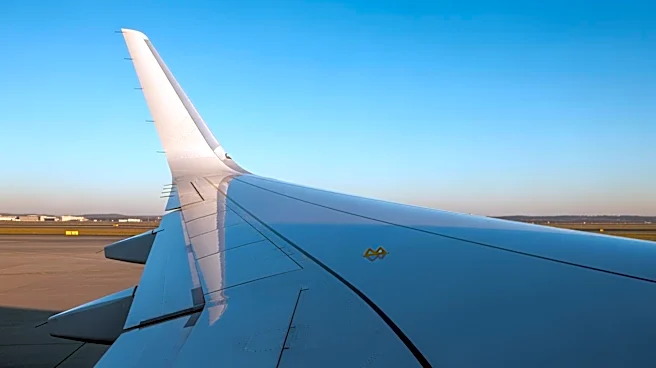
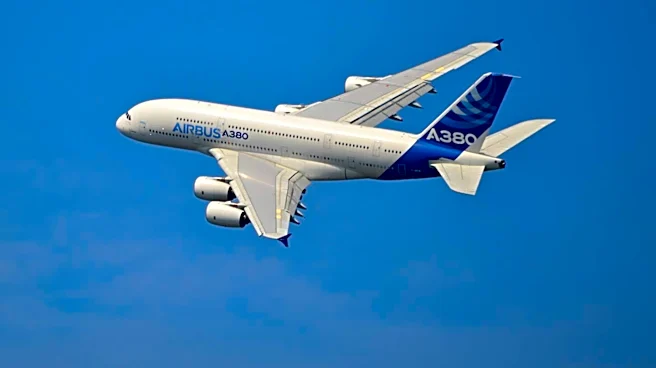
Qantas Airways is conducting inspections on one of its Airbus A380 aircraft following a directive from the European Union Aviation Safety Agency (EASA). The directive was issued after cracks were discovered in a structural component inside the wings of some
Airbus A380s, raising concerns about their long-term structural integrity. The affected Qantas aircraft, registered as VH-OQI, is currently undergoing heavy maintenance in Germany. The inspections are part of a global safety program initiated by aviation regulators to ensure the airworthiness of these large passenger aircraft. The European directive requires detailed inspections within strict timeframes before the aircraft can continue operating. Qantas has stated that there will be no impact on its current operations as the aircraft was already scheduled for maintenance.
Why It's Important?
The inspections are crucial for maintaining the safety and reliability of the Airbus A380 fleet, which is a cornerstone of Qantas' long-haul operations. The A380s are popular among travelers for their spacious cabins and quieter onboard experience. Ensuring their structural integrity is vital for passenger safety and the airline's reputation. The directive affects a limited number of aircraft, but it highlights the importance of rigorous safety checks in the aviation industry. For Qantas, compliance with the directive is essential to avoid disruptions in its flight schedules and maintain customer confidence. The airline plans to keep the A380s in service into the early 2030s, making these inspections a critical part of its fleet management strategy.
What's Next?
Qantas will continue to comply with the EASA directive and any additional requirements that may arise from the inspections. The airline is also evaluating its long-term fleet strategy, which includes the potential replacement of the A380s with newer models like the Airbus A350s or Boeing 787s. This decision will be influenced by the outcomes of the current inspections and the overall performance of the A380s. The aviation industry will be closely monitoring the situation, as similar inspections may be required for other airlines operating the A380. The findings could lead to further regulatory actions or design modifications to enhance the aircraft's safety.