



What's Happening?
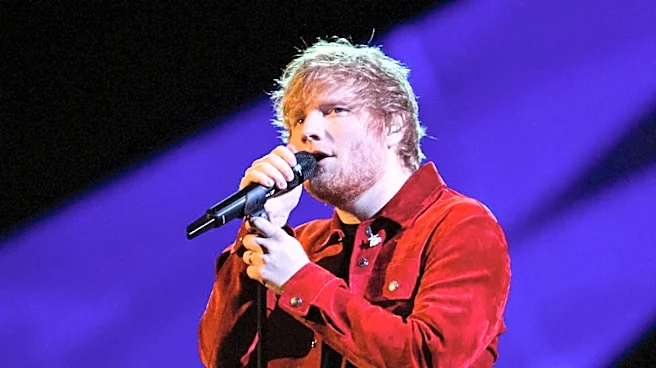
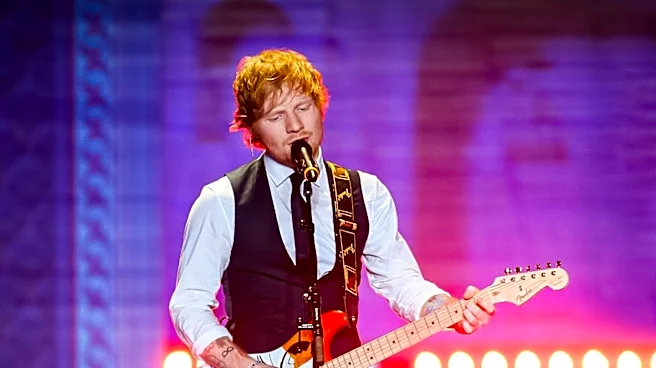
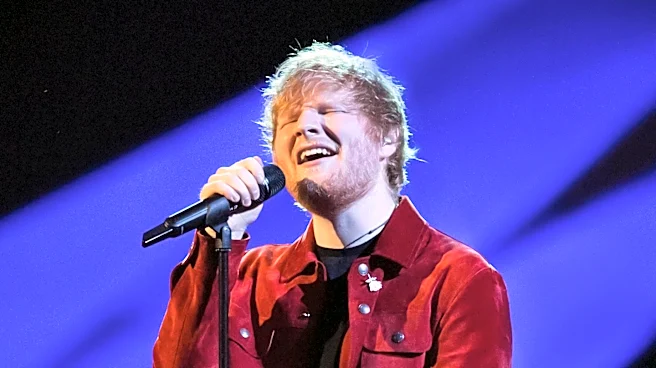
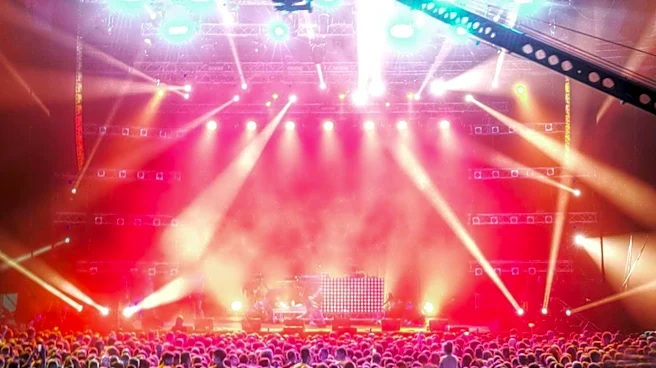
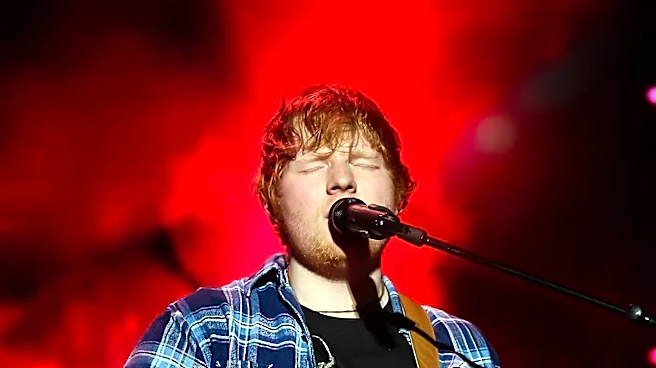
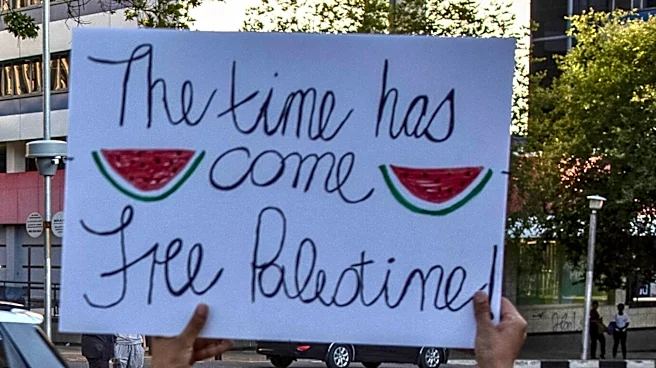
During his performance at Ed Sheeran’s Loop Tour in New Jersey, Macklemore reiterated his 'Free Palestine' stance, clarifying that his message is not a criticism of Jewish people. The Grammy-winning artist stated on stage, “To all of my Jewish brothers
and sisters; criticism of Israel, criticism of apartheid, being against genocide, in no way is a criticism of you.” He emphasized that his message is for peace, love, and the dignified treatment of all human beings. Macklemore also introduced his protest song 'Hind’s Hall,' which supports pro-Palestinian protests on college campuses. This clarification comes after the Israeli-American Council initiated a petition calling for his removal from the tour, arguing that his performances were turning concerts into political rallies.
Why It's Important?
Macklemore's public clarification is important because it attempts to de-escalate tensions and foster understanding in a highly polarized debate. By explicitly separating his criticism of Israeli policies from any criticism of Jewish people, he addresses a common concern that pro-Palestinian advocacy can be perceived as antisemitic. This distinction is crucial for promoting constructive dialogue and preventing the conflation of political criticism with religious or ethnic prejudice. His use of a major platform like a concert tour to express these views highlights the role of artists in social and political commentary, and the potential for their messages to influence public opinion. The controversy also underscores the challenges of navigating complex geopolitical issues in public spaces, particularly when they involve deeply held beliefs and identities.
What's Next?
Macklemore's continued advocacy and clarification may influence how other public figures approach the Israeli-Palestinian conflict, potentially encouraging more nuanced discussions. The petition for his removal from the Ed Sheeran tour indicates ongoing pressure from groups with differing viewpoints, and it remains to be seen how this will affect his future performances or collaborations. The debate surrounding his statements is likely to continue, reflecting broader societal discussions about freedom of speech, artistic expression, and the responsibilities of public figures. This event could also prompt further conversations within the entertainment industry about the boundaries of political expression during live performances and the potential impact on audiences and fellow artists.
Beyond the Headlines
Macklemore's statements and the subsequent reactions delve into the complex and often fraught relationship between political activism, artistic expression, and identity. The controversy highlights the difficulty of discussing the Israeli-Palestinian conflict without being accused of antisemitism, a challenge many activists and public figures face. His attempt to draw a clear line between criticism of a state's actions and prejudice against a religious group is a significant, albeit difficult, endeavor in a climate where these distinctions are often blurred. This situation also reflects a broader cultural shift where artists are increasingly expected, or choose, to use their platforms to address social and political issues, moving beyond purely entertainment roles. The public's reaction, both supportive and critical, underscores the deep divisions and sensitivities surrounding this global conflict within the U.S. and internationally.