






What's Happening?
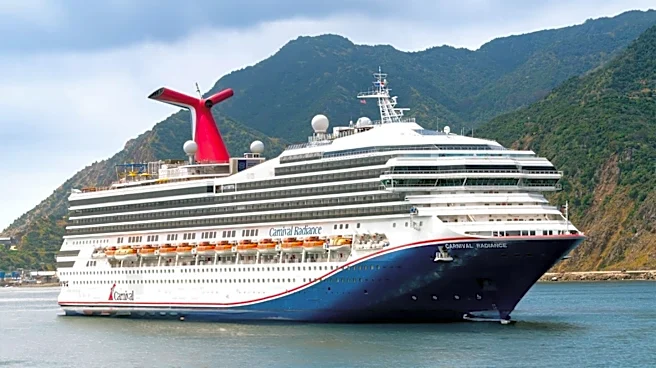
A family of four recently embarked on a six-night Carnival Panorama cruise, discovering that the cheapest available option provided a highly satisfying and budget-friendly vacation experience. The trip, which included stops in Cabo and Ensenada, cost
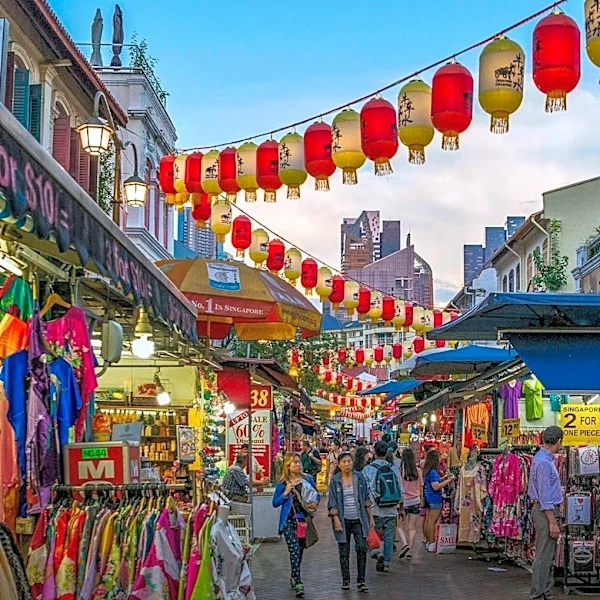
approximately $466 per person, covering taxes and gratuities for a balcony cabin. Instead of purchasing add-on excursions, the family opted to explore the port cities independently, visiting local playgrounds, coffee shops, beaches, and taco stands. This approach not only saved them hundreds of dollars but also allowed them to travel at their own pace. Onboard, they were impressed by the quality and variety of food, including numerous sit-down restaurants and a buffet that exceeded expectations. The cruise also offered a wide array of free entertainment, such as story time, mini-golf, trivia, and live music, ensuring there were plenty of activities for both children and adults.
Why It's Important?
This experience highlights a significant trend in the U.S. travel industry: the increasing demand for affordable yet high-quality vacation options, particularly for families. As economic pressures continue to influence consumer spending, cruise lines that can offer value-driven packages without compromising on essential amenities like food and entertainment are likely to attract a broader demographic. The family's decision to forgo expensive pre-planned excursions in favor of independent exploration also points to a growing consumer preference for personalized travel experiences and cost-saving strategies. This could encourage cruise operators to rethink their excursion offerings, potentially leading to more flexible or customizable options, or to emphasize the value of onboard activities and self-guided port visits. For families, this demonstrates that memorable vacations are accessible even on a tight budget, challenging the perception that cruises are exclusively a luxury travel option.
What's Next?
The positive feedback from this family's budget cruise experience could influence future booking trends, potentially increasing demand for similar cost-effective cruise packages. Cruise lines like Carnival may see a rise in bookings from families seeking affordable vacation alternatives, especially if they continue to offer robust onboard amenities and flexible port-day options. This could also prompt competitors to introduce more budget-friendly itineraries or enhance their value propositions to attract this segment of the market. Furthermore, the success of independent port exploration might lead to more resources or information being provided by cruise lines to assist passengers in planning their own shore activities, rather than solely promoting their own excursions. The family's stated intention to book another Carnival cruise, possibly to Alaska, suggests a strong potential for repeat business and positive word-of-mouth marketing for the cruise line.
Beyond the Headlines
This story subtly underscores a shift in consumer values, where the emphasis is less on extravagant spending and more on maximizing value and creating authentic experiences. The family's enjoyment stemmed not from luxury, but from the convenience of all-inclusive food, diverse entertainment, and the freedom to explore at their leisure. This reflects a broader cultural movement towards mindful consumption and experiential travel, where the 'best' vacation isn't necessarily the most expensive, but the one that offers the most personal satisfaction and stress-free enjoyment. For the travel industry, this implies that understanding and catering to these evolving consumer priorities—such as providing quality basics, diverse free activities, and opportunities for independent exploration—will be crucial for long-term success, rather than solely relying on upselling premium services.