




What's Happening?
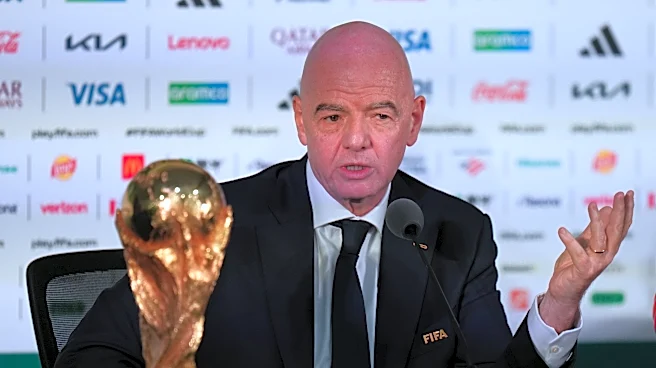
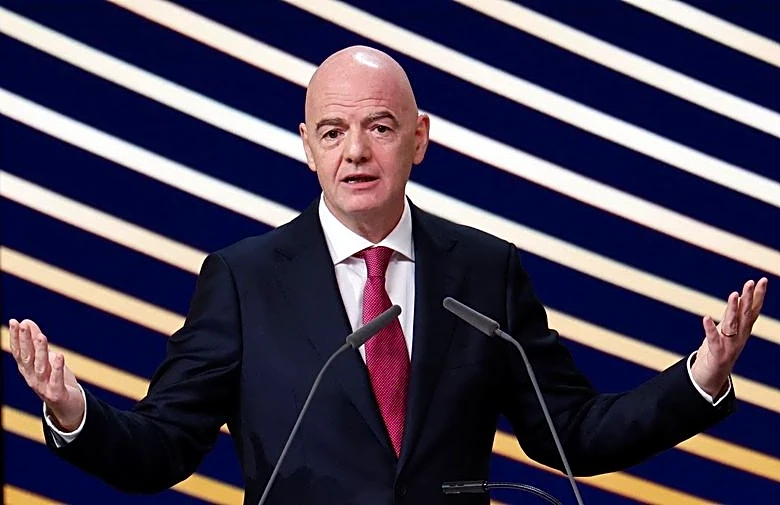
FIFA President Gianni Infantino announced that the organization has decided to abandon its plan to sell a 20% stake in a new unit managing FIFA events, including the World Cup, to private investors. This decision follows significant opposition from UEFA,
the governing body for European soccer, which threatened to boycott FIFA competitions. The proposal, initially aimed at raising $4.2 billion, was criticized for potentially commercializing the sport's essence. Infantino emphasized that the plan had created divisions and was no longer aligned with FIFA's objectives of unity and improvement. The backlash also led to the resignation of Infantino's senior adviser, Carlos Cordeiro, who labeled the plan as detrimental to football.
Why It's Important?
The decision to scrap the plan underscores the influence and power of European soccer bodies like UEFA in global football governance. The proposal's failure highlights the tension between commercial interests and the preservation of the sport's integrity. Had the plan proceeded, it could have set a precedent for further commercialization of major sporting events, potentially altering the landscape of international soccer. The backlash from UEFA and other associations reflects a broader resistance to treating the World Cup as a mere investment product, emphasizing the need to maintain the sport's cultural and social significance.
What's Next?
FIFA plans to engage with all stakeholders to foster unity and continue the development of football globally, particularly in regions needing support. Infantino's leadership will be under scrutiny as he seeks re-election next year, with potential challenges from figures like North American football chief Victor Montagliani. The organization will need to navigate internal and external pressures to maintain its leadership and credibility in the soccer world.
Beyond the Headlines
The controversy highlights the ethical considerations in sports management, particularly the balance between financial growth and maintaining the sport's core values. The incident may prompt a reevaluation of how major sports organizations engage with private investors and manage commercial interests. It also raises questions about governance and decision-making processes within FIFA, potentially influencing future policy and leadership dynamics.