





What's Happening?
The 1957 Laurel Canyon home previously rented by Grammy-winning producer Tom Hull, known as Kid Harpoon, is now listed for sale at $2.5 million. Hull, who produced hits like Harry Styles' 'Harry's House' and Miley Cyrus' 'Flowers,' used the three-bedroom
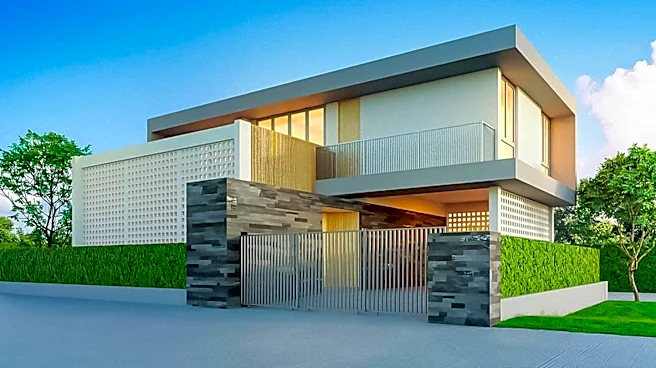
property as a workspace, converting several areas into production spaces. The house, located at 2143 Ridgemont Drive, is notable for its connection to the music industry; 'Ridgemont High' is listed as a Los Angeles recording location in the credits for Miley Cyrus’ 'Endless Summer Vacation,' and 'Ridgemont Studio' appears in credits for Harry Styles’ 'Kiss All the Time. Disco, Occasionally.' The property features a view of the Hollywood sign, a 1,250-square-foot backyard deck with an outdoor kitchen, and a midcentury design with floor-to-ceiling Fleetwood sliders. Recent renovations include updated bathrooms, new hardwood flooring, lighting, fresh paint, and a new drip irrigation system for drought-tolerant landscaping. Listing agent Trey Alligood of Douglas Elliman notes significant buyer interest in the property during its first week on the market.
Why It's Important?
This listing highlights the enduring appeal and historical significance of Laurel Canyon as a hub for creative talent in the music industry. The sale of a property with direct ties to contemporary Grammy-winning artists like Kid Harpoon, Harry Styles, and Miley Cyrus underscores the value placed on homes with a rich cultural narrative in the Los Angeles real estate market. For potential buyers, owning such a property offers more than just square footage; it provides a connection to a storied musical legacy that dates back to artists like Joni Mitchell and Cass Elliot. This trend suggests that properties with verifiable historical or cultural significance can command premium prices, even in a selective market, as they offer a unique intangible asset that new constructions cannot replicate. The rapid interest in the home also indicates a strong demand for well-priced and well-presented properties with unique stories, reflecting a broader market trend where buyers seek value beyond mere physical attributes.
What's Next?
Given the initial strong buyer interest, the property is likely to sell quickly, potentially setting a benchmark for similar historically significant homes in the Laurel Canyon area. The sale could further solidify the neighborhood's reputation as a desirable location for those seeking a blend of luxury living and cultural heritage. Real estate agents in the region may leverage the success of this listing to market other properties with similar artistic connections, emphasizing their unique stories and historical value. For the music industry, the continued use of residential properties as creative workspaces, as demonstrated by Kid Harpoon, suggests a trend where artists and producers seek inspiring and private environments for their work, potentially influencing future real estate developments or renovations in creative communities. The new owners will inherit a piece of music history, and it remains to be seen if they will continue the property's legacy as a creative space or transform it for other uses.
Beyond the Headlines
The sale of Kid Harpoon's former rental property in Laurel Canyon transcends a typical real estate transaction, touching upon the broader cultural phenomenon of how physical spaces become imbued with artistic legacy. This home represents a tangible link between past and present musical eras, from the 1960s folk scene to today's pop chart-toppers. It highlights the intangible value that 'story' adds to real estate, transforming a house into a piece of cultural artifact. This phenomenon raises questions about the preservation of such spaces and their role in inspiring future generations of artists. Furthermore, it underscores the evolving nature of creative workspaces, moving beyond traditional studios into more intimate, residential settings. The market's enthusiastic response to this listing suggests a growing appreciation for properties that offer a connection to cultural history, potentially influencing architectural preservation efforts and the marketing strategies for homes in artistically significant neighborhoods across the U.S.