





What's Happening?
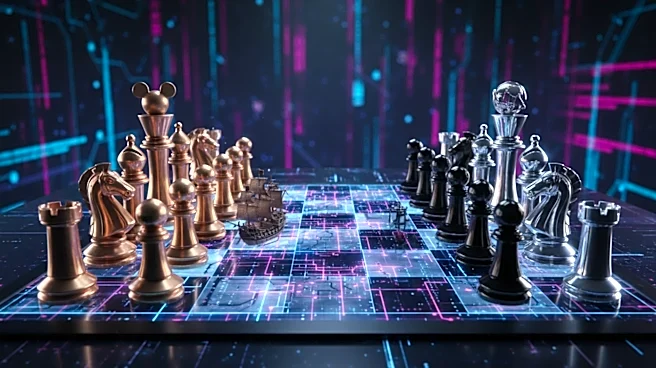
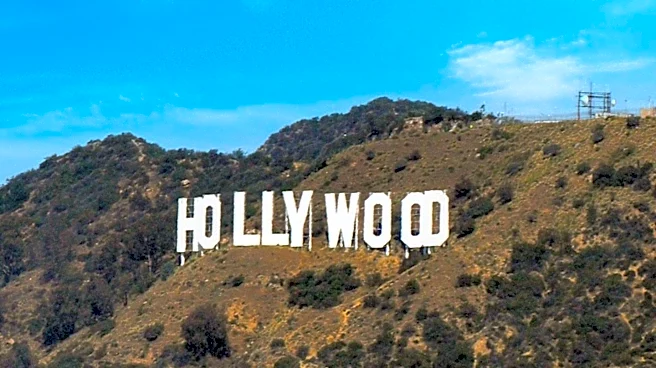
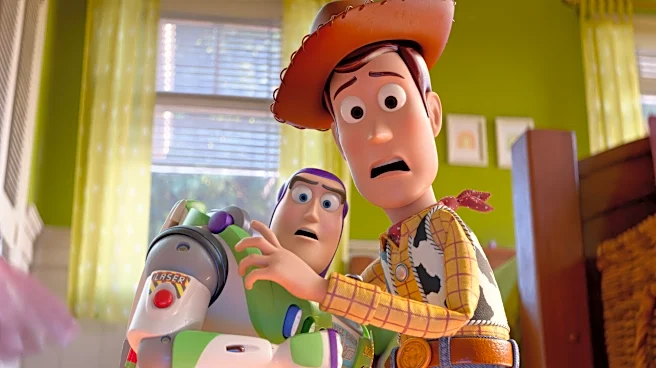
Midjourney, an AI company specializing in image generation, is embroiled in a legal battle with major Hollywood studios, including Disney, Universal, and Warner Bros, over copyright infringement claims. The studios allege that Midjourney's AI models,
which generate images based on publicly available content, infringe on their copyrighted characters. In response, Midjourney has filed a motion to compel the studios to disclose their own use of AI, arguing that if the studios engage in similar practices, it would support Midjourney's defense of fair use. The case hinges on the interpretation of fair use in the context of AI, a legal area that remains unsettled.
Why It's Important?
This case is significant as it could set a precedent for how copyright law is applied to AI-generated content. The outcome may influence the boundaries of fair use, particularly in the rapidly evolving field of AI. If Midjourney's defense is successful, it could pave the way for broader acceptance of AI practices that involve using copyrighted material for training purposes. Conversely, a ruling against Midjourney could impose stricter limitations on AI companies, potentially stifling innovation. The case also highlights the tension between traditional media companies and emerging tech firms over intellectual property rights.
What's Next?
The U.S. District Court in California is expected to rule on Midjourney's motion to review the studios' AI practices. The decision will be closely watched by both the tech and entertainment industries, as it could impact ongoing and future litigation involving AI and copyright. Legal experts anticipate that the case may eventually reach higher courts, given its potential implications for copyright law. Meanwhile, the broader industry will continue to grapple with the ethical and legal challenges posed by AI technologies.
Beyond the Headlines
The case underscores the broader ethical debate about the use of copyrighted material in AI training. It raises questions about the balance between protecting intellectual property rights and fostering technological innovation. The outcome could influence how artists and creators perceive the use of their work in AI applications, potentially affecting collaboration and trust between the tech and creative sectors.