








What's Happening?
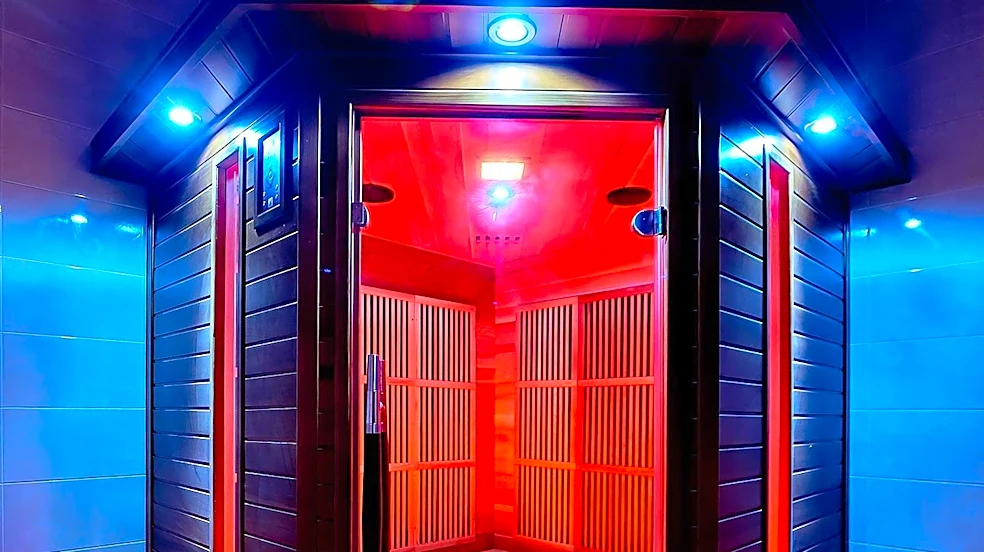
Infrared saunas operate by emitting infrared light energy that directly penetrates body tissue, leading to an internal rise in core temperature. This method differs significantly from traditional saunas, which heat the surrounding air to warm the body.
Infrared saunas typically maintain a temperature range of 110–135°F, which is considerably cooler than the 150–195°F found in traditional saunas. This lower temperature, combined with direct radiant heat, often makes infrared saunas feel milder and more comfortable, allowing users to stay in for longer durations. The direct heating mechanism causes the body to sweat, increases heart rate, and widens blood vessels, similar to traditional saunas, but with a gentler experience. They are frequently utilized for addressing muscle soreness, reducing stress, aiding post-training recovery, improving circulation, and providing skin benefits. Sessions typically last between 30 to 45 minutes, offering a prolonged period for relaxation and therapeutic effects.
Why It's Important?
The growing popularity of infrared saunas highlights a shift in wellness practices towards more accessible and comfortable heat therapy options. For individuals who find the intense heat of traditional saunas overwhelming, infrared saunas provide an alternative that still delivers similar physiological benefits, such as improved circulation and detoxification through sweating, but in a less strenuous environment. This accessibility can broaden the demographic of individuals who can regularly engage in sauna therapy, including those with heat sensitivities or those seeking a more prolonged relaxation experience. The focus on direct body warming rather than air heating also means that the air quality within the sauna can feel less oppressive, potentially enhancing the overall user experience and adherence to regular sessions. This trend reflects a broader consumer demand for wellness solutions that prioritize comfort and personalization.
What's Next?
As awareness and adoption of infrared sauna technology increase, further integration into home wellness routines, fitness centers, and spas is expected. Manufacturers may continue to innovate, developing more compact, energy-efficient, and user-friendly infrared sauna models suitable for diverse settings. Research into the specific long-term health benefits of infrared versus traditional saunas may also expand, providing more definitive guidance on their respective therapeutic applications. The market could see an increase in hybrid sauna options that combine infrared and traditional heating elements, offering users a customizable experience. Additionally, the pairing of infrared sauna sessions with other recovery modalities, such as cold plunges, is likely to become more prevalent as individuals seek comprehensive wellness protocols.
Beyond the Headlines
The rise of infrared saunas points to a deeper cultural trend towards personalized health and wellness, where individuals are seeking out specific modalities that align with their comfort levels and health goals. This technology underscores a move away from a 'one-size-fits-all' approach to health, emphasizing individual physiological responses and preferences. The gentler nature of infrared heat may also encourage a more meditative and mindful approach to sauna use, transforming it from a purely physical activity into a holistic practice for mental and emotional well-being. As technology continues to advance, the integration of smart features and personalized programming within infrared saunas could further enhance their appeal, making them a staple in modern wellness regimens and reflecting a broader societal investment in self-care and preventative health.