
What's Happening?
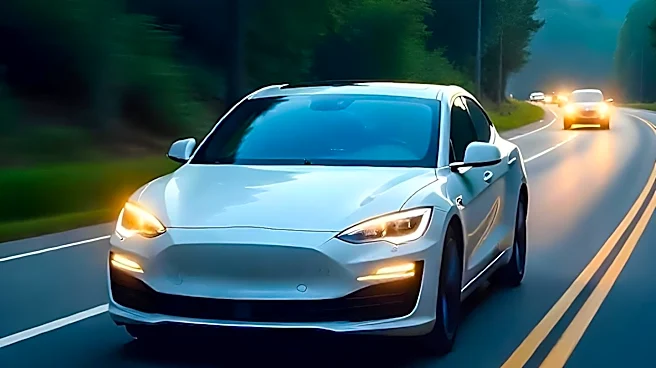
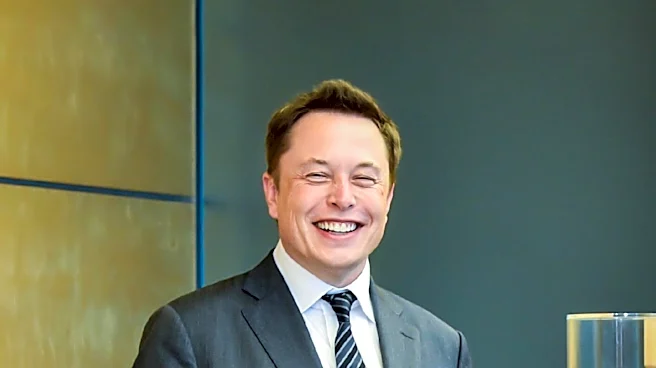
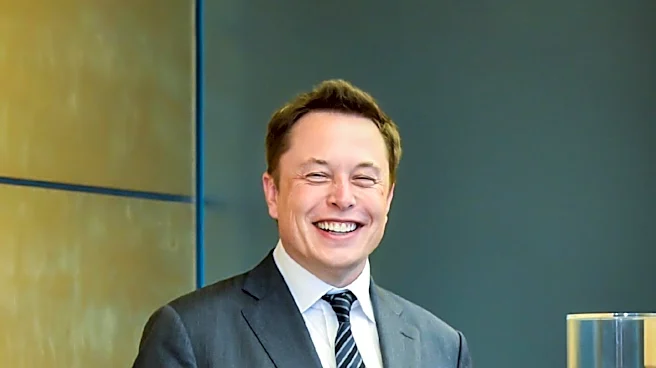
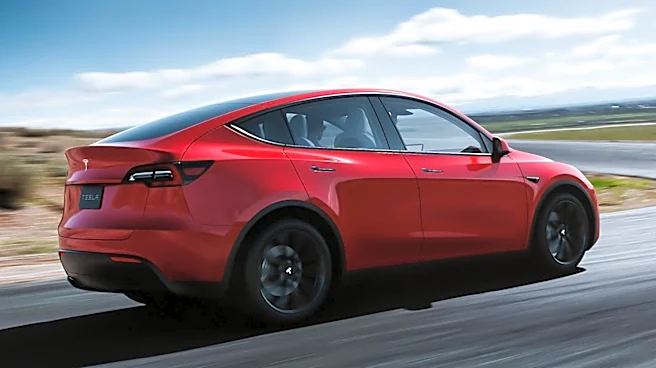
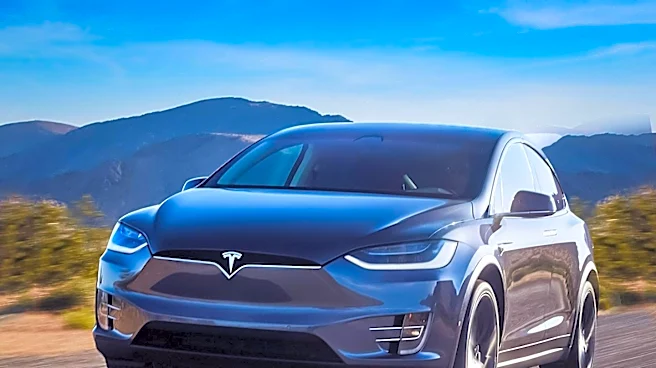
Tesla plans to integrate Starlink satellite internet as an option across all its vehicle models by late 2027, extending the feature beyond the Cybercab. This announcement was made by Elon Musk on X in response to former PayPal president David Marcus,
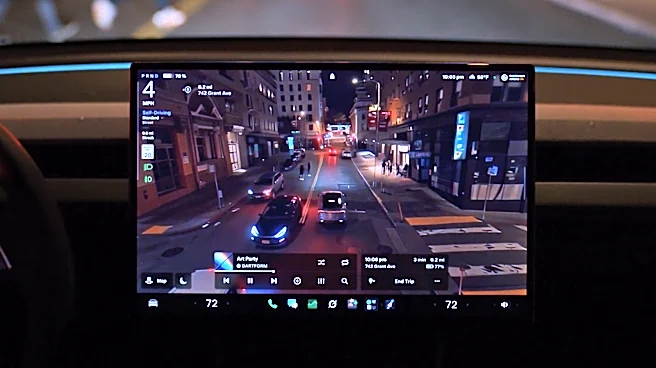
who expressed interest in an embedded Starlink option. Musk linked this feature to unsupervised Full Self-Driving (FSD) capabilities, emphasizing the need for high-bandwidth internet for passengers to work or consume content while the car operates autonomously. The Cybercab is currently the first Tesla vehicle to feature built-in Starlink, with a V5 terminal integrated into its rear liftgate alongside GPS and 5G LTE antennas. Tesla VP of AI Software Ashok Elluswamy clarified that the satellite link primarily serves navigation, customer service, and fleet management, and is not essential for the car's safe operation. Musk has previously indicated a broader rollout, stating in July 2026 that Starlink would be integrated into all Tesla vehicles where the service is available, and later in August, that all cars would eventually have Starlink, deeming it the sole method for delivering high bandwidth to billions of vehicles.
Why It's Important?
This initiative signifies Tesla's strategic move to enhance connectivity and user experience within its vehicle ecosystem, particularly as it advances towards fully autonomous driving. By providing ubiquitous high-bandwidth internet, Tesla aims to transform the in-car experience, enabling passengers to utilize their travel time for work or entertainment, which could be a significant differentiator in the automotive market. The integration of Starlink could also address connectivity gaps in remote areas where cellular networks are unreliable, offering a more consistent online experience for Tesla owners. This development could further solidify Tesla's position as a technology innovator in the automotive industry, potentially influencing other manufacturers to explore similar satellite-based connectivity solutions. For consumers, it promises a more integrated and seamless digital experience within their vehicles, potentially increasing the appeal of Tesla models, especially for those who prioritize constant connectivity and advanced in-car features.
What's Next?
The rollout of built-in Starlink across all Tesla models is anticipated by late 2027. This timeline suggests that Tesla will be working on integrating the Starlink V5 dish, which is rated for download speeds of up to 375 Mbps, into various vehicle designs. While cellular networks already handle streaming in most urban areas, Starlink's primary advantage will be maintaining connectivity in remote locations and serving as a backup when cellular signals drop. The company will likely focus on optimizing the integration for different models and ensuring seamless operation with existing vehicle systems. Furthermore, as unsupervised FSD technology progresses, the demand for reliable, high-bandwidth internet within vehicles will become more critical, making the Starlink integration a key component of Tesla's future mobility vision. Potential reactions from competitors might include accelerated efforts to develop or partner on similar advanced connectivity solutions for their own autonomous vehicle programs.
Beyond the Headlines
The integration of Starlink into Tesla vehicles represents a broader trend towards the convergence of automotive and space technology, blurring the lines between traditional industries. This move could have significant implications for the future of in-car entertainment, productivity, and even emergency services, as vehicles become more self-sufficient in their connectivity. Ethically, the widespread deployment of such technology raises questions about data privacy, security, and the potential for increased digital dependency while driving. Legally, it could necessitate new regulations concerning in-vehicle internet usage, especially in the context of autonomous driving where passenger attention might shift away from the road. Culturally, it could redefine expectations for travel, transforming cars from mere transportation devices into mobile, connected hubs, fundamentally altering how people perceive and utilize their time on the road. This development also highlights the growing influence of Elon Musk's interconnected ventures, where advancements in one company (SpaceX's Starlink) directly benefit another (Tesla).