









What's Happening?
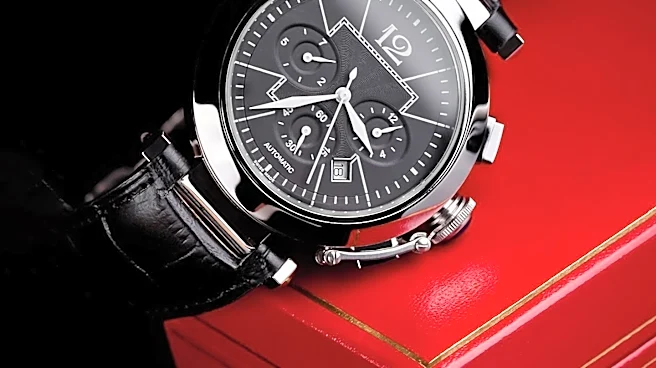
Insurance claims for lost and stolen luxury watches have surged in Asia, with a reported 21% increase over the past three years, according to a survey by The Watch Register. This rise outpaces the global average increase of 17%. The survey, which included
100 insurance loss adjusters and claims managers from Asia, the US, Europe, and the Middle East, highlighted that 67% of respondents observed a 10% to 25% rise in claims, while 9% reported increases between 25% and 50%. In the United States, the average increase was noted at 15%. The survey also revealed that 77% of insurers have encountered more defective title claims from jewellers who unknowingly purchased stolen watches. Consequently, 83% of insurers now require policyholders to verify against a stolen watch database before claims are processed.
Why It's Important?
The increase in luxury watch theft and subsequent insurance claims highlights a growing concern for both insurers and consumers in the luxury goods market. This trend could lead to higher insurance premiums and stricter claim verification processes, impacting both the affordability and accessibility of insurance for luxury items. For the luxury watch industry, this rise in thefts could affect consumer confidence and sales, as potential buyers may become wary of purchasing high-value items. Additionally, the need for more robust security measures and verification processes could drive innovation in anti-theft technologies and tracking systems, potentially reshaping the market dynamics for luxury goods.
What's Next?
Insurers anticipate a continued rise in claims, forecasting an average 24% increase over the next three years. This expectation may prompt insurers to further tighten their claim verification processes and collaborate more closely with databases like The Watch Register to prevent fraudulent claims. The luxury watch industry might also see increased investment in security technologies and partnerships with insurers to mitigate risks. Consumers could face higher insurance costs and more stringent purchasing processes, potentially influencing their buying decisions and preferences.