






What's Happening?
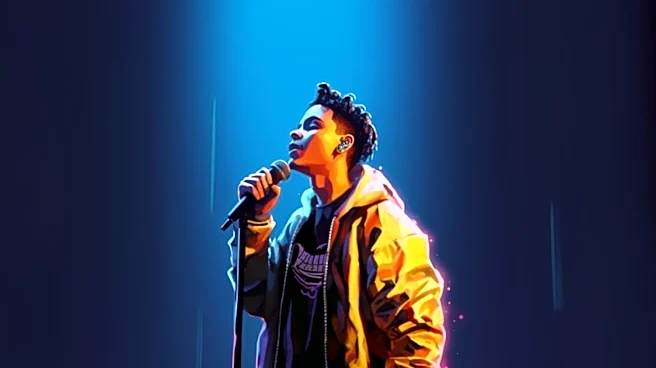
Lee Seung-yoon, an artist known as Lee Min, has transitioned from an indie musician to a celebrated figure in the music industry. His breakthrough occurred in 2021 when he won the top prize on JTBC’s “Sing Again” season 1. Prior to this, Lee spent a decade
performing in underground clubs, busking, and recording music independently. Since his victory, he has released multiple full-length studio albums, including “Even If Things Fall Apart” in 2021 and “Yeok Seong” in 2024. His album “Yeok Seong” garnered significant acclaim, earning him multiple awards at the Korean Music Awards, including Musician of the Year, Best Rock Song for “Anthem of Defiance,” and Best Modern Rock Song for “Waterfall.” Lee has also performed numerous solo concerts, with one lasting 400 minutes, and has headlined various music festivals, such as the Incheon Pentaport Festival. His latest album, “Album 0,” released in June, is described by Lee as completing a circle in his musical journey, providing greater meaning to his previous three albums. He plans to continue performing “Album 0” at festivals throughout the year, including his first performance in Indonesia at LaLaLa Festival.
Why It's Important?
Lee Seung-yoon's journey highlights the significant impact that televised talent competitions can have on the careers of independent artists, providing a platform for musicians who might otherwise remain in obscurity. His success demonstrates how such shows can catapult artists into mainstream recognition, leading to album releases, extensive touring, and critical acclaim. The widespread appeal of “Sing Again” during the COVID-19 lockdown also underscores the public's appetite for discovering new talent and the power of media to shape cultural trends. Lee's ability to secure multiple awards at the Korean Music Awards for his album “Yeok Seong” signifies his artistic merit and the industry's recognition of his contributions. His continued presence at major music festivals, including international ones like LaLaLa Festival, indicates a growing global reach for his music, potentially expanding the audience for Korean indie and rock music beyond its traditional boundaries. This trajectory can inspire other independent artists, showcasing a viable path to success through a combination of talent, perseverance, and strategic exposure.
What's Next?
Lee Seung-yoon plans to continue performing his latest album, “Album 0,” at various festivals for the remainder of the year. This includes his upcoming performance at the LaLaLa Festival in Jakarta, marking his debut in Indonesia. These festival appearances will allow him to connect with a broader audience and further solidify his presence in the music scene. His focus on live performances suggests a continued emphasis on engaging with fans directly and bringing his music to life in a communal setting. The release of “Album 0” as a conceptual culmination of his earlier works indicates a thoughtful approach to his discography, and future projects may build upon this artistic framework. Given his recent awards and critical acclaim, Lee is likely to maintain a prominent position in the Korean music industry, with potential for further international collaborations or tours as his global recognition grows. His continued participation in festivals will also contribute to the evolving landscape of live music events, particularly in the post-pandemic era.
Beyond the Headlines
Lee Seung-yoon's narrative extends beyond individual success, offering insights into the evolving dynamics of the music industry. His story challenges the traditional gatekeeping mechanisms of music labels by demonstrating how a talent show can democratize access to fame for independent artists. The public's strong response to “Sing Again” during the pandemic also reflects a broader societal need for connection and entertainment during times of isolation, highlighting the role of music as a cultural balm. Furthermore, Lee's emphasis on festivals as a way to make his songs “come alive” speaks to the intrinsic value of live performance and the unique interaction between artist and audience that cannot be replicated through recordings alone. His international performances, such as the one in Indonesia, contribute to the global exchange of cultural products, fostering cross-cultural appreciation for diverse musical genres. This expansion of Korean music beyond K-pop into other genres like rock and indie signifies a maturing and diversifying global interest in the country's artistic output, potentially paving the way for more varied Korean artists to gain international traction.