




What's Happening?
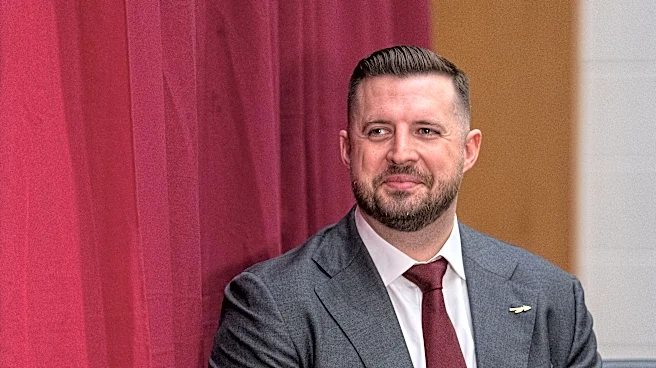
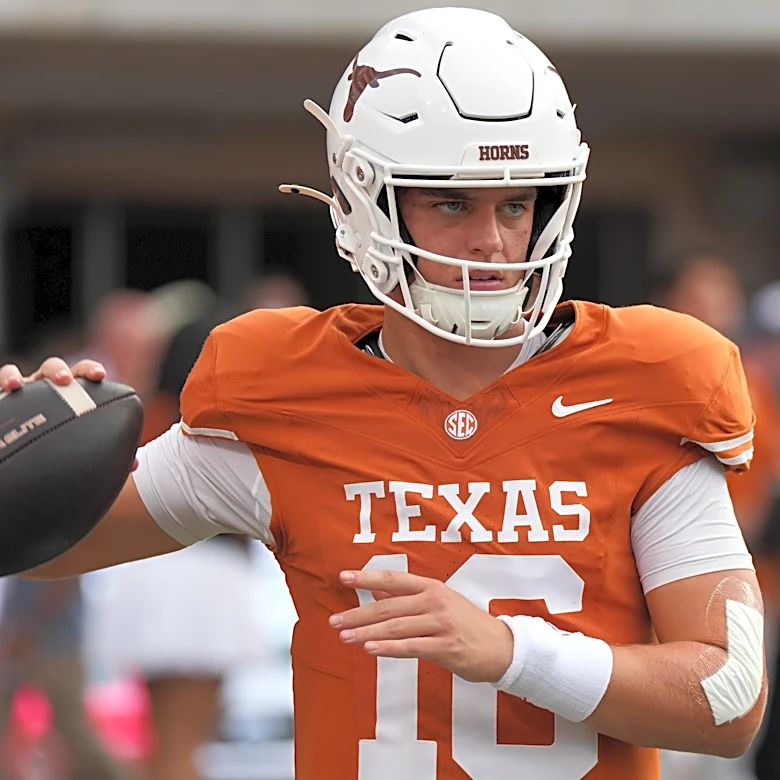
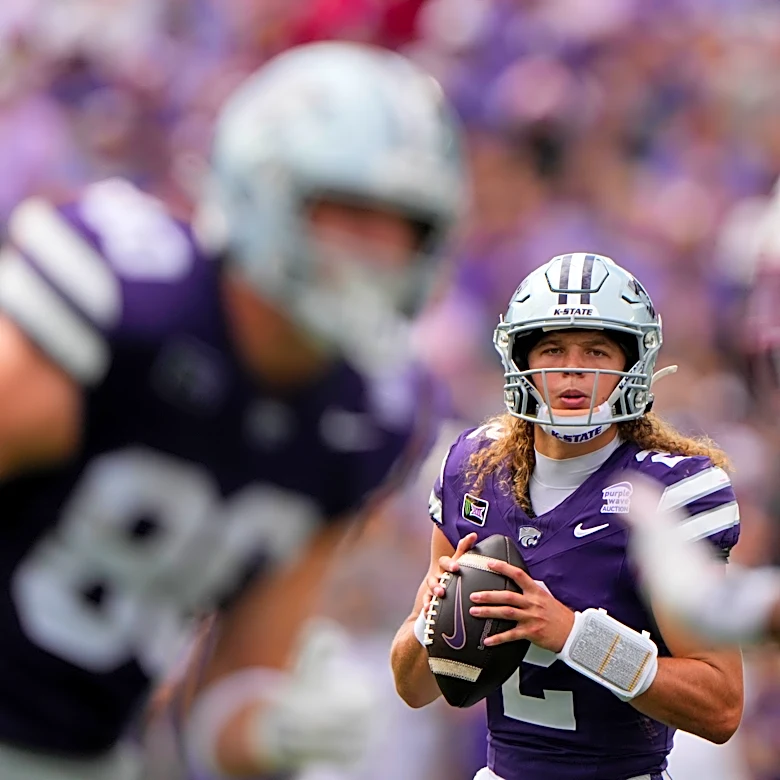
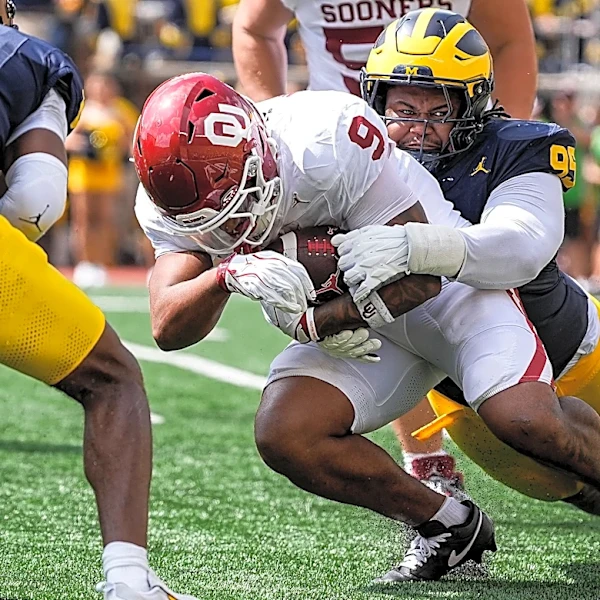
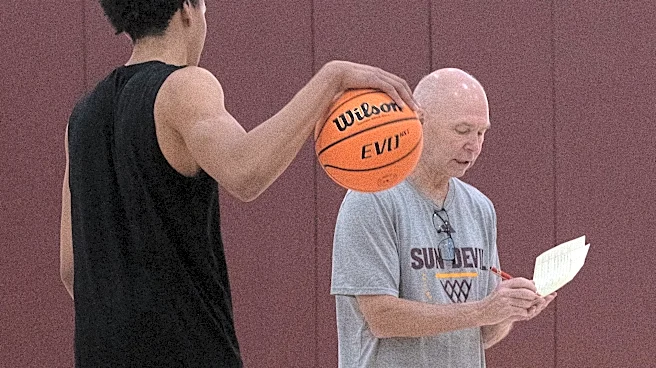
Attorney Michael Elkins, founder of MLE Law Firm, has voiced strong criticism against the proposed Protect College Sports Act (PCSA), arguing that it would negatively impact NCAA athletes. Speaking on "The C.L. Brown Show," Elkins characterized the PCSA as a one-sided
piece of legislation designed to bail out the NCAA from issues it created. He contends that if passed, the act would "wind the clock back" on athletes' rights, severely restricting their ability to earn income in a free marketplace. Elkins highlighted that despite college athletes being the most affected by this bill, they have had minimal input in its formulation. He also noted that ESPN's College GameDay has repeatedly failed to represent diverse viewpoints on the PCSA in its broadcasts.
Why It's Important?
The Protect College Sports Act, as described by Elkins, represents a critical juncture for the future of college athletics and the rights of student-athletes in the U.S. If the bill passes, it could significantly alter the economic landscape for NCAA athletes, potentially reversing recent gains in name, image, and likeness (NIL) rights. This would have profound implications for individual athletes' financial autonomy and their ability to capitalize on their athletic prowess. For universities and the NCAA, the legislation could either stabilize a turbulent environment or exacerbate tensions with athletes and their advocates. The debate also underscores the ongoing power struggle between collegiate sports institutions and the athletes who generate substantial revenue for them, with potential long-term effects on recruitment, athlete welfare, and the overall structure of college sports.
What's Next?
Michael Elkins believes the Protect College Sports Act will likely be defeated in the U.S. House of Representatives. Should the bill fail, Elkins anticipates that colleges will become more assertive in enforcing their contracts with athletes. This outcome could lead to increased legal challenges and negotiations between athletes, their representatives, and universities regarding contractual obligations and earning opportunities. The ongoing discussion surrounding the PCSA will continue to shape legislative efforts and advocacy for college athletes' rights. The lack of athlete input in the bill's drafting, as pointed out by Elkins, suggests that future legislative attempts may face pressure to include more diverse stakeholder perspectives to ensure equitable outcomes for student-athletes.
Beyond the Headlines
The controversy surrounding the Protect College Sports Act extends beyond immediate financial implications, touching on fundamental questions of labor rights and economic justice within amateur sports. Elkins's assertion that the bill would "wind the clock back" highlights a tension between the traditional amateur model of college sports and the modern reality of a multi-billion dollar industry. This debate forces a re-evaluation of what constitutes fair compensation and representation for athletes who are both students and significant contributors to a commercial enterprise. The lack of athlete voice in shaping such critical legislation also raises ethical concerns about governance and decision-making processes in organizations like the NCAA, potentially leading to broader calls for structural reform and greater athlete empowerment in collegiate sports.