


What's Happening?
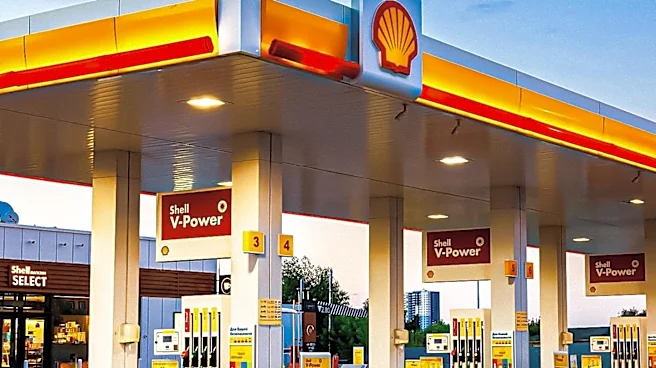
Shell plc announced on November 23, 2026, that it has purchased a significant number of its own shares for cancellation. This action is part of an existing share buy-back program that was initially announced on October 29, 2026. The purchases were executed
across various trading venues, including the London Stock Exchange (LSE), Chi-X (CXE), BATS (BXE), XAMS, CBOE DXE, and TQEX. The volume-weighted average prices paid per share ranged from approximately £35.69 in GBP markets to €42.79 in EUR markets. The total number of shares purchased on this date exceeded 2.1 million. BNP Paribas and Natixis are managing the trading decisions for the on-market and off-market limbs of the buy-back program, respectively, operating independently of Shell plc within pre-set parameters. This program is being conducted in compliance with Chapter 9 of the UK Listing Rules and Article 5 of the Market Abuse Regulation (EU MAR and UK MAR).
Why It's Important?
Share buy-back programs are a common corporate finance strategy that can significantly impact a company's stock valuation and shareholder returns. By reducing the number of outstanding shares, Shell plc aims to increase its earnings per share (EPS) and potentially boost its stock price, benefiting existing shareholders. This move signals the company's confidence in its financial health and its commitment to returning capital to investors. For the broader market, such large-scale buy-backs by a major energy company like Shell can influence investor sentiment and potentially set a precedent for other companies with strong cash flows. The involvement of independent financial institutions like BNP Paribas and Natixis in executing the buy-back ensures compliance with market regulations and aims to prevent market manipulation, maintaining transparency and fairness in the trading process. This strategy can also be seen as an alternative to dividend payments, offering a different mechanism for capital distribution.
What's Next?
The share buy-back program is scheduled to continue until January 29, 2027. During this period, BNP Paribas and Natixis will continue to make trading decisions on behalf of Shell plc, adhering to the pre-set parameters and regulatory frameworks. Shell plc will likely continue to announce further share purchases as they occur, providing updates on the progress of the buy-back program. Investors and market analysts will closely monitor these announcements to assess the program's impact on the company's financial metrics, including its EPS and overall market capitalization. The success of this buy-back could influence future capital allocation decisions by Shell plc and potentially encourage similar actions from other companies in the energy sector, especially if market conditions remain favorable for such initiatives. The ongoing execution of the program will also be subject to continuous regulatory oversight under EU MAR and UK MAR.
Beyond the Headlines
The decision by Shell plc to engage in a substantial share buy-back program reflects a broader trend among large corporations to optimize their capital structure and enhance shareholder value. Beyond the immediate financial implications, such programs can signal a company's long-term strategic outlook, particularly in industries undergoing significant transitions, like the energy sector. While buy-backs can be beneficial for shareholders, they also raise questions about the allocation of capital—whether it could be better utilized for investments in research and development, renewable energy projects, or other growth initiatives. The regulatory compliance aspects, particularly adherence to EU MAR and UK MAR, highlight the increasing scrutiny and complexity involved in corporate financial maneuvers in a globalized market. This ongoing buy-back program by Shell plc could serve as a case study for how major international companies navigate capital management strategies while balancing shareholder interests with broader corporate responsibilities and regulatory demands.